Follow Us on Google
By Bianca Iboma-Emefu
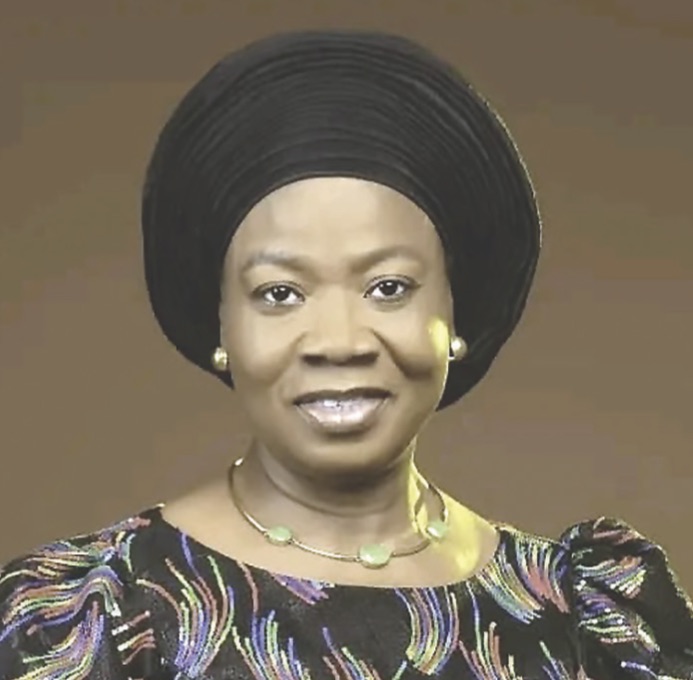
Mrs. Edith Mpamaugo is a clergy woman who, alongside her husband,
Rev. Isaac established Life Support Foundation.29 years ago while they were serving at the Assemblies of God Church District in Ojodu- Berger, Lagos. . In 1996, having witnessed the challenges faced by widows in their community and beyond, she founded the Life Support Foundation in response to the widows’ plight, aiming to provide them with medical support, financial empowerment, and social recognition.
She was motivated by her desire to help these indigent women while ensuring that they do not suffer in silence or isolation.
She spoke to Daily Sun recently, in Lagos, about the role of the church and society in alleviating the burden of widows in the society..
Several cultural practices negatively affect widows. How can they be addressed?
In many societies, harmful cultural practices continue to undermine widows’ dignity. These include widows’ inheritance, where a widow is forced to marry a relative of her deceased husband, and degrading ritual mourning that isolate or humiliate widows. Another common practice is the denial of properties and inheritance rights, leaving widows and their children impoverished and homeless.
Addressing these practices requires a multi-pronged approach. Legal reforms must be enacted and enforced to protect widows’ rights. Community education campaigns are essential to challenge harmful norms and promote gender equality. Empowering widows through education and economic independence also strengthens their ability to resist exploitation. Engaging traditional and religious leaders is particularly effective in reshaping cultural attitudes and promoting dignity.
What role should the church and society play in the wellbeing of widows?
In societies where widows are stigmatized, they may be ostracized, denied social support, or subjected to discriminatory practices. This societal attitude can lead to feelings of shame, loneliness, and helplessness. Conversely, communities that embrace widows, recognize their value, and provide social support, fostering resilience and while doing everything to promote their wellbeing.
The church has lot to do in this regard. They should provide support groups and counseling initiatives that would help widows to process grief and rebuild their sense of purpose.
As a matter of fact, addressing widows’ welfare requires collective action not only for their material needs but also towards their emotional healing, legal protection, and social reintegration. Collective action also amplifies advocacy efforts making it easy to challenge harmful cultural norms and influence policy reforms that protect widows.
Widows who were once marginalized should be integrated into community activities through organized outreach programs and public awareness campaigns.
How does the lack of financial support affect widows’ lives?
Financial support is crucial for widows to rebuild their lives. Without it, widows often struggle to provide for their children’s education and healthcare needs. They cannot maintain their homes or afford basic living standards or even start or sustain small businesses for income generation. And from this state of lack, they can no longer access necessary medical services which become a huge problem that may even lead to death.
The absence of financial empowerment can trap widows in a cycle of poverty, increasing their dependence on others and limiting their social mobility. Initiatives like cash transfers and microfinance programs can help widows regain independence and dignity.
Widows grapple with grief, trauma, anxiety and depression. Without adequate emotional support, these mental health challenges can become long-term obstacles to recovery and self-sufficiency.
Since its inception in 1996, the annual Christmas outreach organized every year by The Life Support Foundation has become an enduring symbol of hope for widows and vulnerable women in Ojodu-Berger. Every year, during the festive season, the community of Ojodu-Berger witnesses a remarkable display of compassion, unity, and hope
The initiative has grown over nearly three decades into a movement of compassion and empowerment. We even, plan to celebrate our 30 years this year by God’s grace.
Majorly, widows face a multitude of challenges that impact their physical, emotional, social, and economic wellbeing.
What are some of the main challenges faced by widows in society today?
Naturally, the loss of a spouse is deeply traumatic. Widows may experience prolonged grief, depression, anxiety, loneliness, and emotional distress. Without adequate emotional support systems, counseling, or community acceptance, these mental health challenges can persist and affect their daily functioning and if adequate care is not provided, it may lead to death. Widows are sometimes excluded from social, religious, and community activities due to stigma or cultural beliefs. This isolation reduces their support networks and limits opportunities for personal growth, remarriage, or participation in decision-making processes.
They may face poor access to healthcare due to financial constraints. Stress, grief, and poverty can contribute to declining physical health, while mental health needs often go unaddressed.
Overall, the challenges faced by widows are complex and multifaceted, requiring coordinated efforts through legal protection, economic empowerment, psychosocial support, community sensitization, and sustained advocacy to restore dignity, security, and hope to their lives.
Caring for widows, unarguably one of the most indigent groups in our society is not a walk in the park. Can you tell us why you got involved?
My work is rooted in understanding the widows plight, based on experiences and spiritual calling. Widows face profound emotional, financial, and social challenges—things that can be overwhelming without proper support.
My approach involves more than just offering words of comfort; I engage in prayer with them, listen attentively to their stories, and provide both spiritual guidance and practical support.
Many women who have lost their husbands grapple with loneliness, a loss of identity, and financial hardship. Through the church, I have seen how they find hope, purpose, and a renewed sense of worth. It’s a journey of healing rooted in love, compassion, and faith, and I am grateful to be part of that process
Why do you it is essential for the church to focus on empowering this group of women?
Empowering widows aligns with our biblical calling and the heart of God’s compassion. Scripture, especially James 1:27, emphasizes caring for widows and orphans—those most vulnerable in society. When the church invests in widows—through skills development, emotional support, and leadership opportunities—it embodies Christ’s love in action. Empowerment restores dignity, affirms their worth, and helps them rebuild their lives with hope and purpose.
Furthermore, widows often carry wisdom and resilience from their experiences. When they are empowered, they can contribute meaningfully to the church and society. It also helps in breaking social stigmas and fostering inclusiveness within the community. The church becomes a reflection of Christ’s love—welcoming, caring, and empowering all members, regardless of their circumstances.
How does empowering widows strengthen the church community?
Widows are reservoirs of wisdom, resilience, and faith. When empowered, they bring their insights and leadership into the church’s life, enriching our collective mission. Their stories of perseverance inspire others, and their active participation fosters a culture of compassion and inclusion.
Beyond that, empowering widows helps break down stigmas associated with widowhood. It creates a more accepting and healing community where everyone feels valued. A church that invests in widows manifests Christ’s love more fully—embracing every member, regardless of their past hardships—and becomes a vibrant, supportive family where everyone has a purpose.
How has your foundation’s work impacted on widows’ lives in the society?
Life Support Foundation has been able to play a transformative role in widows’ lives in the community through partnership.
Over the years, we have ensured that widows who have identified with our organization, have access to healthcare services and helped them recover physically and manage their health conditions. We have also offered them cash grants, microfinance, and vocational training skills that enables widows to start or expand businesses, fostering economic independence.
We are dedicated to social welfare, humanitarian service, and community development, with a strong focus on supporting vulnerable persons particularly widows. Since its inception in 1996, the foundation has consistently worked to restore dignity, provide relief, and empowered individuals facing social and economic hardship. Through our outreach initiative, we distributed food and financial empowerment. The foundation addresses both immediate needs and long-term sustainability for its beneficiaries.
Recently, you had an Outreach in in a part of Lagos, Ojodu-Berger precisely. What was the focus?
The recent Christmas outreach held at the Assemblies of God Church, Ojodu Berger, Lagos, focused on bringing hope, relief, and empowerment to over 1,500 widows. The event combined free medical services, food distribution, and cash donations, ensuring that beneficiaries received holistic support.
But beyond material assistance, the outreach aimed to foster a sense of belonging, dignity, and emotional encouragement, particularly for them to have a treat during the festive season. It was also aimed at helping to defrag them from loneliness and neglect.
What does your empowerment initiative look like in practical terms?
Empowerment isn’t just about charity; it’s about enabling women to stand on their own feet. Practically, it involves providing vocational training—like tailoring, baking, hairdressing, or financial literacy—that equips widows with skills for self-sufficiency. It also includes creating safe spaces for emotional healing, offering spiritual mentorship, and encouraging widows to participate actively in church ministries.
Additionally, recognizing and nurturing their gifts—whether in teaching, singing, counseling, or leadership—is vital. Empowerment shifts the narrative from widows as mere recipients of aid to recognizing them as vital contributors and leaders. It’s about fostering an environment where they can serve and inspire others, creating a ripple effect of hope and resilience.
What role do you think government can play in supporting widows?
NGOs and community organizations are often at the forefront of widows’ welfare initiatives. They can provide direct humanitarian assistance, which includes food, clothing, healthcare support, and financial aid during crises.
Beyond immediate relief, these organizations focus on a long term empowerment through skills training, micro-enterprise support, and mentorship.
How can government and policy makers support widows?
Governments have a pivotal role in institutionalizing widows’ welfare. They can strengthen legal protections by enforcing inheritance and property laws and ensuring access to justice. Social Safety Net, such as pensions, cash transfers, and health insurance schemes, provide essential financial stability.
Policymakers should also promote skills and development and educational programs tailored to widows, enabling economic independence. Affordable healthcare access is equally critical, particularly for widows dealing with chronic health conditions. Public awareness campaigns can further reduce stigma and encourage community support. When widows’ welfare is embedded in national social protection frameworks, impact becomes both wide-reaching and sustainable.
What psychological support systems essential for widows your organisation provides for them?
We create spaces for shared experiences, fostering mutual encouragement and resilience.The widows are encouraged to involve in social participation, while focus on self-esteem, coping strategies, and life skills. Together, these support systems help them rebuild confidence and envision a future beyond loss.
What role can churches and religious organisations play in supporting widows?
Churches and religious institutions are uniquely positioned to support widows due to their moral authority and community reach. They provide spiritual and emotional counseling. It will help them find hope and strength. Through Social event religious organizations foster belonging and recognition.
They also advocate for widows’ rights, offer material assistance during emergencies, and mobilize volunteers and resources. In many communities, faith-based support serves as a lifeline where formal welfare systems fall short.
Individual can also provide support for widows by showing compassion, respect, and inclusion which helps to combat stigma surrounding widowhood. Volunteering time, donating resources, or supporting local initiatives strengthens welfare programs. Speaking out against discriminatory practices and offering mentorship or companionship also plays a vital role in rebuilding widows’ confidence and social connections.
.