Follow Us on Google

Panic gripped the nation in 2014 after Patrick Sawyer, a Liberian-American, arrived in Lagos carrying the deadly Ebola virus. By the time the outbreak was contained, eight people, including Sawyer, had died. Among them was the heroic Dr. Stella Adadevoh, whose courage and professionalism prevented what could have become one of the worst public health disasters in Nigeria’s history.
The country escaped a catastrophe then through swift action, effective contact tracing and the sacrifice of dedicated health workers. Today, with a fresh Ebola threat looming over Africa, Nigeria cannot afford another Ebola scare. The country must act fast. It must once again demonstrate the same urgency and preparedness exhibited some years ago.
The warning by the Nigeria Centre for Disease Control and Prevention (NCDC) regarding the possible importation of the Bundibugyo strain of the Ebola Virus Disease (EVD) should not be dismissed as routine public health caution. It is a serious alert that demands immediate attention from federal and state authorities, healthcare institutions and the public.
Although no Ebola case has been confirmed in Nigeria, the risk is real and growing. The ongoing outbreak in parts of East and Central Africa, particularly in the DR Congo and Uganda, has raised concern among international health agencies. Over 1,000 suspected cases and hundreds of deaths have been reported. Increased regional travel, commercial activities, migration and Nigeria’s porous borders make the possibility of an imported case a matter of concern.
The Bundibugyo strain remains one of the least understood Ebola variants. Unlike the Zaire strain, for which vaccines and treatments have shown effectiveness, there is currently no approved vaccine specifically designed for the Bundibugyo strain. This means that prevention, surveillance and rapid response remain the most effective weapons against the disease.
The federal government must therefore move beyond statements and activate a nationwide preparedness strategy. The 10 states, including Lagos, identified by the NCDC as high-risk should immediately strengthen screening, surveillance and emergency response systems. Every state in the federation should regard itself as vulnerable. Infectious diseases do not respect geographical boundaries or political jurisdictions.
Nigeria’s airports, seaports and land borders require heightened vigilance. Health authorities should intensify monitoring of travellers arriving from affected regions. Isolation centres, laboratory facilities and emergency operations centres should be reviewed and upgraded where necessary. Rapid response teams should be placed on standby.
Healthcare workers must be adequately trained, equipped and protected. The painful lessons of 2014 showed the dangers faced by frontline health personnel. No doctor, nurse or laboratory worker should be exposed to unnecessary risks due to inadequate equipment or poor preparedness. One of the greatest challenges associated with Ebola is the similarity of its early symptoms to those of malaria, typhoid fever, Lassa fever and other common illnesses. This increases the risk of delayed diagnosis and accidental transmission.
Other News
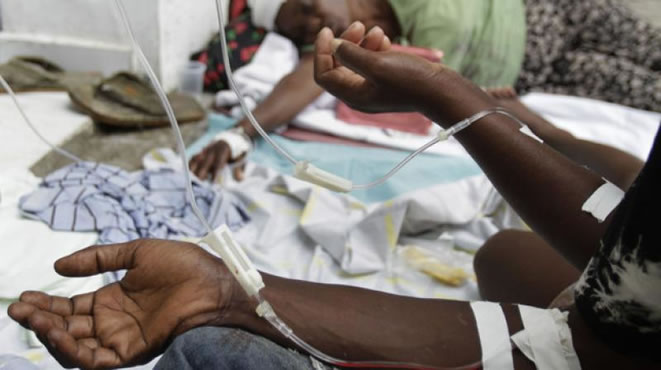
The symptoms of Ebola include sudden fever, intense weakness, severe headache, muscle and joint pains, sore throat, vomiting, diarrhoea, stomach pain and skin rashes. As the disease progresses, patients may experience impaired kidney and liver function as well as internal and external bleeding. The virus has a high fatality rate and can spread rapidly when not detected early.
Public awareness is therefore crucial. Nigerians must understand that Ebola spreads through direct contact with the blood, body fluids or tissues of infected persons and contaminated surfaces. Contact with infected animals can also transmit the virus.
The public should strictly observe basic hygiene and non-pharmaceutical preventive measures. Frequent hand washing with soap and clean water must become a routine practice. Alcohol-based hand sanitisers should be used where available. People should avoid physical contact with anyone exhibiting suspicious symptoms and report suspected cases promptly to health authorities. Communities must cooperate with health officials during contact tracing and outbreak investigations.
Equally important is the need to discourage unsafe burial practices and other cultural behaviours that could facilitate transmission. Experience across Africa has shown that funerals involving direct contact with infected bodies can become major sources of community spread.
Yet perhaps the most important defence against Ebola is information. Public education must be intensified across the country. Government agencies, traditional institutions, religious leaders, schools, professional bodies and the media should collaborate to ensure accurate information reaches every community. Fear and rumours can be almost as dangerous as the virus itself.
The NCDC deserves commendation for raising the alarm early. However, what Nigeria needs now is decisive action, adequate funding and sustained public engagement. Disease surveillance systems must be strengthened. Border communities must receive special attention. Health facilities should conduct simulation exercises and emergency drills to test their preparedness.
Nigeria’s successful containment of the disease in 2014 earned global recognition. But past success offers no guarantee against future outbreaks. Complacency is the greatest danger. Ebola remains one of the world’s deadliest diseases. Nigeria has received an early warning. It must act fast before the threat at its borders becomes a tragedy within its communities.