Follow Us on Google
• Abuja residents lament losses of three-week water crisis
From Charity Nwakaudu, Abuja
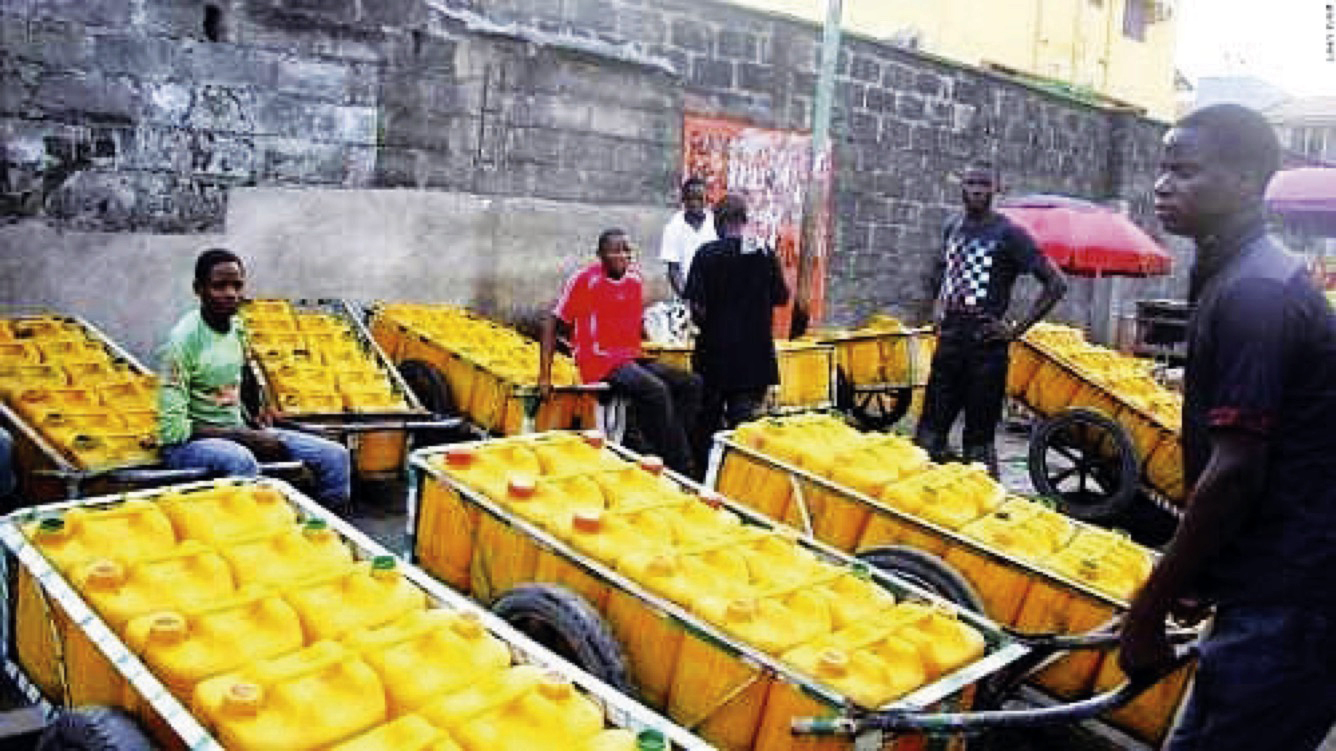
For nearly three weeks now, the sound of running water has disappeared from homes in the Federal Capital Territory (FCT), Abuja. In its place are the rumble of water tankers, the cries of ‘Mai Ruwa’ water vendors hawking water in jerry cans and long queues of desperate residents willing to pay almost any price for the basic necessity.
From the affluent streets of Maitama to the bustling neighbourhoods of Wuse I, Wuse II, Wuse III and Wuye, a prolonged disruption in public water supply has forced thousands of households and businesses into an expensive daily scramble for water.
For commercial water vendors, the crisis has translated into booming patronage. For residents, however, it has become a test of endurance, stretching household budgets, disrupting businesses and raising fears of an impending public health emergency.
“We have not had water from our taps for almost three weeks,” lamented Mrs. Florence Aka, a resident of Wuse Zone 2. “Every day, we buy water from vendors and the cost keeps increasing. Water is a basic necessity. We are begging the authorities to restore supply because we need water urgently.”
In the affected districts, families say ordinary routines such as cooking, bathing, washing clothes and flushing toilets have become carefully rationed activities. Many households now reserve purchased water strictly for drinking and cooking while relying on collected rainwater for washing. Others have resorted to recycling water to make every litre last longer.
Mr. Bola Yemi, who lives in Wuse Zone 6, warned that the prolonged shortage could have dangerous health consequences, if authorities fail to act quickly: “Families are rationing water meant for cooking, bathing and sanitation. If nothing is done, people may begin to fall sick. Government should act before diseases break out.”
The hardship is particularly evident in homes with children, where parents are adopting extraordinary measures to conserve the little water they can afford. Joy Audu, a mother of three, said: “Things are no longer the way they used to be. No amount of water we buy is enough to meet the needs of my family.”
Agnes Ibe, resident of Wuse II: “The situation is no longer easy. We can no longer afford to buy water for drinking and enough for bathing. Every day is a struggle, and the cost keeps increasing.”
The shortage has also altered daily routines for working families. Franklin Ade, a civil servant in Wuse Zone 5, said: “My children now leave home very early to fetch water. The money we’re spending on water every week was never part of our budget. We now harvest rainwater for washing while the little clean water we buy is reserved for drinking and cooking.”
Residents say the uncertainty is almost as frustrating as the scarcity itself. Without knowing when water vendors will arrive, many spend hours waiting with empty containers.
Chidinma Ani, a trader in Wuse Zone 3, narrated her daily ordeal: “We’ve not had water from the public taps for almost three weeks. Every day, we buy water for cooking, bathing and other household chores. Sometimes, we wait for hours because we don’t know when vendors will arrive. We even reuse water just to make the little we buy last longer.”
Health concerns are also mounting. Madam Peace Ojonma warned that many households can no longer conveniently use their toilets because of insufficient water, cautioning that the prolonged scarcity could encourage open defecation and increase the risk of disease outbreaks, if the situation persists.
The crisis is equally taking its toll on businesses that depend heavily on water. Restaurants, salons and other service providers say their operating costs have surged as they purchase water daily from private suppliers.
Mrs. Joyce Godwin, operates a restaurant in Wuse Zone 2: “Running a restaurant without water is almost impossible. We spend more money buying water every day, and the cost keeps increasing. It’s affecting our business seriously.”
As frustrations grow, residents are appealing to the Minister of the FCT, Federal Capital Territory Administration (FCTA) and Federal Capital Development Authority (FCDA) to urgently restore normal water supply.
“Wuse is one of Abuja’s major districts. Residents should not be made to suffer this way. We hope the authorities will hear our cry and restore water supply without further delay,” pleaded Mrs. Mary Nwafor of Wuse II.
Meanwhile, officials of the FCT Water Board, who spoke on the condition of anonymity because they were not authorised to comment publicly, attributed the disruption to a damaged trunk water pipeline. They claimed repair work was ongoing, and expressed optimism that supply would be restored “once the damaged infrastructure is fixed.”