Follow Us on Google
•Autism is neurological condition, not spiritual –Experts
By Doris Obinna
World Autism Awareness Day is an internationally recognised day to encourage member states of the United Nations (UN) to take measures to raise global awareness of autism, promote the acceptance, appreciation and inclusion of autistic individuals and recognise such individuals’ local and global contributions.
Autism Spectrum Disorder (ASD) is a neurodevelopmental disorder that affects how a person thinks, communicates, interacts socially, and experiences the world. It’s called a “spectrum” because it includes a wide range of characteristics and levels of ability. Some people with autism need a lot of support in daily life, while others live independently.
However, around the globe, people with autism are making enormous contributions to societies, human endeavours, and individual lives. In his message to commemorate the World Autism Day on April 2, 2025, UN Secretary General, António Guterres, reflected on both the achievements of individuals with autism and the persistent challenges they face.
He highlighted issues such as isolation, stigma, denial of healthcare and education, and the disregard of their legal rights; especially during times of crisis.
Guterres emphasized that such discrimination violates the Convention on the Rights of Persons with Disabilities and contradicts the Sustainable Development Goals’ (SDGs) pledge to “leave no one behind.” He urged world leaders to take meaningful steps toward equality by implementing inclusive policies in education, healthcare, employment, and urban planning. “We need inclusive health and education systems, work environments, and urban design to ensure people with autism have equal opportunities to thrive.”
Marking this year’s Autism awareness, Guaranty Trust Holding Company Plc (GTCO), heralded its 15th edition of annual autism conference themed, “From Awareness to Action: 15 Years of Advancing Autism Inclusion.”
The flagship event, Orange Ribbon Initiative, commenced on Wednesday, July 16, 2025 at the Muson Centre, Onikan, Lagos. This will be followed by one-on-one clinic consultations to be held from July 17 to 19 at the Adeyemi Bero Auditorium, Alausa Secretariat, Ikeja.
The initiative will hold its second edition in Ghana from July 21 to 24 at the University of Professional Studies, Accra. Group CEO, Segun Agbaje, said: “What started as a simple but focused effort has grown to shape how we advocate, how we listen, and how we respond. This is the foundation upon which the Autism Programme is built; one that champion’s acceptance, encourages early intervention and advocates for a future where every child is given the opportunity to thrive.
“This 15th-year milestone is a reaffirmation of our commitment; a reminder that inclusion and acceptance is a responsibility, and that progress is measured not only by policies and programmes but by the everyday opportunities we create for every child and individual.
“It remains committed to advocacy, support, and empowerment of children and adults living with Autism. We have been building a space for dialogue, learning, and transformation; not just for the autism community, but for all of us working towards a more compassionate society.”
The GTCO Autism Programme offers a wide range of support, including annual conferences, free one-on-one consultations with both local and international autism specialists, panel discussions, and training sessions for caregivers, educators, and healthcare professionals.
Agbaje noted that thousands of individuals with ASD and their families have benefited from the initiative. “The knowledge shared through our conferences has become a tool for transformation for many.”
Communication and social challenges
According to experts, people living with ASD often face significant challenges with communication, social interaction, and sensory processing. They may struggle to understand verbal and nonverbal cues, maintain conversations, or navigate social norms, which can make forming relationships and functioning in typical social settings difficult.
Agbaje, while acknowledging the communication and social challenges faced by individuals with autism, highlighted their unique abilities. “We are motivated by these observations to assist with their challenges while fostering their creative talents and other aspirations.”
He expressed appreciation to the programme’s local and international partners, including Autism Compassion Africa (Ghana), Behaviorprise Consulting (Canada), The Colour of Autism Foundation (USA), and Nigeria’s Yaba and Aro Neuropsychiatric Hospitals. “The Orange Ribbon Initiative could not support persons on the autism spectrum and their families without the continuing collaborative efforts of many individuals and organisations,” he added.
“People with autism frequently face barriers in education, employment, and healthcare. Misunderstanding and stigma can lead to social exclusion, bullying, or a lack of appropriate support. Mental health issues such as anxiety and depression are also more common, often as a result of prolonged social difficulties or feeling misunderstood.”
Lifeline for families
Chief Communication Officer, GTCO, Oyinade Adegite: “We’ve gone from awareness to tangible action, reaching communities in Lagos, Abeokuta, and even Ghana.”
She revealed that GTCO is consolidating years of internal data to publish a comprehensive impact report. “Our data shows we’ve touched over 5,000 families. But beyond numbers, we’ve changed perceptions, challenging stigma and bringing children out of hiding.”
Dispelling myths
A Speech-Language Pathologist, Dr. Grace Bamgboye, said: “When I began this work, children with special needs were hidden away. People would ask, ‘How will you feed yourself as a therapist?’ But today, parents bring babies as young as 11 months.
“Autism is neurological, not spiritual. In Nigeria, grandparents are often key decision-makers. We must speak their language literally and culturally.” She pointed out persistent myths blaming autism on causes like snail consumption during pregnancy or spiritual attacks, urging a shift toward evidence-based support. According to her, there is no known cause for autism. “It’s time we stopped blaming parents or prescribing flogging as therapy. The focus now is action, not speculation,” she added.
Solape Azazi, recalled her personal journey that began with attending the conference eight years ago. “I walked into this space not knowing where to turn. I said, ‘My child has autism.’ That was the start of my healing and advocacy. Today, I support not just my son but many others,” she shared.
A behaviour analyst, Osezusi Bolodeoku, added that the 2025 edition of the conference will be highly practical and rooted in everyday realities. “Not everyone can afford to see a therapist. This year, we’re meeting parents where they are; right in their kitchens and living rooms. Early intervention changed my son’s life. He was delayed at 17-months-old. Today, you’d never guess.”
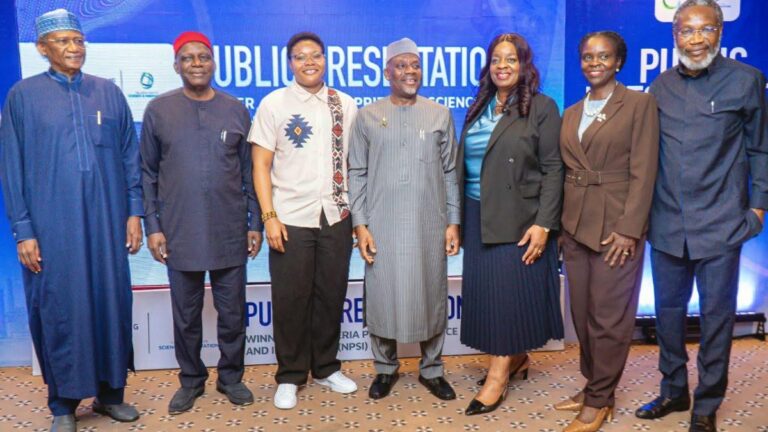
This year’s annual conference will bring together both local and international experts in autism care, including speech pathologists, behavioural analysts, clinical psychologists, psychiatrists, and advocates. Speakers included, founder of The Color of Autism Foundation (USA), Camille Proctor; board-certified behaviour analyst, Lanre Duyile; Professor of Psychiatrist, Mashudat Bello-Mojeed and Voice actor and autism advocate, Remi Olutimayin among others.