Follow Us on Google
• Fulani district heads dethroned, Nupe village chiefs take over
From John Adams, Minna
Not long ago, Governor Umaru Bago of Niger State ordered the immediate removal of all Fulani district heads (Ardos) and their replacement with indigenous Nupe village chiefs.
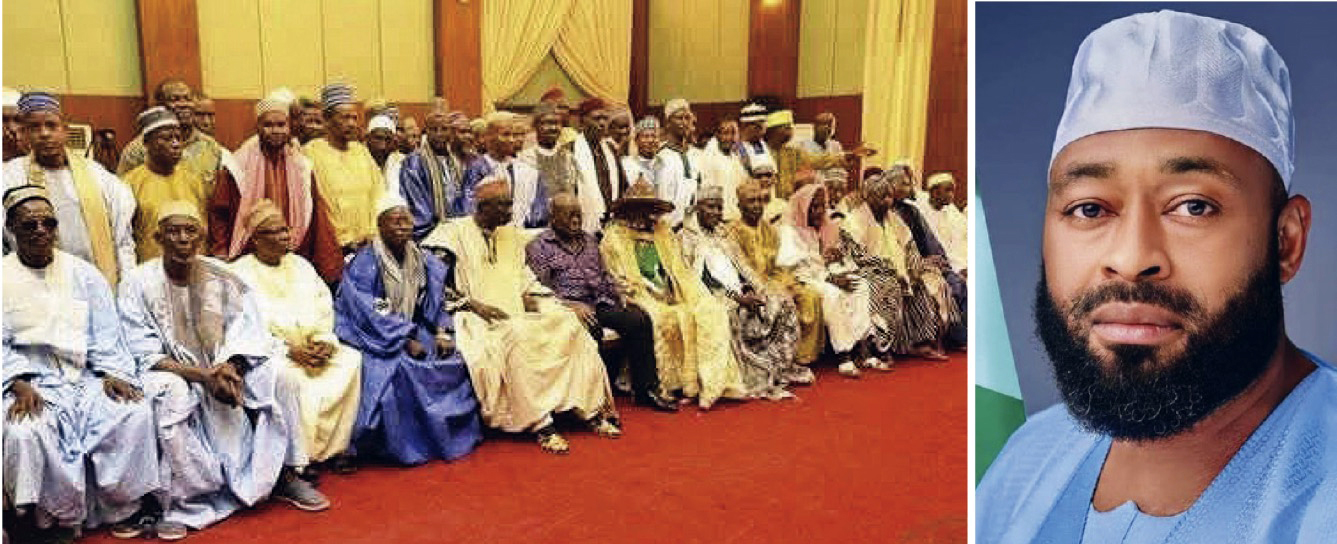
He announced the decision during sympathy visit to the Emir of Borgu, Muhammad Haliru Kitoro, where he met with the representatives of the Fulani, Boko, Kambari and Barigawa communities in the emirate who were affected by bloody communal clashes in the area.
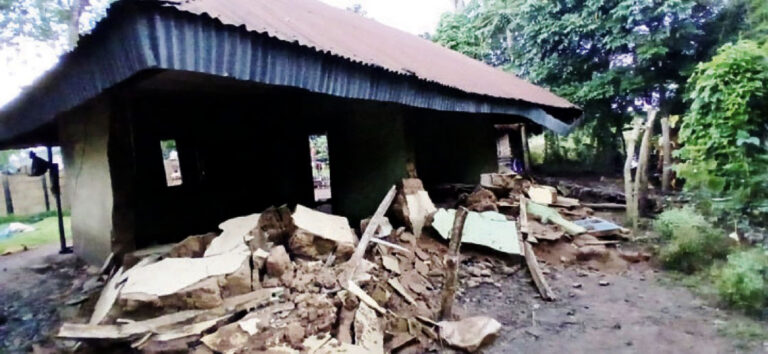
The violence, which led to loss of lives and property, was reportedly occasioned by a series of reprisals by members of the various groups and communities in the emirate.
The governor expressed worry over rising insecurity in the emirate, including kidnapping, land grabbing, farmland destruction and the reported cases of invitation of external Fulani fighters by the Ardos: “The Fulani district heads knew exactly who the criminals in their domains were, but chose to protect them rather than hand them over to security agencies, which makes them complicit in the bloodshed engulfing the state.”
He made reference to the dangerous cross-border banditry by their Fulani relatives and armed allies, who were “streaming in from neighbouring countries to reinforce local fighters, turning routine village disputes into bloody tribal wars with mounting death tolls.”
Daily Sun’s investigation revealed that the decision elicited mixed reactions. Some hailed it as panacea to the hydra-headed security challenges. But the Fulani community felt the policy was in bad faith.
Speaking on the condition of anonymity, a lecturer in one of the tertiary institutions in the state described the policy as very necessary in view of years of relentless onslaughts by gunmen suspected to be Fulani herdsmen or their relatives: “Every successive government in the state has ignored all the complaints about Fulani herdsmen, since 2010 when it started like a mere farmer/herders clash. It is refreshing to see that this administration is taking the bull by the horns.”
For the Fulani who spoke to Daily Sun, they believed the governor over-reacted, accusing him of stripping them of their long-held titles and their heritage in one swoop.
Though they admitted that there might be some bad eggs among them, who may be involved in leaking information to criminals, they also drew the attention of the government that some Fulani were equally victims of the criminality.
Other News
They also claimed that most of the perpetrators of the crimes came from outside the state and not from among them, regretting that stripping their district heads of their titles and heritage may not mark an end to the security challenges befalling the state, especially in Borgu and Nupe kingdoms.
They suggested that what the government should have done was to engage the leadership of the Fulani, particularly in the affected communities, with a view to jointly finding implementable solutions to the security problems in those communities. Daily Sun gathered that there are plans to keep a proper record of the pastoralists in Niger State, with a view to monitoring their activities in the state.
Shedding light on the policy, Commissioner for Nomadic and Pastoral Affairs, Umar Rebe, said, henceforth, any pastoralist entering the state without an official permit would be regarded as a rustler, insisting that the policy had no ill motives but was simply designed to keep track of the pastoralists entering the state, particularly in the local government councils on the borders with neighbouring states.
Moving forward, he announced a plan to establish a comprehensive database within the next three years, containing details of pastoralists in the state, the number of livestock they own and their locations across the state.
He regretted that before the establishment of the ministry, government had no accurate data of their operations, neither was there a data of the population of cattle: “The lack of this essential data further complicated the security challenges in the state.
“Once we have this data, we will be able to identify where they are and provide them with essential social amenities such as potable water and other basic services.
“Government equally introduced support programmes for women and youths in pastoral communities. These are developing strategies to address recurring conflicts between herders and farmers. Most of the conflicts recorded in recent times were land disputes rather than herder-farmer clashes.”³³³⅘⁴
He attributed the insecurity in the state to the size of the state and the fact that it shares borders with Kaduna, Zamfara, Kebbi and Kogi states including Republic of Benin:
“This strategic location makes the state vulnerable to incursions by criminal elements and undermines it security arrangement.”
The commissioner insisted that bandits had no camp within the state: “They cross over from neighbouring states to attack the state on a “hit-and-run” basis and retreating soon after their operation.”