Follow Us on Google

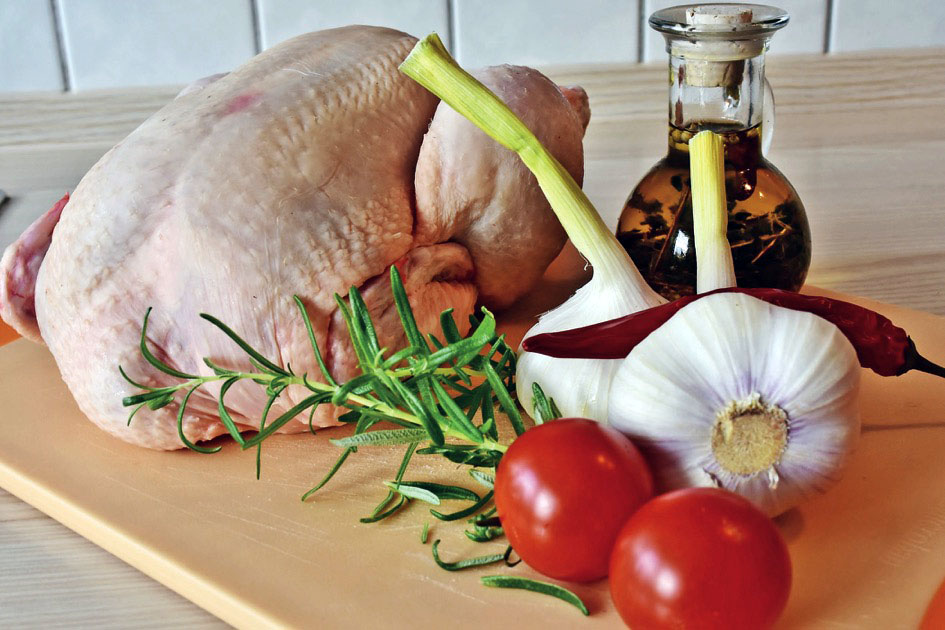
…And real reason to avoid chicken nuggets
Chicken meat is a well-favoured source of protein that practically everyone loves to eat in different ways. The story of man’s love for chicken began around 2000 BC, when people in India began domesticating the Southeast Asian red jungle fowl.
Today its descendant, the chicken, dominates plates around the world. According to US Food and Agriculture data, Americans eat more of it than any other protein. The average person has more than 98 pounds of chicken every year.
Arsenic levels
For decades, poultry producers added the arsenic-based drug roxarsone to chicken feed. It made the chickens grow faster and gave their raw meat an attractive pink colour. This drug hasn’t been on the market since 2011, but many other arsenic-based drugs are still part of chicken feed. Even at low levels, arsenic can cause cancer, heart disease, and diabetes. If you’re concerned, stick to certified organic chicken, which doesn’t allow arsenic in the feed.
Know your labels
The “inspected for wholesomeness” seal shows that the U.S. Department of Agriculture or that an agency of the state government inspected your chicken and found no signs of disease. Other labels tell you more about how the chicken lived. Chickens labeled organic got organic feed and didn’t live in cages. Free-range fowl either lived outside or had access to the outdoors. Cage-free means they didn’t stay in cages, but it doesn’t mean they had outdoor access.
Nutritional value
Chicken has just as much protein as beef and pork without all the fat and calories. One 268-calorie breast has 33 grams of protein to support your bones, muscles, skin, blood, and immune system. It also has almost 10 per cent of the magnesium you need every day, plus iron to carry oxygen to your cells. Chicken has high levels of tryptophan, an essential amino acid that makes mood-boosting serotonin.
Chicken and cholesterol
New evidence is shaking up the long-standing theory that chicken is better for your cholesterol level than other types of meat. A recent study found that all meats affect your cholesterol the same if they have the same amount of saturated fat. On its own, one chicken breast has 63 per cent of your recommended daily need cholesterol. Choose skinless chicken, baked not fried, for the least amount of saturated fat possible.
Healthy serving size
There’s a big difference between serving size and portion size. Serving size is the recommended amount for a healthy diet; portion size is the amount you choose to eat. One serving of cooked chicken is 3 ounces. That’s about the size of a deck of cards, and much smaller than a restaurant-style chicken breast.
Inexpensive and versatile
Chicken flies off the shelves for two reasons: its price and its many uses. It’s much cheaper than beef or pork because there’s more of it. U.S. facilities process more than 9 billion chickens every year. Compare that to 32.2 million cattle and 121 million hogs. You can cook chicken just about any way. And it’s mild enough to work in many dishes, from enchiladas and stir-fry to chicken Parmesan.
Best cuts
The leanest, healthiest piece of chicken you can eat is a skinless white-meat breast. When you roast chicken, you should leave the skin on it to seal in moisture and flavor. Then remove it, and any fat underneath, before you eat. Watch out for ground chicken. It may not be as lean as you think. It often contains dark meat and skin. Look for a label that says 90 per cent lean ground meat.
Foodborne illness
Chicken is good for you as long as you cook it properly. Bacteria love raw chicken. The most common kinds are campylobacter, salmonella, and Clostridium perfringens. About one million people get sick every year after eating poultry with one or a combination of these types of bacteria.
Know the temps
Whether you bake, roast, broil, poach, microwave, or fry chicken, make sure it reaches an internal temperature of 165 F. That’s the only way to kill all the bacteria. Store cooked or raw chicken in the fridge at 40 F or lower. That’s also the safest place to thaw chicken, not on the countertop or in cold water.
Handle chicken safely
Bacteria live on raw chicken and in its juices. Whenever possible, put chicken in a disposable bag in the grocery store to keep it from touching other foods. At home, wash your hands with warm, soapy water before and after you touch raw chicken. Use a separate cutting board, and clean anything that touches the raw chicken after you use it.
Antibiotic risks
As a way to control disease, some chicken producers put antibiotics in the feed or drinking water they give their flocks. The medicines aren’t harmful to you or the chicken, but they can make you resistant to antibiotics you might need to fight your own diseases. If this concerns you, look for labels that say the chicken is antibiotic-free.
Nugget of truth
There may be a lot more than meat in your chicken nuggets. Studies on nuggets from fast-food chains found they’re half meat. The other half consists of fat, blood vessels, nerves, bone pieces, connective tissue, and other fillers. All chicken is processed, but if you want the healthiest version possible, stick to whole cuts, like breasts or thighs.
Stay in motion
It’s the golden rule of joint health: The more you move, the less stiffness you›ll have. Whether you›re reading, working, or watching TV, change positions often. Take breaks from your desk or your chair and get active.
Safety first
Other News
Padding is your pal. So suit up when you do things like in-line skating or play contact sports. If your joints already ache, it might help to wear braces when you play tennis or golf.
Shed some weight
Your size affects some of the strain on your hips, knees, and back. Even a little weight loss can help. Every pound you lose takes 4 pounds of pressure off the knees. Ask your doctor what›s the best way for you to get started.
Don’t stretch before exercise
Flexibility helps you move better. Try to stretch daily or at least three times a week. But don›t do it when your muscles are cold. Do a light warm-up first, like walking for 10 minutes, to loosen up the joints, ligaments, and tendons around them.
Go low-impact
Which exercise is good? The best choices are activities that don›t pound your joints, like walking, bicycling, swimming, and strength training.
Flex some muscle
Get stronger to give your joints better support. Even a little more strength makes a difference. A physical therapist or certified trainer can show you what moves to do and how to do them. If you have joint problems, avoid quick, repetitive movements.
Work on your range
Are your joints too stiff? You›ll want to get back as much range of motion as you can. That›s the normal amount a joint can move in certain directions. Your doctor or physical therapist can recommend exercises to get yours where it should be.
Power up your core
Stronger abs and back muscles help your balance. That means you›re less likely to fall or get injured. Add core (abdominal, back, and hip) strengthening exercises to your routine. Pilates and yoga are great workouts to try.
Know your limits
It›s normal to have some muscle aches after you exercise. But if you hurt for more than 48 hours, you may have overdone it. Don›t push so hard next time. Working through the pain can lead to an injury or damage.
Eat fish
If you have RA joint pain, a fish dish could help. Fatty cold-water types like salmon and mackerel are good sources of omega-3 fatty acids, which help keep joints healthy. They also lower inflammation, which causes joint pain and tenderness in people with RA. Don›t like fish? Try fish oil capsules instead.
Keep your bones strong
Calcium and vitamin D can help. Dairy products are the best sources of calcium, but other options are green, leafy vegetables like broccoli and kale. If you don›t get enough calcium from food, ask your doctor about supplements.
Target your posture
Stand and sit up straight to protect joints from your neck down to your knees. A walk can improve your posture, too. The faster you go, the harder your muscles work to keep you upright. Swimming can also help.
Ease your load
Take care of your joints when you lift and carry. Hang bags on your arms instead of your hands. That lets your bigger muscles and joints support the weight.
Chill your pain
Ice is a natural pain reliever. It numbs the ache and eases swelling. If you have a sore joint, apply a cold pack or ice wrapped in a towel. Leave it on for up to 20 minutes at a time. You can also try a bag of frozen vegetables wrapped in a towel. Never put ice right on your skin.
Ask first before taking supplements
Stores are filled with products that promise to relieve joint pain. Glucosamine and SAM-e have the best research behind them. Talk to your doctor if you want to give supplements a try. They can help you decide what›s safe and what might affect your medicines or health conditions.
Treat joint injuries
They can add to the breakdown of cartilage in your joints. If you get hurt, see your doctor right away for treatment. Then take steps to avoid more damage. You may need to skip things that put too much stress on your joint or use a brace to keep it stable.
· Adapted from webmd.com