Follow Us on Google
• Dietitian, food safety specialist demand transparency
• NAFDAC, WHO, NBMA allay fears
By Ngozi Nwoke
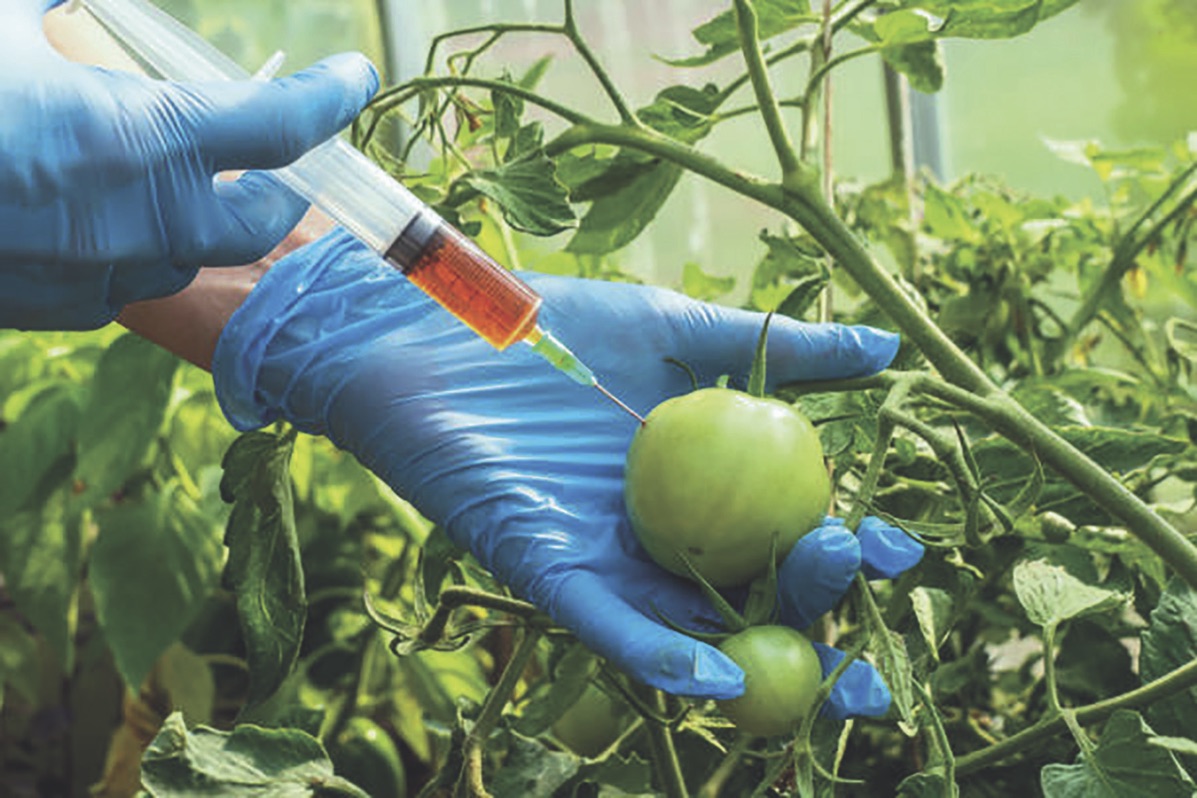
The increasing presence of Genetically Modified Organisms (GMOs) in fruits, foods, and vegetables is raising concerns among consumers, health experts, and environmental activists.
As Nigeria inches closer to embracing biotechnology to boost food production and security, fears are mounting about the potential risks these GMOs pose to human health, the environment, and the nation’s agricultural heritage.

Leading experts in food and agriculture describe GMO as the process of altering the genetic makeup of organisms using biotechnology to introduce traits like pest resistance, improved nutritional content, or increased yields. However, side effects of consuming GMOs have become a source of concern to many. Some people worry that GMOs could potentially cause allergic reactions, toxicity, or other health issues in humans.

Investigations by Saturday Sun reveal that GMOs are gradually making their way into Nigeria’s food supply chain. Currently, there are significant strides in the development of genetically modified crops, with several varieties that have already been approved. Among these is a genetically modified variety of cowpea that is resistant to pests like the pod borer, which can cause significant yield losses. The cultivation of a genetically modified maize variety designed to be insect-resistant and drought-tolerant, is also underway.
Other genetically modified crops that have made their way into the Nigerian market include ginger, apples, cotton, watermelon which are pest-resistant and have been commercialised in the country. Genetically modified soybeans have also been imported into Nigeria for use in food and feed production.
Researchers are also working on genetically modifying cassava to improve its shelf life and nutritional content. Similarly, scientists are developing African Biofortified Sorghum (ABS), a genetically modified sorghum variety designed to have enhanced nutritional content. Furthermore, in markets across Lagos, Abuja, Port Harcourt, and other major cities, foods containing GMOs are being sold without clear labelling, leaving consumers in the dark about what they eat.
Contrary to widespread fears, however, scientific studies and regulatory bodies like the World Health Organisation (WHO) generally consider GMOs to be safe when properly assessed and approved. That notwithstanding, the debate on the safety of GMOs rages.
The National Biosafety Management Agency (NBMA) and the Federal Ministry of Health and Social Welfare, say Nigeria has a robust regulatory framework that includes rigorous risk assessments, strict safety protocols, and regular monitoring to ensure GMO foods are safe for consumption.
Zainab Ahmed, a food safety expert, noted that the lack of transparency in the food supply chain raises concerns about the potential health and environmental impacts of GMOs on Nigerians. She highlighted the need for proper regulation, testing, and labelling of genetically modified foods and said, “You buy your tomatoes, your maize, your cowpeas without knowing if they’ve been genetically tampered with.”
The debate on GMOs in Nigeria is just beginning. We need dialogue, research, and strong regulations to protect our people and our food systems.”
Chike Oguike, a leading environmental scientist, warns: “The introduction of GMOs into our food chain without rigorous, long-term safety assessments is a ticking time bomb. We don’t know the impact on our biodiversity, our health, or our traditional farming systems.”
Oguike emphasises the need for strict regulations and thorough biosafety assessments before GMOs are allowed into the market.
Specialist dietitian and advocate of a drug-free life, Irerih Ogheneochuko, also has a say on the GMO debate. According to him, the nutritional aspect of GMO foods involves a simple modification process of plant seeds.
“Personally, I don’t think GMO poses much health risk to the human body,” the dietician stated. However, he cautioned that individual body systems differ, and consuming GMO foods could lead to varying hormone responses. He also warned that individuals who lack knowledge on selecting and combining healthy natural foods might develop health conditions if they consume excessive GMO foods.
Ogheneochuko expressed reservations about the necessity of GMO foods in Nigeria, emphasising the importance of labelling such products as best practice.
He advised that striking a balance between natural local foods and GMO foods would be ideal, with a focus on consuming more natural local foods.
Kaduna-based environmental advocate, Joshua Muazua also sounded the alarm over the potential environmental implications of GMOs in Nigeria. He explained that the introduction of GMOs into the environment raises serious concerns about their effects on biodiversity, potential gene flow to non-GMO crops, and impacts on non-target organisms.
Muazua expressed worry that the environmental impact of GMOs could be far-reaching, potentially affecting biodiversity and altering ecosystems. He noted that there’s a risk of genetically modified traits transferring to non-GMO crops or wild relatives, which could have unintended consequences.
“GMOs designed to be pest-resistant might affect non-target organisms, like beneficial insects,” he warned.
The environmental advocate also highlighted the danger of overuse of GMOs with pest-resistant traits, which could lead to pests developing resistance, thereby reducing the effectiveness of GMOs. Muazua’s concerns underscore the need for careful consideration and regulation of GMOs in Nigeria to mitigate potential environmental risks.
On the other hand, proponents of GMOs like Nnenna Nwosu, a plant biotechnologist, argue that GMOs are a vital tool for ensuring food security in Nigeria.
“With climate change and pests threatening our food supply, GMOs can help us grow more resilient crops,” Nwosu said. He, however, acknowledged the need for careful regulation and labelling to assuage consumer fears.
In markets like Oyingbo and Mile 12 in Lagos, sellers are often unaware if the produce they are selling contains GMOs.
“We just sell what we get from the farmers or wholesalers. We don’t know about GMO or no GMO,” said Bola Adeyemi, a tomato seller at Olalenye market. Consumers like Chukwuebuka Nwosu have expressed concern saying, “I don’t want to eat something that’s been genetically modified without knowing it. What if it’s harmful?”
Critics also argue that enforcement of biosafety regulations is weak, and labelling requirements are not strictly adhered to. A consumer rights lawyer, Emeka Okoro, emphasised the importance of transparency and strict enforcement of labelling laws for GMO. According to him, “There’s a need for transparency and strict enforcement of labelling laws so consumers can make informed choices.”
Okoro’s stance highlights the need for regulatory agencies to prioritise consumer rights and ensure that GMO products are clearly labelled to enable Nigerians to make informed decisions about the food they eat. This is a seeming contradiction to the stance of Mojisola Adeyeye, Director-General of the National Agency for Food and Drug Administration and Control (NAFDAC) on the safety of GMOs in Nigeria.
She said: “We don’t think GMO products are safe for our own consumption. A lot of research has never been done to certify that the GMO seeds are safe. We believe they are not safe until we get very convincing research that they are safe.”
However, in a recent viral video, the DG appeared to contradict herself, saying that “GMOs are genetically modified foods and they are not bad for us depending on the type of food they are and whether the safety considerations have been taken.”
Adeyeye explained that NAFDAC works in collaboration with the National Biosafety Management Agency, which is responsible for ensuring the safety of GMO foods.
The DG further said that foods are labelled as organic or GMO in supermarkets and grocery stores, allowing consumers to make informed choices. She emphasised that NAFDAC’s primary goal is to ensure that all foods in the market are safe and efficacious for consumption.
The apparent shift in the DG’s stance on GMOs has sparked questions about the agency’s position on the matter and the level of research that has gone into determining the safety of GMO products in Nigeria. The creeping presence of GMOs in Nigeria’s food market is a concern that demands attention from policymakers, consumers, and the agricultural sector.
Experts are appealing to the authorities to heighten vigilance on GMO regulation, ensure clear labelling, and prioritise consumer safety and environmental protection as the country explores the use of biotechnology in food production.
At a sensitisation workshop on GMOs for Directorate Officers, organised by the Open Forum for Agricultural Biotechnology (OFAB) in Abuja, the Director of the Agricultural Biotechnology Department at the National Biotechnology Research and Development Agency (NBRDA), Rose Gidado, stated that the introduction of GMOs and their products in Nigeria was not intended to poison citizens but to strengthen food security and improve nutrition.
She said the perception that GMOs were harmful or poisonous was misleading and unfounded, stressing that Nigeria scientists involved in the field were responsible professionals and consumers who would never endanger the lives of fellow citizens. She added that GMOs had a 30-year history of safe use in more than 45 countries, noting that Nigeria was adopting the technology with all safety precautions in place.
“Safety is never compromised. Our National Biosafety Management Agency (NBMA) was established to regulate biotechnology practice in the country,” she assured.
At the same workshop, Director of Food and Drug Service at the Federal Ministry of Health and Social Welfare, John Atanda noted that the Federal Government will begin the labelling of genetically modified crops to ensure transparency, traceability, and public confidence in their use.
Atanda explained that the ministry will collaborate with agencies such as NAFDAC) and NBMA to enforce proper labelling of GMO products. He stressed that the government remains committed to public health and will subject all biotechnology products to rigorous risk assessments, covering nutritional value, long-term health impacts, and environmental effects.