Follow Us on Google
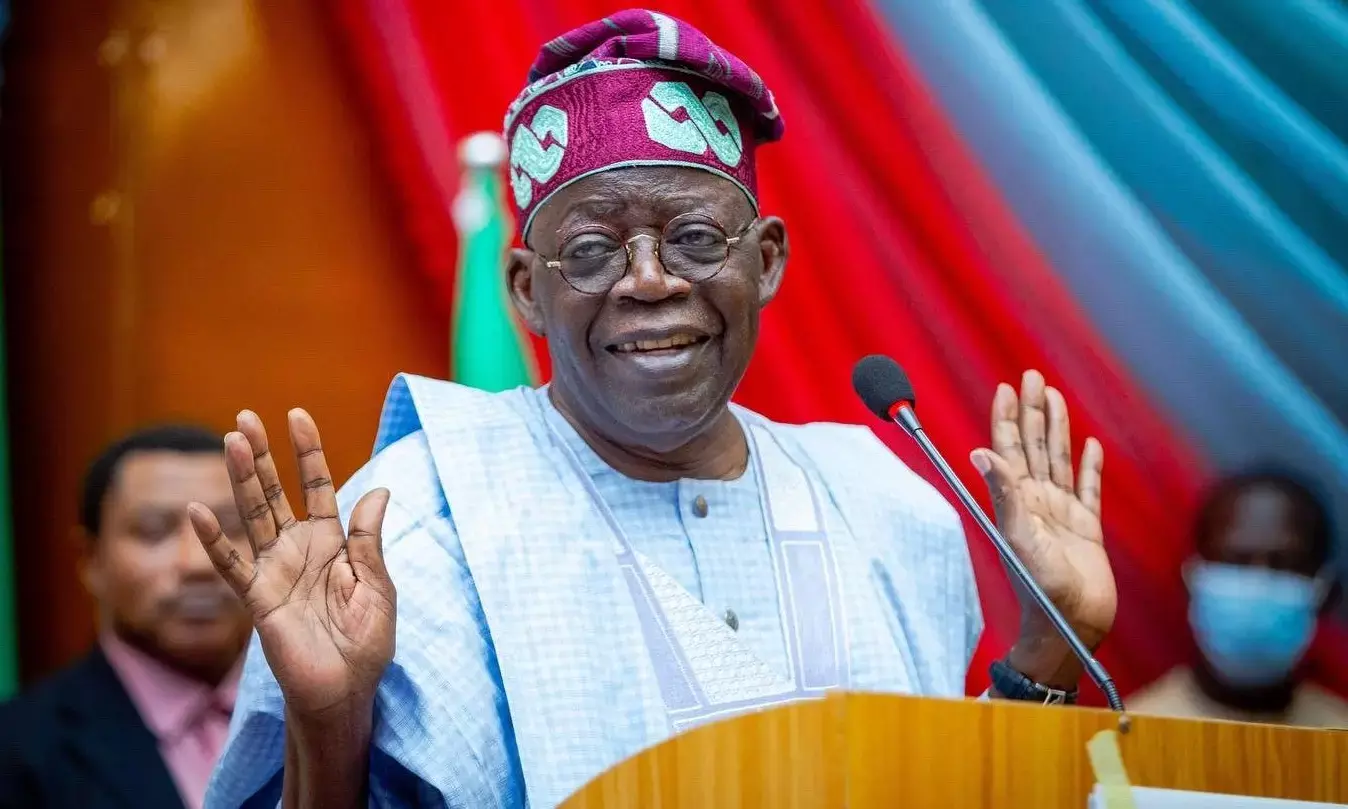
The controversies that have trailed the state pardon granted to 175 convicts in Nigeria are understandable. President Bola Tinubu granted this pardon in exercise of the prerogative of mercy conferred on him by Section 175 of the 1999 Constitution (as amended). Top on the list of the 175 beneficiaries are 41 illegal miners, 28 drug traffickers and 22 murderers.
Some other beneficiaries include foreigners, corrupt politicians like Farouk Lawan, kidnappers, and coup plotters such as Major-General Mamman Vatsa and Major Alabi Akubo. Also on the list are capital offenders like Maryam Sanda, Ken Saro Wiwa and the Ogoni eight. One of Nigeria’s foremost nationalists, the late Sir Herbert Macaulay, was also pardoned. British colonialists banned Macaulay from public office for alleged misappropriation of funds and sentenced him in 1913.
The Special Adviser to the President on Information and Strategy, Bayo Onanuga, explained that Tinubu acted on reports that the convicts had shown remorse and good conduct. Some were forgiven due to old age, acquisition of new vocational skills or enrolment into the National Open University of Nigeria (NOUN).
Though some Nigerians hailed the exercise, many others criticized it. They said it was wrong to grant pardon to criminals and drug barons who could pose danger to security.
Former Vice-President, Atiku Abubakar, described it as a show of political patronage. According to him, clemency must never be confused with complicity. “When a government begins to absolve offenders of the very crimes it claims to be fighting, it erodes the moral authority of leadership and emboldens lawlessness,” Atiku said. He added that the clemency diminished the sanctity of justice and sent a dangerous signal to the public and the international community about the values this government upheld.
We recall that in 1982, former President Shehu Shagari granted state pardon to the late Biafran leader, Dim Chukwuemeka Odumegwu-Ojukwu, who had been in exile in Cote d’Ivoire since the end of the war in 1970. Former military President, Ibrahim Babangida continued in that trajectory. He granted state pardon to many political detainees and convicted coup plotters. Former President Olusegun Obasanjo granted pardon to some military officers convicted of coup plotting under General Sani Abacha, including General Oladipo Diya.
Both former presidents Goodluck Jonathan and Muhammadu Buhari granted controversial state pardons to convicted corrupt politicians. Jonathan, in 2013, pardoned the former governor of Bayelsa State, Diepreye Alamieyeseigha, convicted and jailed for corruption under the Obasanjo administration. On his part, Buhari pardoned former governors Joshua Dariye of Plateau State and Jolly Nyame of Taraba State in 2022. These two ex-governors had earlier been convicted and jailed for corruption.
The pardon of convicted corrupt politicians and murderers has sent wrong signals to the citizens. It paints a picture of a country where justice is accessible only to the rich and people well connected to those in power. It doesn’t speak well about accountability and transparency.
We find it distasteful that a great percentage of the current exercise is for drug-related offences and illegal mining. This may dampen the morale of officers of the National Drug Law Enforcement Agency (NDLEA) who spent their time and energy fighting drug trafficking in the country. The government’s professed war against drug abuse now looks hollow and inconsequential.
The inclusion of murderers like Maryam Sanda rubbishes the clemency as well. The 37-year-old Sanda had fatally stabbed her husband, Bilyaminu Bello, to death in November 2017. Justice Yusuf Halilu of the High Court of the Federal Capital Territory, Abuja, convicted and sentenced her to death by hanging in 2020. Her pardon was based on the assumption that she has shown remorse and commitment to a reformed lifestyle. Also, her family had reportedly pleaded for her release on the grounds that she has two children to look after.
This glosses over the feeling of the husband’s family and the grave injustice to them. In a statement, the family regretted that to have Sanda walk free from blemish for her heinous crime “is the worst possible injustice any family could be made to go through for a loved one.”
In future, the list must be thoroughly screened. Criminals should not be rewarded with presidential clemency. Perhaps, Section 175 of the 1999 Constitution must be reviewed to clearly stipulate those who should be granted clemency.
There is need for wider consultation among past leaders, Council of State, Presidential Advisory Committee on the Prerogative of Mercy and security agencies before granting the clemency. The pardon must not be used to weaken the nation’s justice system.
Gladly, there are reports that some of the controversial names may be dropped. The Attorney-General of the Federation and Minister of Justice, Lateef Fagbemi, said the Presidential Prerogative of Mercy was still under review. According to him, the process remains at the administrative stage and has not been finalized. No inmate approved for clemency, he added, had been released from custody. We hope the outcome of the review will turn out to be less controversial.