Follow Us on Google
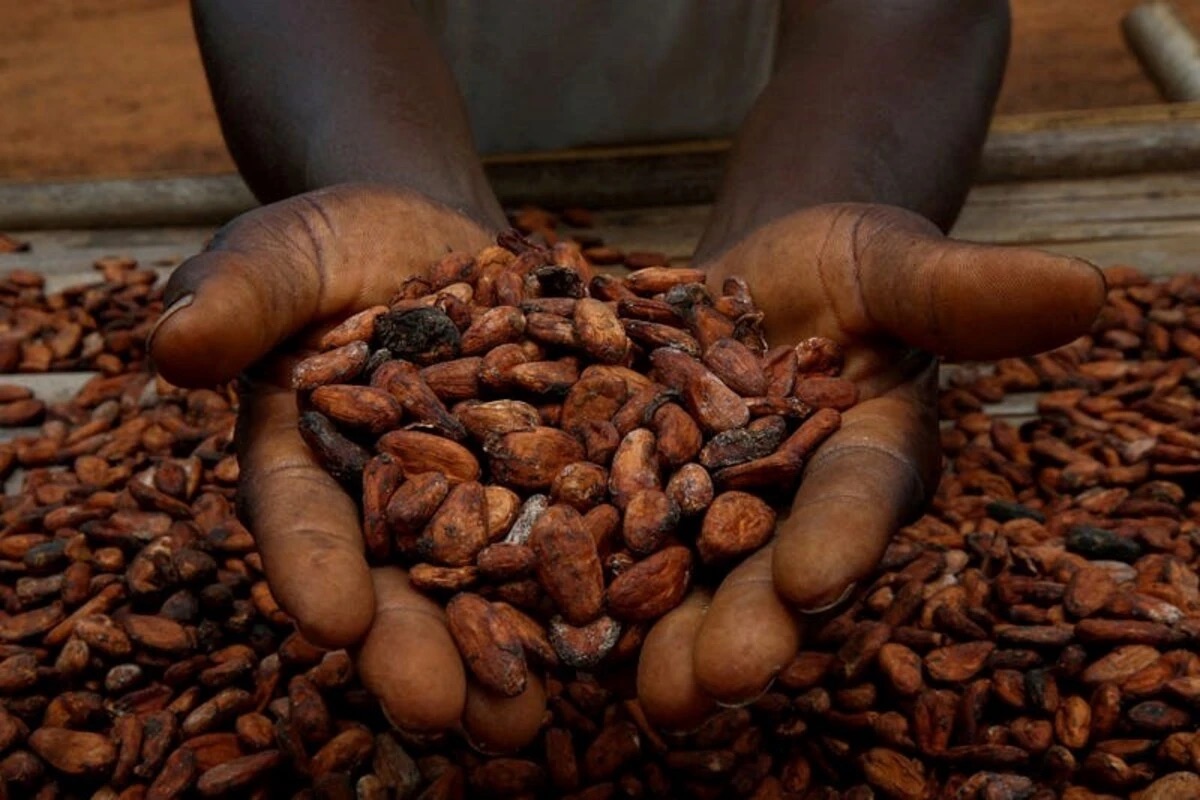
though it produces about 70 per cent of the world cocoa, Africa reportedly earns only a tiny fraction of the global chocolate industry, valued at between $130 billion and $165 billion. This is because the continent is not in control of most processing, manufacturing and branding.
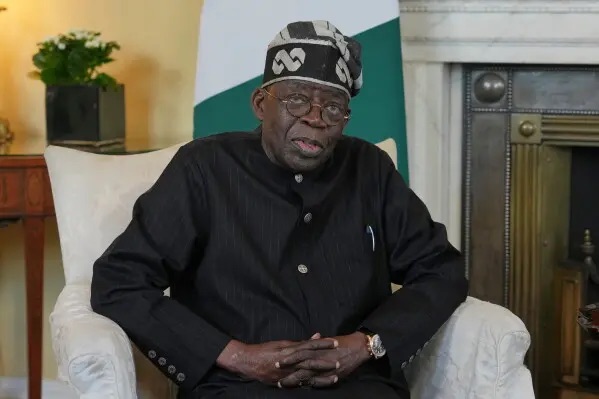
At the recent opening of the 2026 Cocoa Value Addition Summit in Abuja, President Bola Tinubu revealed the plan of the Federal Government of Nigeria to maximise cocoa earnings. The country intends to focus on processing the commodity locally and aligning with international standards to get more value from the global chocolate market. Rather than just exporting raw beans, it aims at processing them into cocoa butter, powder, finished chocolate and some other higher-value products.
In other words, the target of the Abuja summit, with the theme “From Bean to Brand: The Bean in My Hand, The Brand in Our Future,” is to encourage scaling up of domestic processing capacity to capture a larger share of the multibillion-dollar global chocolate industry.
During the summit, the framework establishing Cocoa Value Addition Alliance, also known as the Abuja Declaration, was signed by four countries that grow about two-thirds of cocoa globally. They are Cameroon, Cote d’Ivoire, Ghana and Nigeria. The African alliance is aimed at strengthening the bargaining power of the continent in the global cocoa market.
The FG, cocoa states, farmers, processors and financiers also signed Nigeria’s national compact in cocoa value addition under Cocoa Value Addition Accord Framework. The President, who was represented on the occasion by the Minister of Agriculture and Food Security, Senator Abubakar Kyari, said the government was committed to building a globally competitive cocoa industry by encouraging increased local processing while maintaining Nigeria’s position as a reliable cocoa exporter.
To ensure that Nigerian cocoa attracts premium pricing globally, the FG is said to have flagged off the distribution of one million disease-resistant and climate-resilient hybrid seedlings across cocoa-producing states. Also, it has reportedly engaged in rehabilitation of farms to increase productivity per hectare, and leveraging private-sector investment and modernised extension services.
It is the hope of President Tinubu that the initiative would promote a sustainable cocoa economy that would create jobs, attract investments and be the leading Gross Domestic Product (GDP) contributor. “Nigeria will no longer export raw beans while importing finished value. We will grind our beans at home; we will press our butter at home; we will make our chocolate at home, brand it at home and sell it to the world on our own terms,” Tinubu asserted.
What the President said is in order. Nigeria should benefit from cocoa value addition through processing of raw cocoa beans. It is good that 70,000-tonne cocoa processing facility in Sagamu will soon be operational. Also, while the country’s grinding capacity has reportedly crossed 120,000 tons a year, over 350,000 Nigerian farming families reportedly cultivate cocoa across over 1.4 million hectares.
All stakeholders should buy into the idea of processing the product. Doing so will add value, create jobs, and earn more revenue. It will enhance compliance with international standards and ensure improved traceability and access to premium global markets. It will also improve our cocoa exports. This will boost the non-oil exports and help in diversifying the economy away from crude oil.
Gladly, cocoa generated more than N3 trillion in export earnings during the recent surge in prices, contributing about a quarter of Nigeria’s non-oil exports. In recent times, Nigeria’s non-oil sector has contributed a lot to the country’s GDP. According to the National Bureau of Statistics, Nigeria’s GDP rose by 4.23 per cent year-on-year in real terms in the second quarter of 2025. In the corresponding period of 2024, it rose by 3.48 per cent.
Essentially, the non-oil sector, comprising agriculture, trade, construction, and real estate, among others, accounted for 95.95 per cent of the overall share of the real GDP. The sector grew by 3.64 per cent in the second quarter of 2025 compared with the growth rate of 3.26 per cent in the corresponding period of 2024.
Government should encourage this sector by upgrading our infrastructure, such as electricity and the transport system to help businesses to perform optimally and enhance export of goods and services.
We urge investors to leverage on the long-term financing, promised by the Bank of Industry (BOI) to support investments across the cocoa value chain. The Managing Director of the BOI, Olasupo Olusi, said the bank disbursed over N164 billion to 3,500 agro-processing and food business in 2025 and secured a €60 million credit facility from European Investment Bank to support cocoa processing projects.
Nigeria cannot continue to rely only on oil as the main source of revenue if it intends to achieve its proposed $1 trillion economy.