Follow Us on Google
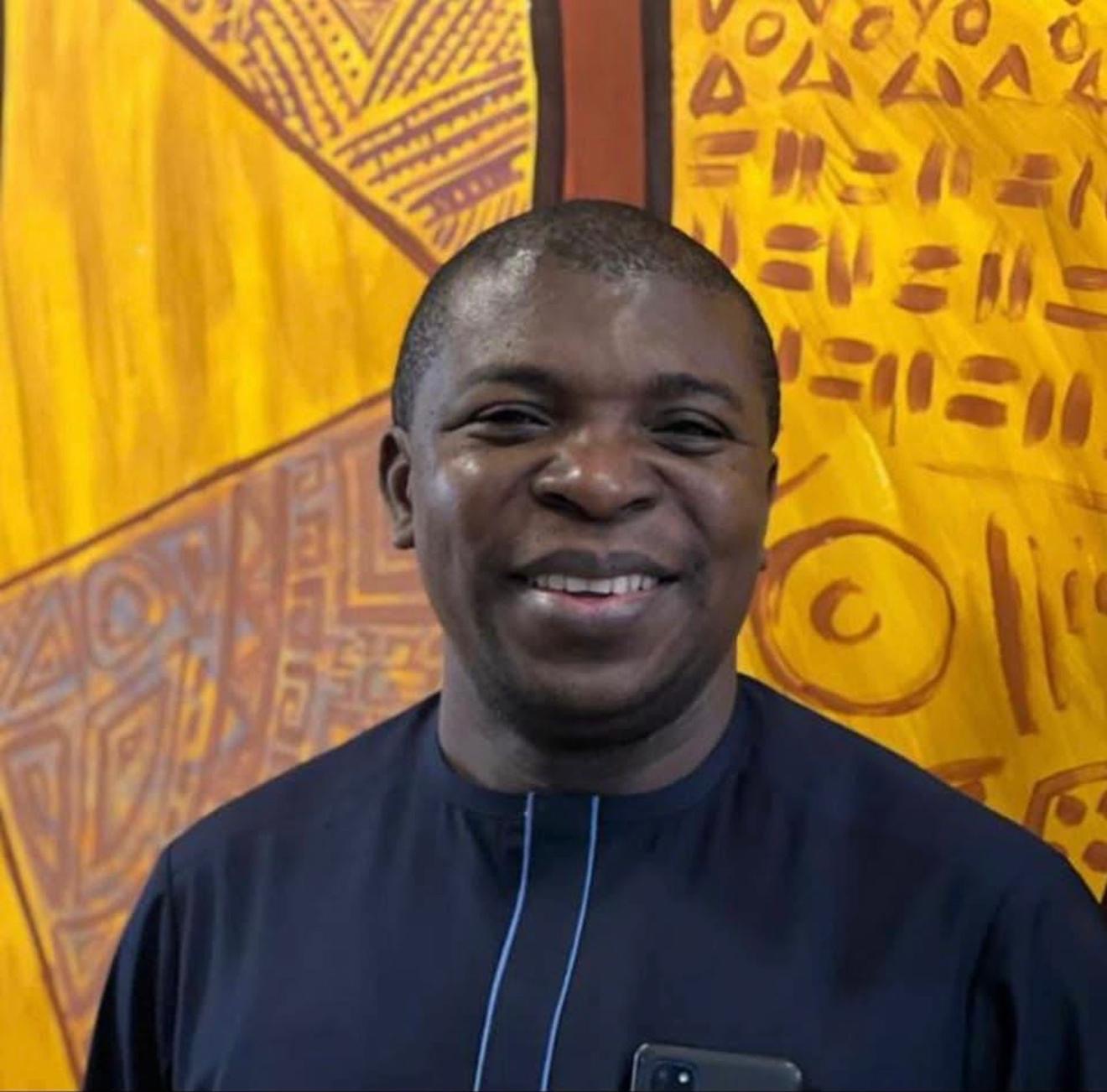
Senior Special Assistant to the President on Media and Publicity, Temitope Ajayi, has launched a scathing defence of President Bola Tinubu’s engagement with the Catholic Bishops’ Conference of Nigeria, accusing Cardinal John Onaiyekan of abusing “clerical privilege” by publicly recounting what transpired during a private meeting with the President.
In a strongly worded article titled Cardinal Onaiyekan’s Abuse of Clerical Privilege, posted on his verified Facebook account, Ajayi argued that the former Catholic Archbishop of Abuja acted inappropriately by granting a television interview to present his own version of discussions held behind closed doors.
“There is something fundamentally inappropriate about Cardinal John Onaiyekan granting a television interview to offer his own account and interpretation of what transpired during the private meeting between the Catholic Bishops’ Conference of Nigeria and President Bola Tinubu. It is, in my view, an abuse of clerical privilege,” Ajayi wrote.
According to him, the Catholic bishops exercised their democratic right by presenting concerns over Nigeria’s economy, security, and social conditions, while President Tinubu responded comprehensively and respectfully.
“The bishops requested an audience with the president. He granted the audience graciously. They presented, as was their right, a catalogue of the country’s economic, social, and security challenges as they saw them… The president listened to them patiently and responded. That should ordinarily have been where the matter rested,” he said.
Ajayi rejected suggestions that the President dismissed the bishops’ concerns, insisting Tinubu addressed each issue raised, including the demand for the return of mission schools.
“President Tinubu did exactly that, responding point by point to the issues they raised… On the bishops’ demand for the return of schools to their owners, the President was surprised that such an issue could be tabled before him, as it is a matter for the states to resolve… He asked the bishops to take the matter to the governors and reminded them he returned mission schools in Lagos State when he was governor.”
The presidential aide maintained that Tinubu acknowledged Nigeria’s challenges but insisted the country had begun recovering from years of economic distress.
“He acknowledged that significant economic and security challenges remain. His point was that the country has emerged from ‘a dark tunnel’, that his administration has laid the foundations for recovery and that the next phase is to ensure the greatest number of Nigerians feels the gains,” Ajayi stated.
Defending the administration’s economic policies, he argued that critics often overlook the fiscal crisis inherited by the current government.
“It is impossible to ignore the fiscal crisis he inherited and the measures taken to pull the country away from the edge of a financial cliff. Even the bishops themselves should recognise that one tangible consequence has been the restoration of greater fiscal stability across many states.”
Ajayi cited improved salary and pension payments across states as evidence of progress.
Other News
“Countless civil servants and pensioners who, for years, endured unpaid salaries and pensions are now receiving them more regularly… While this does not erase the discomfort many Nigerians still face, it is wrong to dismiss or ignore those improvements casually.”
He also defended Tinubu’s assessment of the country’s security situation, arguing that the President possesses intelligence unavailable to the public.
“The bishops declared that Nigeria is bleeding. The President thinks otherwise. President Tinubu did not deny the seriousness of the security situation. Rather, he acknowledged the challenge while outlining the gains recorded by the Armed Forces and intelligence agencies across different theatres of operation.”
“As Commander-in-Chief, he receives operational briefings, intelligence assessments, and battlefield reports unavailable to the general public… It is, therefore, legitimate for him to argue that the overall picture is more nuanced than newspaper headlines sometimes suggest.”
Ajayi further dismissed claims that Tinubu depends solely on external critics to understand the country’s realities, saying the President receives constant intelligence and public feedback.
“What truth does anyone really need to tell President Tinubu that he does not already know? As president, he has multiple channels for feeling the pulse of the country. He reads an average of 10 newspapers every day. He watches television, including discussion programmes, to gauge public opinion. He receives daily security, social, and economic intelligence reports… that are prepared for decision-making and are not sugar-coated.”
He argued that portraying the Catholic bishops as the exclusive voice of the nation’s conscience was misplaced.
“They are an important constituency, but they are by no means the exclusive custodians of the national mood or the nation’s conscience.”
Ajayi concluded by insisting that Cardinal Onaiyekan breached the expected confidentiality of the meeting, arguing that discretion should have prevailed after the audience with the President.
“Reciprocity should have dictated that the confidentiality and dignity of that engagement be preserved. As such, it was inappropriate for one of the participants to emerge almost immediately on national television to provide his own version of what was essentially a private conversation with the president.”
He added: “Clerical office carries privileges, but it also imposes obligations… Public influence should be exercised with discretion, not by converting privileged access into a platform for post-meeting commentary.”