Follow Us on Google
A medical expert and consultant cardiologist at the Lagos University Teaching Hospital (LUTH), Idi-Araba, Lagos, Dr. Adisa Adams, has raised the alarm over rising cases of hypertension among young adults in the country. The medic, who described the situation as dire, said about 25 per cent of emergency hospital admissions in urban areas stem from hypertension-related complications such as stroke, kidney failure and heart attacks. According to him, the silent killer is now common among young people than ever before. Hitherto, the disease was common among old people of 50 years and above. The condition is a threat to the lives of young adults and their future. Also, the death of most young Nigerians has been linked to heart-related challenge caused by undetected and unmanaged hypertension.
Available facts from the World Health Organisation (WHO), show that about 1.4 billion adults aged 30-79 years globally had hypertension in 2024. This represents 33 per cent of the population in this age range. About two-thirds of adults aged 30-79 years who have hypertension live in low-and middle-income countries. An estimated 600 million adults with hypertension (44 per cent) are unaware that they have the condition.
Overall, about 630 million adults with hypertension (44%) are diagnosed and treated. At the same time, approximately 320 million adults with hypertension (23%) have the disease under control. It is a major cause of premature death worldwide. However, there are global measures to reduce the rise of hypertension. One of the global targets for non-communicable diseases is to reduce the prevalence of uncontrolled hypertension by 25 per cent between 2010 and 2025.
Medical experts say that hypertension or high blood pressure is when the pressure in a person’s blood vessels is too high (140/90 mmHg or higher). It is common but can be serious if not treated. People with high blood pressure may not feel symptoms. The only way to know is to get a person’s blood pressure checked. The predisposing factors for hypertension include: older age, genetics, being overweight or obese, not being physically active, high-salt diet, and drinking too much alcohol.
The experts advise that lifestyle changes like eating healthier diet, quitting tobacco and being more active can help lower blood pressure. However, they opine that some people have to take medicines to lower it. Although hypertension has no symptoms, medical experts say that people with very high hypertension (usually 180/120 or higher) can experience symptoms including: severe headaches, chest pain, dizziness, difficulty breathing, nausea, vomiting, blurred vision or other vision changes, anxiety, confusion, buzzing in the ears, nosebleeds and abnormal heart rhythm.
Studies show that race, gender and other factors can also influence hypertension risk. It has been established that black adults have the highest prevalence of hypertension globally. They also show that men generally have higher risk than women. Although hypertension is a major cause of death in the world, but it is not a death sentence. It is preventable and it can be controlled. With adequate care and management, those with the condition can enjoy healthy living. Experts advise that eating more vegetables and fruits, sitting less and being more physically active, which can include walking, running, swimming, dancing or activities that build strength like lifting weights, can also lower hypertension.
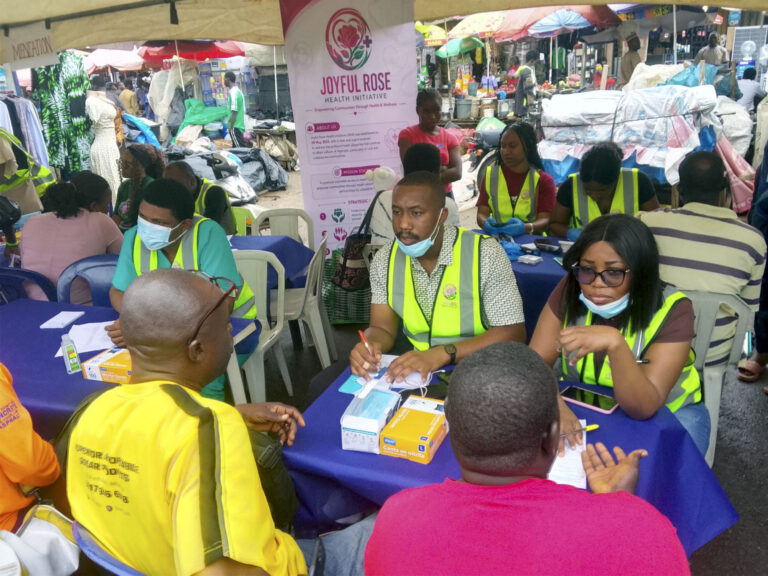
The rising cases of hypertension among young adults in Nigeria should worry all tiers of government and the nation’s health authorities. It is a national health emergency that should be given the deserved attention. Anything that affects the health of young adults, the future of the country, must be tackled with urgency and sincerity of purpose. Hypertension should not be allowed to threaten the lives and future of the nation’s young adults. Since millions of people with hypertension are not even aware of it, there should be mass sensitization about the disease in the country. We enjoin Nigerians, especially those from 30 years and above to go for medical checks at least once in a year.
However, routine medical checks and lifestyle changes are very vital in controlling the prevalence of hypertension. People should eat balanced diet and avoid sedentary lifestyle, which can lead to obesity. Since high-salt diet can predispose one to the disease, we urge the public to reduce their salt intake and eat more fruits and vegetables. We call on the federal, state and local governments to declare a national emergency on youth hypertension.