Follow Us on Google
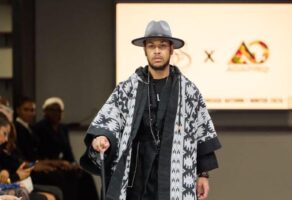
Presented during Creative Fashion Week London AW26 and later at Creative Fashion Week Paris AW26, the collaborative “Heritage” collection by Sisi Sewing and Ao Afriq set out to translate African cultural memory into a contemporary runway language. The result was a visually engaging presentation with moments of strong craftsmanship, though not without areas that could benefit from refinement.
The conceptual backbone of “Heritage” was clear: to celebrate African identity through fabric, colour and silhouette. The collection leaned heavily into cultural storytelling, and that narrative was successfully communicated through bold prints, ceremonial silhouettes and dramatic styling. In both London and Paris, the runway served as a stage for reclaiming and modernising heritage aesthetics.
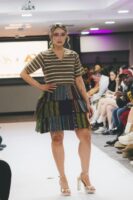
However, while the concept was compelling, the storytelling occasionally felt more visual than structured. Some transitions between looks did not fully develop a progression in theme, which could have strengthened the narrative arc of the show.
The fabrics were arguably the strongest aspect of the presentation. The collection embraced richly patterned African textiles, vibrant prints, textured fabrics and layered materials that immediately commanded attention.
Other News
The bold colour palettes: deep reds, earthy tones, golden hues and vibrant prints, added depth and cultural resonance. The designers demonstrated confidence in letting the fabrics speak, allowing the textiles to remain central rather than overly embellishing them.
That said, in a few pieces the density of patterns competed with the silhouette, slightly overwhelming the structure of the garments. A more restrained pairing of bold prints with calmer fabrics might have elevated some looks.
The silhouettes ranged from structured gowns with sculptural shoulders to flowing dresses with voluminous skirts. Several garments featured strong waist definition and exaggerated sleeves, giving the collection a regal and ceremonial feel.
The tailoring in certain structured pieces stood out, particularly where fitted bodices transitioned into dramatic skirts. These moments showcased a clear understanding of form and proportion.
Consistency in finishing needs improvement. While some pieces looked couture-ready, others felt closer to presentation samples rather than polished runway garments. Greater attention to finishing details, hems, lining and structure, would strengthen the overall impression.
Styling played a key role in reinforcing the theme. The garments were allowed to remain the focal point, with minimal distractions. The use of strong silhouettes and expressive fabrics ensured that each look carried presence on the runway.
However, the show could have benefited from stronger styling cohesion, especially with accessories or hair concepts that further emphasised the heritage narrative. A more unified visual direction could have elevated the presentation into a more immersive storytelling experience.
However, one must admit that the “Heritage” collection successfully demonstrated the growing global confidence of African-inspired fashion on international runways. By merging cultural textiles with contemporary silhouettes, Sisi Sewing and Ao Afriq positioned themselves within a broader movement of designers bringing heritage-driven narratives to global audiences.
While refinement in construction and runway storytelling would elevate future presentations, the collaboration remains a promising example of how African design identity can command attention in major fashion capitals.
The show ultimately reinforced a key point, that heritage is not just something remembered, but can also be worn, reinterpreted and proudly presented on the world stage.