Follow Us on Google
•Advocates seek support from govt, homes, schools, workplaces
Autism, also known as autism spectrum disorder (ASD), is a diverse group of conditions related to brain development, characterised by differences in social communication, interaction and patterns of behaviour.
According to the World Health Organisation (WHO), autism is associated with varying degrees of challenges in social interaction and communication, repetitive or restricted behaviours, difficulty adapting to changes, intense focus on specific interests and differences in responses to sensory experiences such as sounds, lights or textures.
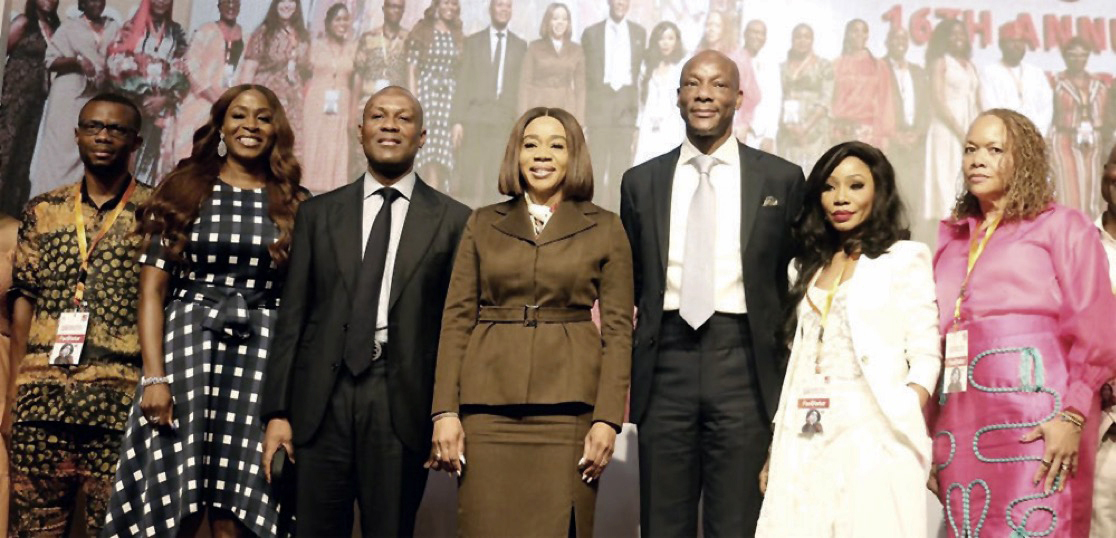
For 16 years, the Guarantee Trust Holding Company (GTCO) Orange Ribbon initiative has walked alongside families navigating Autisim. The conversation around autism in Nigeria has largely centred on awareness breaking myths, encouraging early identification and helping families move away from denial and stigma.
As stakeholders gathered at the 16th Annual GTCO Autism Conference in Lagos, a new reality emerged; awareness alone is no longer enough. They reiterated that country has reached a turning point where the focus must shift from simply knowing about autism to creating systems that allow people living on the spectrum to participate, thrive and belong.
Under the theme “Acceptance in Action: From Family to Classroom to Workplace to Public Spaces,” media executives, healthcare professionals, educators, parents, caregivers and autism advocates challenged Nigerians to move beyond sympathy and embrace practical inclusion.
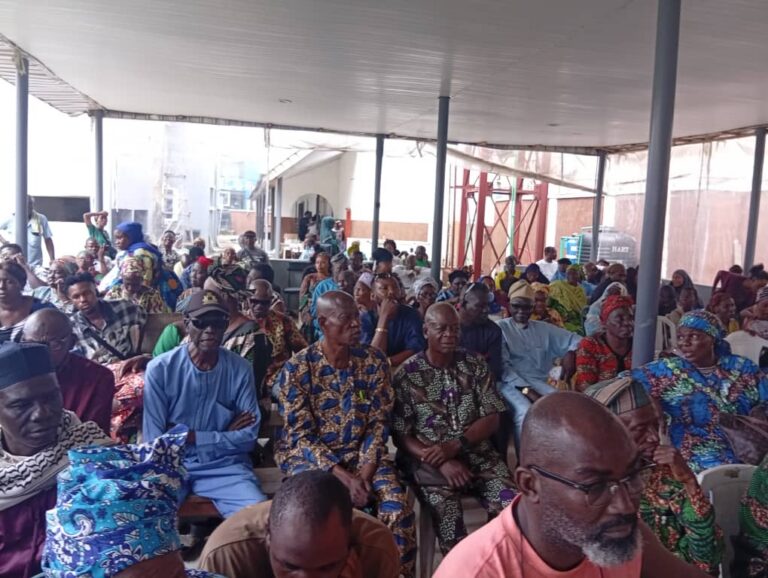
The conference, which attracted hundreds of participants, mostly parents and caregivers of children with autism and other neurodiverse conditions, has grown over the years into one of Africa’s leading platforms for autism advocacy, education and caregiver support.
However, experts at the conference stressed that many challenges faced by autistic individuals are not caused by autism itself but by environments that fail to understand and accommodate their needs.
A key message that resonated throughout the conference was that society must stop seeing autism only through limitations and begin recognising the role of families, communities and institutions in shaping the experiences of people on the spectrum.
Chief Executive Officer, GTCO, Mr Segun Agbaje, said: “Over a 16-year period, I think we’ve done a decent job of creating awareness. But when I reflect on reality, acceptance is not that easy. While the theme of the conference, Acceptance in Action, is inspiring, achieving true acceptance remains a complex journey. Autism affects individuals differently and that society must recognise the realities faced by families caring for people across the spectrum.
“The journey means we will learn better about what we are dealing with. The journey means we will teach people how to cook better, how to live with people on the spectrum and how to make the journey easier.”
Acceptance begins at home
International Behaviour Analyst, autism advocate and parent, Solape Azazi, stated that the foundation of autism acceptance begins within the home. She argued that acceptance is not merely a policy, document or public statement but a daily commitment demonstrated through actions, attitudes and relationships.
“Acceptance at home is meeting that child where that child is and bridging it to where the child needs to be. It is choosing connection over correction,” Azazi said.
She explained that many parents experience emotional distress after receiving an autism diagnosis, often because of fear of societal judgment rather than a lack of love for their children.
According to her, families must shift their focus from trying to make children with autism fit into conventional expectations and instead understand what support they need to succeed.
“When parents look beyond judgment and ask, ‘What does my child need to thrive right now?’ they begin to make the necessary adjustments that help the child feel seen, valued and included,” she said.
Azazi, who shared her personal experience raising a child with autism, said involving family members and educating siblings about autism helped create a stronger support system.
She explained that caregivers often carry significant emotional and physical burdens when they feel alone, adding that family understanding can reduce isolation and burnout.
“For a caregiver, it becomes easier when everyone around the child understands and speaks the same language. It gives the caregiver room to breathe and receive support,” she said.
She also addressed misconceptions surrounding autism, stressing that being autistic does not mean a person is incapable or unable to achieve meaningful goals.
Other News
“Being autistic does not mean a person is less. It does not mean the person cannot achieve. Autism is simply a different way of processing the world,” she said.
Understanding behaviour
Experts say genuine acceptance starts with seeing beyond stereotypes. Beyond awareness, they emphasised that understanding autistic behaviour is critical to achieving meaningful acceptance.
Board Certified Behaviour Analyst and Behaviour Analysis instructor at Endicott College, Massachusetts, United States, Lanre Duyile, said behaviours displayed by autistic individuals often communicate important information and should not automatically be viewed negatively.
He explained that actions such as avoiding eye contact may not indicate disrespect, but could simply reflect how an autistic person processes information or regulates him or herself. “Until we understand these behaviours, genuine acceptance will remain difficult,” he said.
He introduced practical strategies, including the use of scatterplots, to help parents and caregivers identify behavioural patterns and understand possible triggers.
Duyile explained that parents, regardless of literacy level, can collect useful information through simple methods such as recording times on phones, making marks on paper or using objects to track occurrences.
According to him, these observations help families and professionals develop better support strategies tailored to individual needs. He also noted that Nigeria, like many countries globally, faces a shortage of trained autism professionals, stressing the need for continuous investment in training.
“There is no one-size-fits-all solution. Every child and every family is different, so interventions should always be person-centred and tailored to the individual’s needs,” he said.
From schools to workplaces
Stakeholders at the conference demand policies that turn inclusion into reality. Autism advocates at the conference stressed that acceptance must extend beyond families to schools, workplaces, public spaces and government systems.
Mr. Afeez Abdulrasaq said acceptance requires a deliberate and collective approach involving families, communities, employers, educators and policymakers.
He explained that the struggles of children living on the spectrum are closely connected to the experiences of their caregivers.
“Behind the child on the spectrum is the mother who is navigating society. Behind the mother is a system that could either make it difficult for them or make it easier for them,” Abdulrasaq said.
He urged Nigerians to rethink their perception of disability, arguing that everyone experiences limitations that require support at different stages of life. “We all have disabilities. The only difference is severity. Everything that requires support is a disability,” he said.
The advocate warned that simply allowing people with autism into schools, workplaces or public spaces does not automatically create inclusion.
“Social inclusion is what will help you to truly appreciate inclusive practices,” he said.
Stakeholders called on government to strengthen disability-inclusive policies, provide funding for support services and ensure that institutions have the capacity to accommodate people living with autism.
They also urged schools to adopt flexible teaching methods, employers to create supportive workplaces and communities to challenge stigma and misinformation.