Follow Us on Google

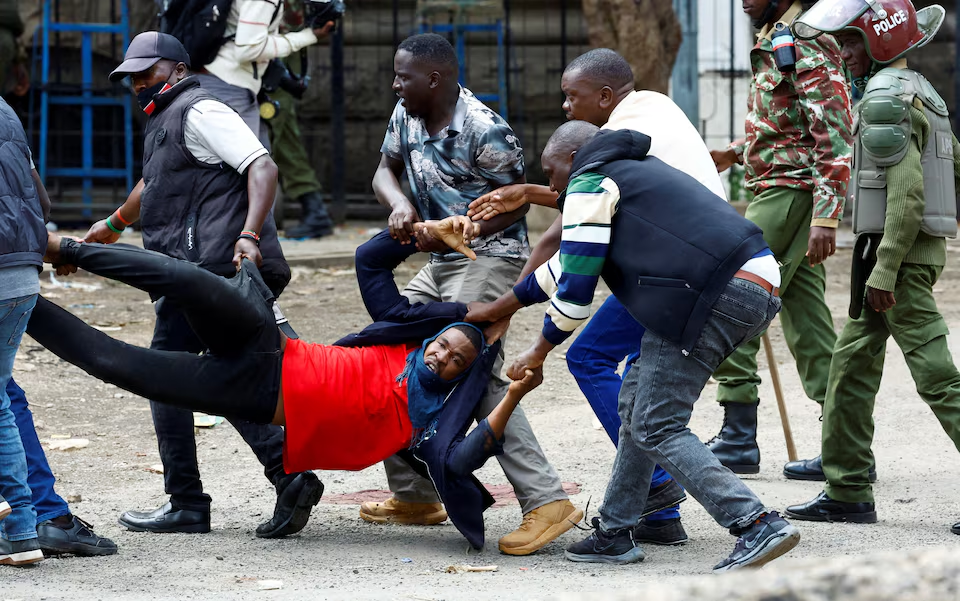
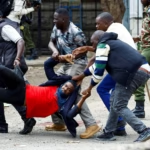
Hundreds of people have taken to the streets of Bangui, the capital of the Central African Republic (CAR), to protest rising fuel prices and demand the release of five organisers detained after an earlier demonstration.
The protesters marched on Friday, carrying placards condemning the increasing cost of living and calling on the government to free the detained activists.
Some of the placards displayed messages such as “A hungry belly has no ears” and “We are all equal in the face of the high cost of living,” according to AFP journalists at the scene.
The demonstration followed a series of fuel price increases introduced by the government since the beginning of the previous month. The hikes have pushed up transportation and food costs, worsening economic difficulties in a country already struggling with security and supply chain challenges.
A 31-year-old demonstrator identified only as Stephane told AFP that the rising cost of transportation had become unbearable.
“Transportation is costing me almost more than my house,” he said.
He described Friday’s demonstration as a warning to the authorities, adding that more people could join future protests if the situation remained unchanged.
“Today this is only a warning to the government, but let it be clear that the people have had enough. Next time, there will be more of us out on the streets,” he warned.
The rally attracted motorcycle taxi drivers, traders, residents, civil society representatives and members of the Republican Bloc for the Defence of the Constitution (BRDC), an opposition coalition that organised the protest.
The coalition had previously called for a shutdown of Bangui on October 12. The action resulted in the arrest of five civil society organisers, who remained in detention as of Friday.
During the latest demonstration, protesters chanted “Resistant Central Africans” and sang, “Gas is expensive, everything is expensive, free our leaders.”
Some motorcycle taxi operators also pushed their vehicles along the protest route to demonstrate the difficulties caused by rising fuel prices and shortages.
Although the government initially described the planned demonstration as illegal, authorities eventually allowed it to proceed. Police officers and armoured vehicles belonging to the United Nations peacekeeping mission in the country provided security during the march.
A 38-year-old trader, Joachim Lessoua, expressed concern about the impact of rising prices on ordinary residents.
“The rising prices of basic necessities are starting to suffocate us. Where will this situation lead us?” he asked.
BRDC spokesman Martin Ziguele said fuel prices had been increased three times within a year, while the country’s monthly minimum wage of 35,000 CFA francs, equivalent to about $59, had remained unchanged for more than three decades.
President Faustin-Archange Touadera has attributed the government’s decision to increase fuel prices to rising oil costs in international markets, saying the authorities could no longer afford to maintain fuel subsidies.