Follow Us on Google
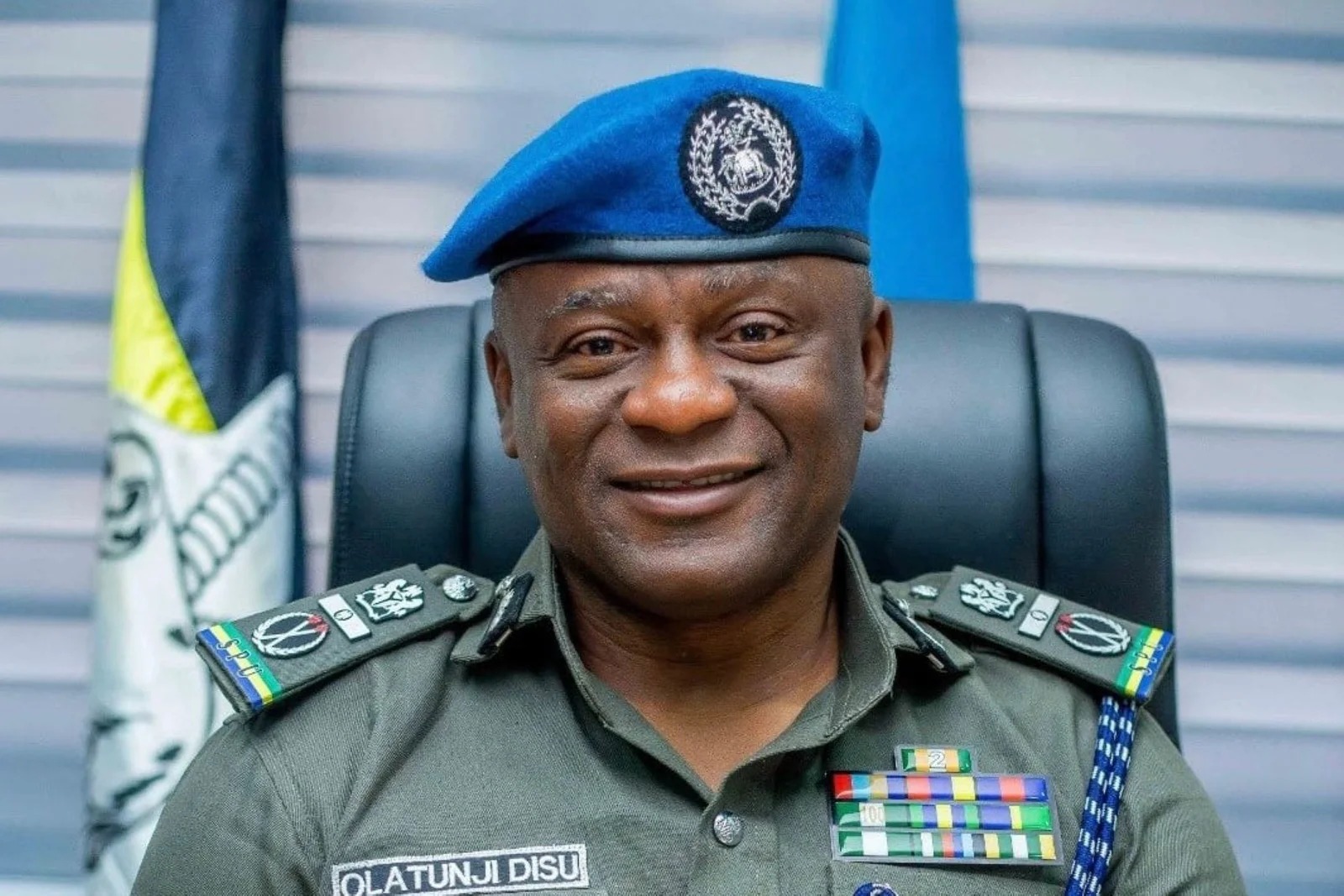
Recently, Nigeria witnessed a significant moment in its policing history as Tunji Disu took the oath of office as Inspector-General of Police, pledging zero tolerance for corruption, impunity, and abuse of human rights. His decoration by President Bola Tinubu came with a clear and urgent mandate: restore discipline within the Force and decisively combat banditry and terrorism. Disu succeeds Kayode Egbetokun, who recently resigned to attend to pressing family matters.
We congratulate IGP Disu on his appointment. His pedigree suggests that he possesses both the intellectual depth and operational experience required to modernise policing in Nigeria. At a time when the President has shown readiness to advance the creation of state police, the new IGP stands at a historic crossroads. His job is well cut out for him. The expectations are high, but they are not unattainable.
Disu’s educational journey reflects discipline and steady growth. From Holy Cross Cathedral Primary School and Mayflower Junior School in Ogun State to Pobuna Secondary Grammar School and St. Gregory’s College in Lagos, he built a solid early foundation. He earned a Bachelor of Arts in English Education and a Postgraduate Diploma in International Relations and Strategic Studies from Lagos State University, followed by a Master’s in Public Administration from Adekunle Ajasin University. In 2022, he capped his academic pursuits with a Master’s in Criminology, Security and Legal Psychology from Lagos State University.
Disu also invested in professional development. He trained in small arms smuggling in Botswana, studied internet fraud and cybercrime at the University of Cambridge, undertook strategic leadership command at the Police Staff College, Jos, and completed forensic investigation and criminal intelligence programmes at the University of Lagos. These exposures sharpened his expertise in intelligence, investigations, and modern policing techniques—skills indispensable for national command.
He joined the Force on May 18, 1992, as a Cadet Assistant Superintendent, and rose through the ranks. As a Divisional Police Officer across several states, he gained grassroots experience in community policing and crime management. His early leadership roles in State Criminal Investigation Departments and anti-kidnapping units deepened his investigative credentials.
Internationally, he led Nigeria’s first police contingent to the African Union Mission in Sudan in 2005. That multinational exposure broadened his understanding of crisis environments and inter-agency coordination.
Disu was Commander of the Rapid Response Squad in Lagos between 2015 and 2021, later head of the Intelligence Response Team before serving as Commissioner of Police in Rivers State and the Federal Capital Territory, Abuja,
His academic grounding, operational fieldwork, intelligence leadership, and strategic command position Disu well for the task ahead. Yet experience alone will not suffice. The moment demands courage.
He must confront, headlong, the endemic corruption that has eroded public confidence in the Force. His pledge of zero tolerance must not be mere rhetoric. Extortion at checkpoints and police stations must end. Discipline must return to the ranks. Without internal cleansing, external security victories will remain hollow.
Other News
Manpower shortage and welfare cannot be ignored. A police force of roughly 370,000 personnel for a nation of over 200 million is grossly inadequate. The long-term goal of raising the strength to one million officers is ambitious but necessary. Recruitment must, however, go hand in hand with rigorous training and retraining. Quality must not be sacrificed on the altar of numbers.
The welfare of officers demands urgent attention. Poor remuneration and harsh living conditions breed low morale and compromise professionalism. An enhanced living wage, decent barracks, insurance coverage, and proper healthcare are not luxuries; they are prerequisites for integrity and performance.
Also, equipment and technology must match contemporary security threats. Banditry and terrorism are sophisticated enterprises. The police need modern kits, surveillance tools, forensic laboratories, and reliable mobility assets. A 21st century police force cannot operate with 20th century tools.
Disu must pay serious attention to state and community policing. As conversations around state police gather momentum, he has an opportunity to lay a strong foundation for decentralised, intelligence-driven security architecture that reflects local realities. Nigerians yearn for a people-centred police force—one that protects rather than intimidates.
The morale crisis within the Force is real. Public trust is waning. Rebuilding confidence requires transparency, accountability, and consistent enforcement of human rights standards. Discipline in the ranks must be matched with dignity in engagement with citizens.
The President has outlined key areas of concentration: restore discipline; combat banditry and terrorism. These are tall dreams. But they are achievable.
Disu should also build on the achievements of his predecessor, consolidating reforms where progress has been made while charting a bold new course where gaps remain.
History now beckons. With his education, experience, and exposure, IGP Disu has no excuse for mediocrity. Nigerians expect action, not promises. They expect protection, not predation. They expect a police force that inspires pride, not fear. We wish him wisdom, courage, and resolute determination in his tenure.