Follow Us on Google
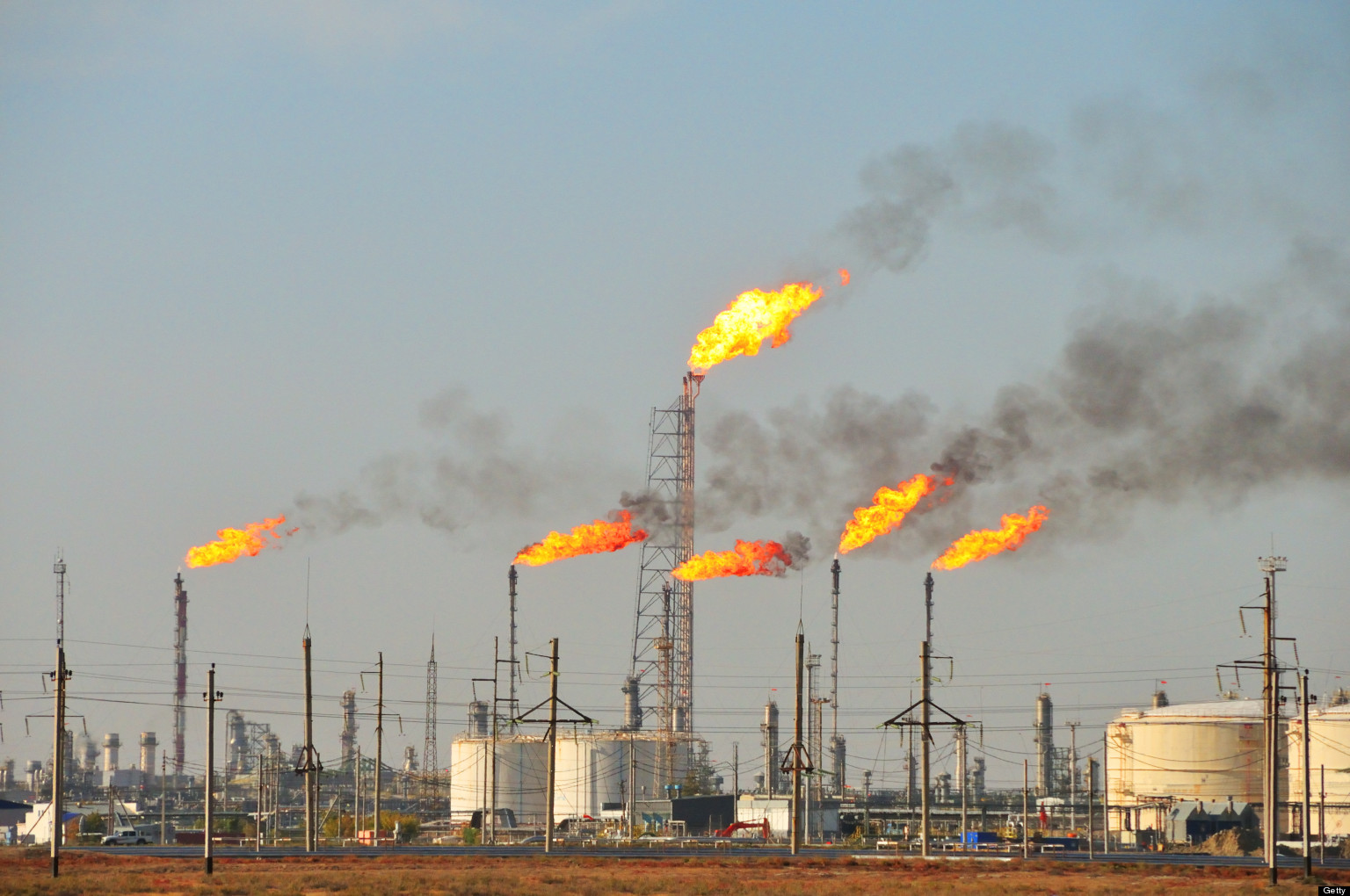
Nigeria has been listed among nine countries responsible for more than 83 per cent of global gas flaring in 2025.
This is according to the latest Global Gas Flaring Tracker Report released by the World Bank’s Global Flaring and Methane Reduction Partnership (GFMR) in collaboration with the Payne Institute at the Colorado School of Mines.
The report identified Nigeria alongside Russia, Iran, Iraq, Venezuela, Mexico, Libya, Algeria and the United States as the countries accounting for the overwhelming majority of global gas flaring last year. Collectively, the nine nations produced just 46 per cent of the world’s crude oil but were responsible for more than four-fifths of all gas flared globally.
Gas flaring occurs when natural gas produced during crude oil extraction is burned instead of being captured for domestic use, exports or industrial applications. The practice not only wastes a valuable energy resource but also contributes significantly to greenhouse gas emissions.
According to the report, global gas flaring rose for the third consecutive year, increasing from 157 billion cubic metres (bcm) in 2024 to 167 bcm in 2025.
The World Bank estimated that flaring generated about 429 million tonnes of carbon dioxide equivalent emissions in 2025, including around 50 million tonnes from unburned methane, one of the most potent greenhouse gases.
For Nigeria, the report comes as the country continues to position natural gas as the cornerstone of its energy transition strategy. The Federal Government has repeatedly pledged to end routine gas flaring through initiatives such as the Nigerian Gas Flare Commercialisation Programme (NGFCP), while encouraging investments in gas processing infrastructure and domestic gas utilisation.
Nigeria also holds one of Africa’s largest proven natural gas reserves and is seeking to leverage the resource to boost electricity generation, support industrialisation, expand gas-based industries and increase export earnings.
Other News
However, the latest findings suggest that significant challenges remain in converting associated gas that would otherwise be flared into commercially viable products.
The report noted that more than 60 per cent of the increase in global gas flaring during 2025 came from Russia, Mexico and Iran, with Russia retaining its position as the world’s largest gas-flaring country after recording a nine per cent increase in flaring volumes.
Globally, the amount of gas flared in 2025 exceeded the volume of liquefied natural gas (LNG) transported through the Persian Gulf during the year and was roughly equivalent to Africa’s annual gas consumption.
The World Bank valued the wasted gas at approximately $54 billion, underscoring the enormous economic losses associated with continued flaring.
According to the report, eliminating routine gas flaring worldwide would require between $70 billion and $100 billion in upfront investment. It stressed that the technologies needed to capture and utilise associated gas already exist, with inadequate infrastructure, weak gas markets, financing constraints and poor regulatory enforcement remaining the key obstacles.
The report noted that reducing routine gas flaring could significantly improve energy security by increasing gas supplies for power generation, industries and clean cooking. It estimated that one billion cubic metres of natural gas can generate around four billion kilowatt-hours of electricity.
While global flaring increased, some countries recorded notable progress. The United States reduced flaring by seven per cent following the commissioning of the Matterhorn Express Pipeline, while Kazakhstan has cut gas flaring by 87 per cent since 2012 through stronger regulations and sustained investments in gas infrastructure.
The World Bank said these examples demonstrate that with the right policy framework, infrastructure investments and regulatory enforcement, countries can substantially reduce gas flaring while improving energy security, creating economic value and lowering greenhouse gas emissions.