Follow Us on Google
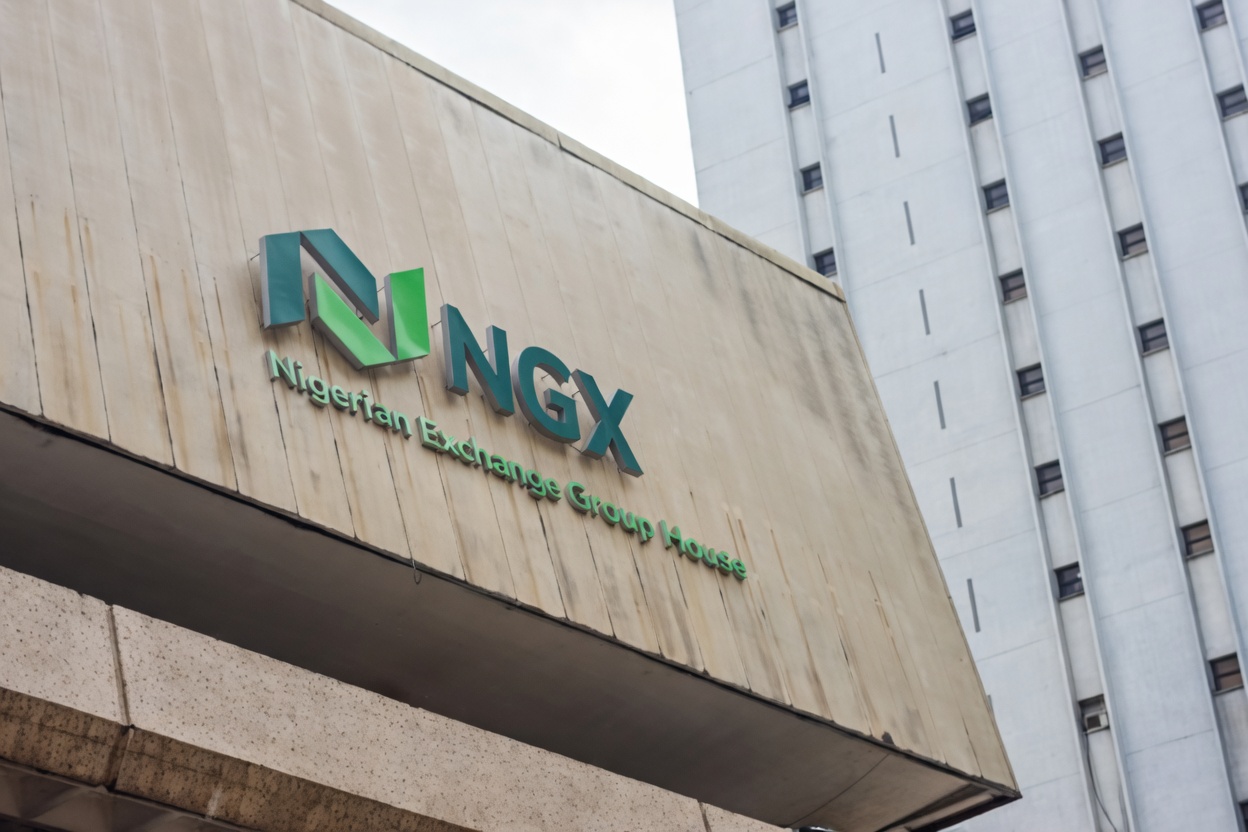
Foreign investor participation on the Nigerian Exchange (NGX) declined to its lowest level in 2026 in May, despite total market transactions rising to their highest monthly level this year, highlighting the increasing dominance of domestic investors in the country’s equities market.
The latest Domestic & Foreign Portfolio Investment Report released by NGX Regulation Limited showed that foreign investors accounted for just 9.45 per cent of total market transactions in May, down from 13.01 per cent recorded in April. Foreign transactions also declined by 25.90 per cent month-on-month to N183.61 billion from N247.77 billion in April.
The report showed that while foreign participation weakened, total transactions on the Exchange increased by 7.79 per cent to N1.94 trillion in May from N1.80 trillion in April, representing the highest monthly trading value recorded on the Exchange so far in 2026. Foreign investors remained net sellers during the month, with outflows of N96.01 billion exceeding inflows of N87.60 billion, resulting in a net foreign outflow of N8.41 billion.
On a year-on-year basis, market activity expanded significantly. Total transactions in May 2026 stood at N1.94 trillion, representing a 177.42 per cent increase over the N700.50 billion recorded in May 2025. The report indicates that the growth in trading activity was driven almost entirely by domestic investors, as both institutional and retail participants continued to dominate the market despite reduced foreign interest. Data from the Exchange showed that cumulative transactions between January and May 2026 reached N7.90 trillion, more than double the N3.41 trillion recorded during the corresponding period of 2025.
Other News
However, foreign investors have maintained a selling bias throughout the year. Between January and May, foreign inflows amounted to N400.06 billion, while outflows stood at N573.32 billion, leaving cumulative net foreign outflows of N173.26 billion.
The decline in foreign participation comes as Nigeria recently implemented its transition to a T+1 settlement cycle, which took effect on June 1, 2026. The development followed concerns raised by FTSE Russell, which cited the transition as one of the reasons for pausing Nigeria’s planned return to Frontier Market status. Market watchers believe the decision could keep some foreign portfolio investors on the sidelines until operational concerns are resolved.
The report also suggests that domestic institutional investors adjusted their portfolios during the month as yields in the fixed-income market became more attractive. Institutional investors recorded net sales of N93.01 billion in May, reflecting portfolio rebalancing as Treasury bill yields climbed above 17 per cent while Open Market Operation (OMO) rates approached 22 per cent during the month.
In contrast, retail investors remained net buyers, posting a net purchase position of N40.41 billion in May, indicating sustained participation by individual investors despite market correction. Capital market analysts said the resilience of retail investors reflects the growing use of digital trading platforms and increasing financial literacy among younger Nigerians, factors that continue to broaden domestic participation in the equities market even as foreign investors remain cautious.