Follow Us on Google

From Jude Chinedu, Enugu
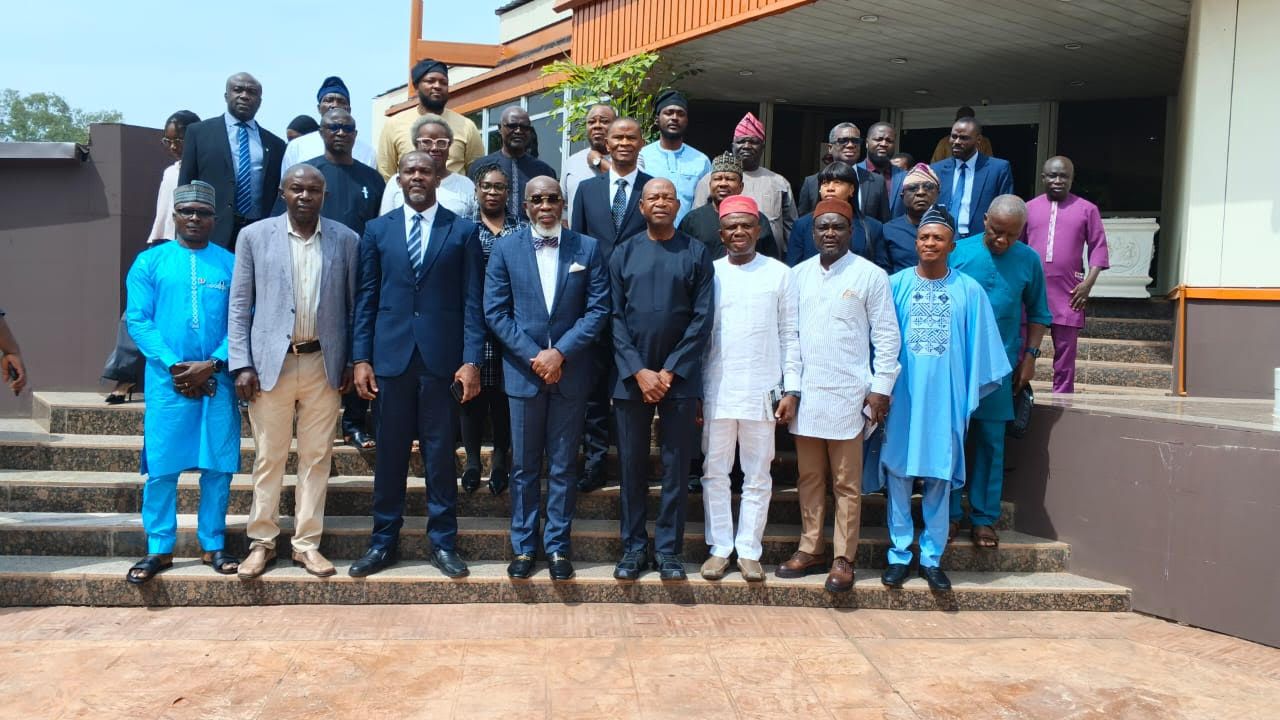
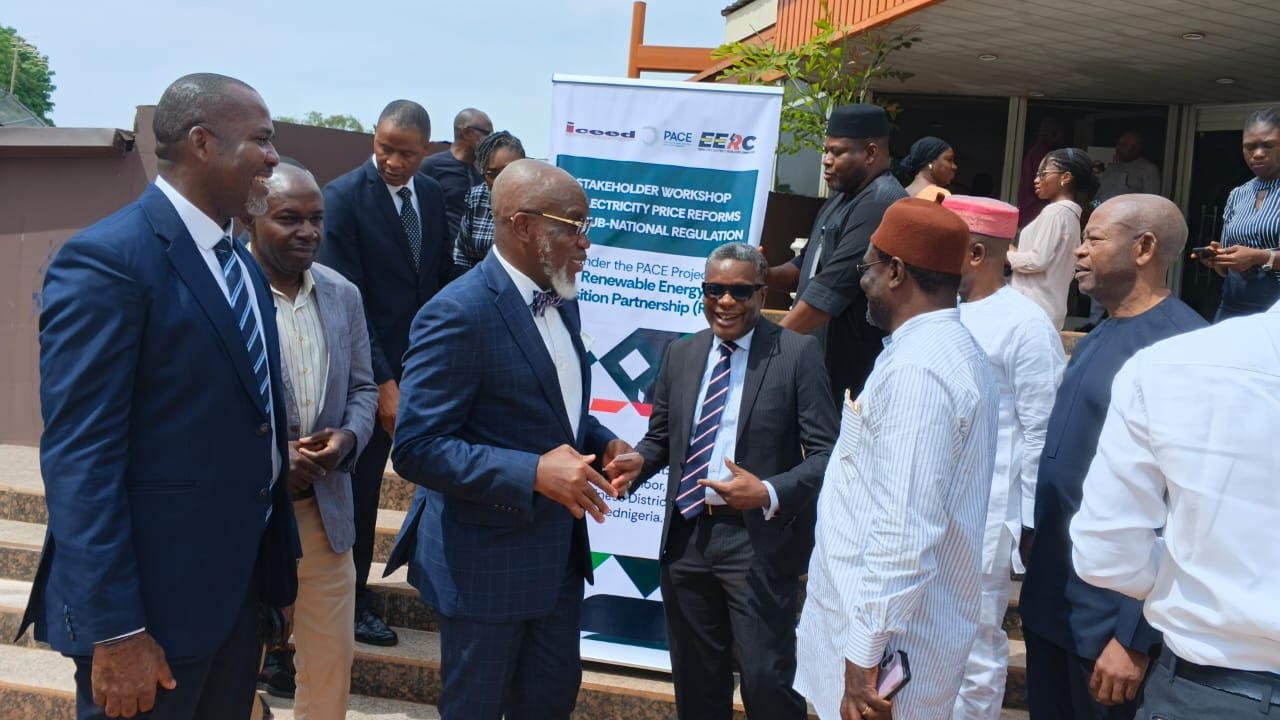
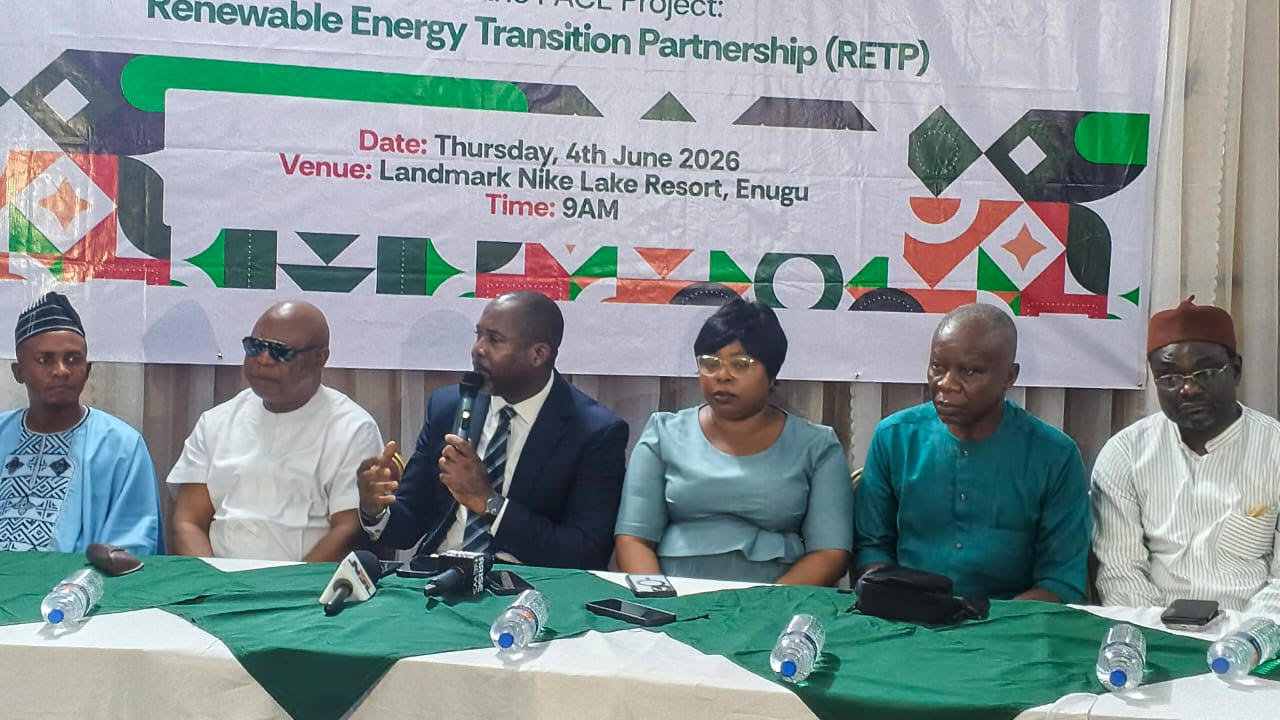
Stakeholders in Nigeria’s electricity sector on Thursday converged in Enugu to deliberate on electricity pricing reforms and sub-national regulation, stressing the need for sustainable policies that would improve power supply, attract investments and support economic growth.
The workshop, organised by the International Centre for Energy, Environment and Development (ICEED) in collaboration with the Enugu State Electricity Regulatory Commission (EERC) and supported by the UK Foreign, Commonwealth and Development Office (FCDO) Partnership for Agile Governance and Climate Engagement (PACE), was held at Landmark Nike Lake Resort, Enugu.
Speaking at the event, FCDO-PACE representative Ifeanyi Ugwuoke described Nigeria’s electricity challenge as a major obstacle to economic development, noting that energy poverty remained widespread across the country.
“We all need to agree on one thing: Nigeria has a serious problem, and one of the most serious problems in the energy sector is energy poverty. Recent surveys show that about 70 per cent of Nigerian businesses rely on self-generated power.
“The implication is that our cost of doing business is one of the highest in the world. Investors prefer environments where they can simply plug and play, and that is why we must confront the real issues affecting the sector,” he said.
Ugwuoke questioned persistent inefficiencies in generation, transmission and distribution despite years of reforms.
“After about 15 years of deregulating the distribution sector, we still have communities experiencing constant power interruptions. The question is why. Is it regulation? Is it pricing? Is it generation, transmission or distribution?
Other News
“These are the difficult conversations we must have. The opportunity before state regulators today is to unbundle these challenges and create transparent and efficient electricity markets within their jurisdictions,” he added.
Earlier, the Chairman and Chief Executive Officer of EERC, Chijioke Okonkwo, said electricity pricing remained central to the sector’s sustainability, warning that poorly structured subsidies often created distortions that discouraged investment and weakened service delivery.
“Electricity pricing is a key determinant of investment, operational efficiency, consumer benefits and the long-term viability of the electricity sector. While subsidies may be introduced to protect consumers, they can also result in market distortions, underinvestment in infrastructure, financial imbalances and challenges to service delivery,” Okonkwo said.
Declaring the workshop open on behalf of Governor Peter Mbah, the Secretary to the State Government, Prof Chidiebere Onyia, said the decentralisation of electricity regulation under the Electricity Act 2023 had created new opportunities for states to shape their energy future.
“The success of any electricity market depends fundamentally on its pricing framework. A well-designed pricing system must strike a delicate balance between affordability for consumers, cost recovery for operators and the long-term sustainability of the sector.
“The decisions made today will have far-reaching implications for households, businesses, industries and future generations,” Onyia stated.
He urged stakeholders to embrace innovation and collaboration in developing reliable, affordable and sustainable electricity markets across the country.