Follow Us on Google
By Merit Ibe
The global water crisis is increasingly being defined not just by scarcity, but by a massive financing shortfall that continues to stall infrastructure development, widen inequality, and limit economic potential, the Organised Private Sector in Water, Sanitation and Hygiene (OPSWASH) has warned.
As global attention turned to water sustainability during World Water Day (WWD) 2026, stakeholders said the sector’s most pressing challenge is a staggering annual funding gap estimated at $140.8 billion, an imbalance that highlights why millions of Nigerians and most developing countries still lack access to safe and reliable water.
While total global spending on water infrastructure stands at about $164.6 billion annually, OPSWASH noted that the bulk of funding, over 85 per cent, comes from governments, with development partners contributing 6.9 per cent and state actors 5.9 per cent.
The private sector accounts for a mere 1.7 per cent, largely through donations rather than structured investments, leaving a critical gap that public resources alone cannot bridge.
The funding deficit, according to industry players, is at the heart of Nigeria’s persistent water access challenges, particularly in rural and underserved communities where infrastructure remains weak or non-existent.
Despite years of policy discussions and international commitments, including alignment with Sustainable Development Goal 6, progress has been slow, largely due to limited capital inflows and weak execution frameworks.
The implications extend far beyond access to drinking water. Water is a foundational input across agriculture, manufacturing, energy, and public health. Its scarcity raises production costs, disrupts supply chains, and constrains economic growth.
For households, unreliable access translates into higher living costs and increased exposure to waterborne diseases such as cholera and typhoid.
However, the burden of this underinvestment is not evenly distributed. Women and girls bear a disproportionate share of the crisis, often spending hours each day fetching water, time that could otherwise be used for education, income-generating activities, or personal development. This dynamic reinforces cycles of poverty and limits social mobility.
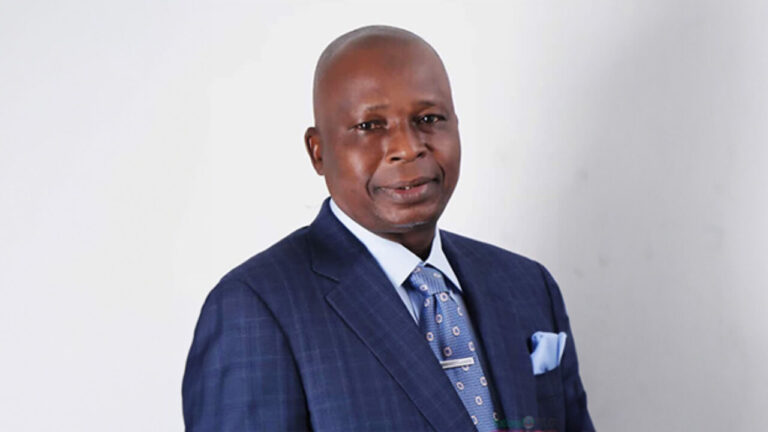
Global Head of OPSWASH and member of the Presidential Steering Committee on Sanitation, Dr. Nicholas Igwe, said addressing the funding gap is central to unlocking both social and economic gains in the sector.
He stressed that while awareness of gender disparities in water access has improved, meaningful change will remain elusive without significant capital mobilisation.
“Governments alone cannot close the gap. Private sector investment is critical to scaling infrastructure and ensuring sustainability,” he said, noting that current private participation remains too low to drive meaningful transformation.
Igwe advocated for a shift from donation-driven engagement to structured investment models that allow private players to participate in building and managing water infrastructure. According to him, public-private partnerships (PPPs) offer a viable pathway to improve efficiency, ensure maintenance, and attract long-term financing into the sector.
He also emphasised the need for stronger political will, noting that high-level government commitment, from the presidency down to ministries and agencies, is essential to creating an enabling environment for investors. Clear policies, regulatory certainty, and transparent frameworks, he added, would significantly improve investor confidence.
Beyond financing, Igwe highlighted the importance of inclusive governance, particularly the role of women in designing and implementing water solutions. He noted that women bring critical insights, leadership, and innovation that can help bridge service delivery gaps, especially in rural communities.
“Women must be involved at every stage, from planning to implementation and operations. A bottom-up approach that engages communities will deliver more sustainable outcomes,” he said.
Efforts are also underway to address water quality and access through multi-stakeholder initiatives. OPSWASH, in partnership with Nestlé Nigeria and the Federal Ministry of Water Resources, is set to roll out a national water quality campaign targeting 24 communities across Abaji in the Federal Capital Territory and Agbara in Ogun State. The initiative aims to improve water safety awareness, rehabilitate infrastructure, and introduce water harvesting systems for irrigation in farming areas.
The programme is expected to impact communities lacking access to safe water, currently estimated at over 113 million Nigerians, while also addressing public health concerns linked to unsafe water sources. It includes behavioural change campaigns, stakeholder engagement, and collaboration with professional bodies such as the Association of Professional Women Engineers of Nigeria (APWEN) to promote gender inclusion in technical solutions.
Development partners have also reinforced the urgency of closing the funding gap. UNICEF’s WASH Manager, Chiranjibi Tiwari, called for more data-driven and gender-sensitive approaches, including district-level assessments to better understand disparities in water access.
Similarly, UNICEF representative Enang Moma stressed that increased funding, stronger policy implementation, and improved data systems are critical to addressing systemic inequalities in the sector. She noted that women remain underrepresented in water governance structures, limiting the effectiveness of policies aimed at equitable access.
Citing findings from the World Water Development Report 2026, stakeholders warned that without urgent financial and institutional reforms, water scarcity could intensify, with projections indicating that up to three billion people globally may face severe water shortages by 2050.
For Nigeria, the path forward, experts note, hinges on closing the funding gap through coordinated action involving government, private investors, development partners, and local communities. Without this, stakeholders caution that the country risks deepening its water crisis, undermining economic growth, and perpetuating gender inequality.
As the WWD 2026 theme, “Where water flows, equality grows”, suggests, access to water is not just a basic necessity but a catalyst for inclusive development. However, until the financing deficit is addressed, that promise may remain out of reach for millions.