Follow Us on Google
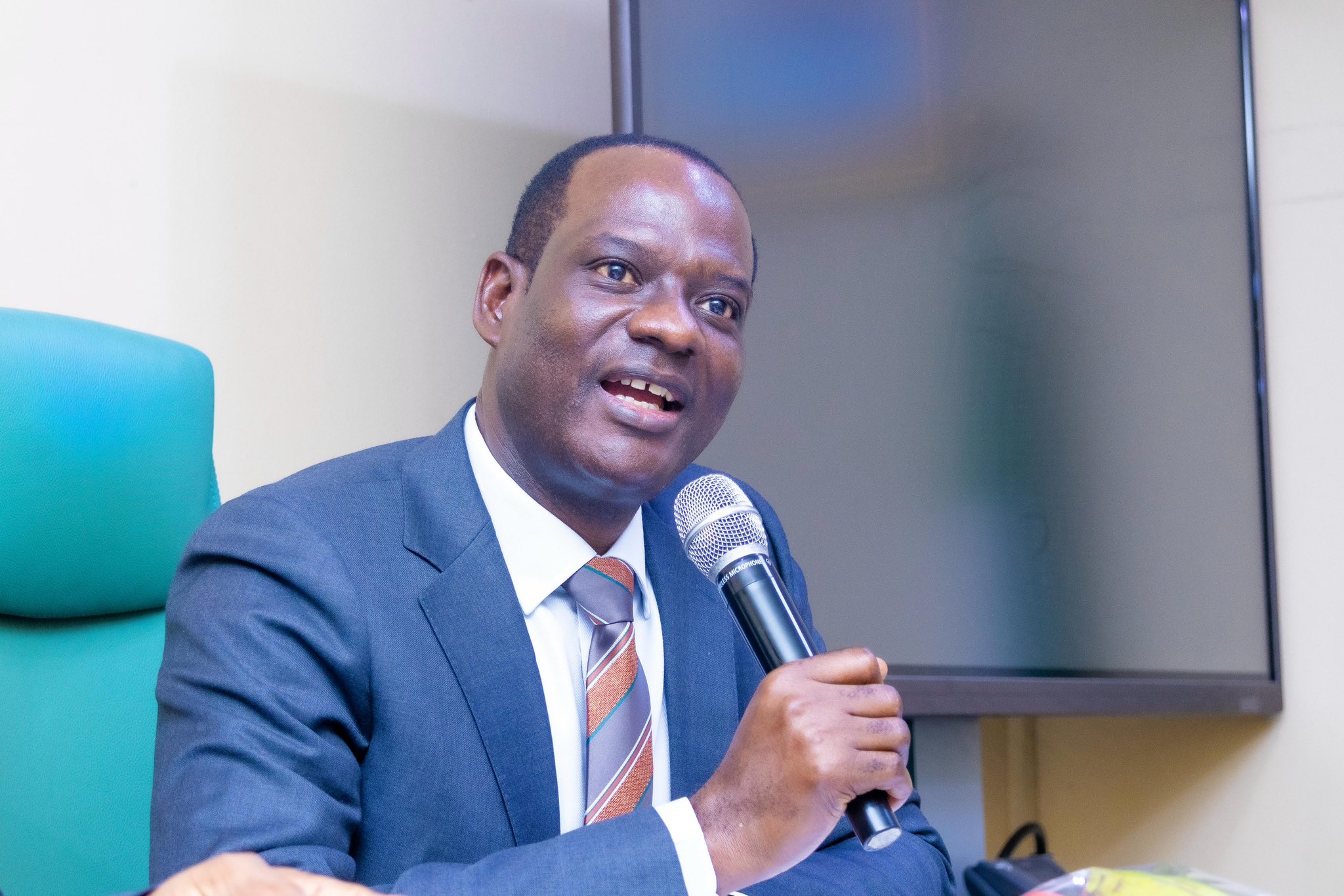
The federal government has pledged to publish a detailed account of how savings from the removal of fuel and foreign exchange subsidies have been utilised, amid growing public concerns over the impact of the reforms and persistent questions over the use of the funds.
Minister of Finance and Coordinating Minister of the Economy Mr Taiwo Oyedele gave the assurance on Thursday at the ongoing 7th Africa Emerging Markets Forum in Abuja after responding to concerns raised by the World Bank Group’s Chief Economist and Senior Vice-President for Development Economics, Indermit Gill.
Gill said that although the government had increased revenues, removed subsidies and narrowed the fiscal deficit, many Nigerians were yet to see tangible improvements in their living conditions.
“It’s not clear to people whether the savings and the additional resources have been spent,” Gill said, urging the minister to explain how the reforms had translated into better outcomes for citizens.
He also commended the Central Bank of Nigeria (CBN) for what he described as a “superb job” in bringing inflation down from above 30 per cent to below 15 per cent, but stressed that sustained progress would require stronger fiscal support from the government.
Responding, Oyedele admitted that questions about subsidy savings were legitimate and disclosed that the government would release a comprehensive analysis within days.
“There was a question about the subsidy savings. Where has it gone to? I’ve heard this question so many times. And guess what? It’s a valid question,” he said.
According to him, the combined impact of removing fuel subsidies and what he described as the “subsidy on foreign exchange” amounted to about five per cent of the country’s Gross Domestic Product (GDP).
“So where has the money gone to? In a few days, you will see the detailed analysis because we believe that we owe a duty to explain what we do to the Nigerian people. That’s what transparency looks like,” he said.
The minister explained that the reforms were introduced primarily to eliminate long-standing economic distortions rather than simply create fiscal savings.
He argued that many Nigerians assessed the reforms without considering the economic consequences of maintaining the previous subsidy regime.
Oyedele said a significant portion of the savings had been absorbed by rising debt servicing costs due to higher interest rates, implementation of the new N70,000 minimum wage and expanded social intervention programmes.
Other News
He cited the Nigerian Education Loan Fund (NELFUND), which he said had provided tuition support and monthly stipends to more than 1.5 million students.
The minister also defended the government’s decision to continue borrowing despite stronger revenue performance, explaining that improved revenue collection did not eliminate financing needs where expenditure remained higher than income.
“If you have a budget to spend 10 and you have a target of revenue of six, you need to borrow four. If you collect revenue of seven, you have exceeded your revenue target, but it doesn’t change the fact that you still need to borrow three,” he said.
Oyedele maintained that borrowing remained appropriate provided the returns exceeded the cost of the loans.
On concerns that the reforms had deepened poverty, the minister disagreed with the World Bank’s assessment, insisting that the rise in poverty reflected the unavoidable consequences of correcting years of economic distortions.
“The reform itself was a reset. We were living in fiscal illusions. So, we needed to stop deceiving ourselves so the country can move forward,” he said.
He added that the government’s next priority was to convert macroeconomic stability into higher productivity, job creation and shared prosperity.
Oyedele also disclosed that the Federal Government was developing a framework aimed at reducing the cost of capital without introducing fresh subsidies, saying the initiative would complement the CBN’s efforts to tame inflation while boosting investment in the real sector.
Also speaking at the forum, the Director of Statistics at the CBN, Dr Okpanachi Moses, said a new study by the apex bank showed that food price volatility and inflation reinforce each other across many Sub-Saharan African countries, limiting the effectiveness of conventional monetary policy.
Presenting findings from a study covering 36 countries, Moses said conflict-affected economies experienced weaker monetary policy transmission, with food price shocks feeding more rapidly into headline inflation. He noted, however, that Nigeria was classified among the region’s relatively stable economies.
He said households across many African countries spend between 40 and 60 per cent of their income on food, making food price shocks a major driver of inflation.
Moses urged central banks in conflict-affected countries to apply interest rate policies cautiously, arguing that restoring food systems and implementing structural reforms would often be more effective in containing inflation than relying solely on monetary tightening.