Follow Us on Google
By Steve Agbota, [email protected]
Globally, wreck removal is a thriving multi-million dollar industry, providing substantial economic benefits to maritime nations. Unfortunately, Nigeria, despite its vast maritime resources, has yet to fully capitalise on the lucrative potential of wreck recycling in its waters.
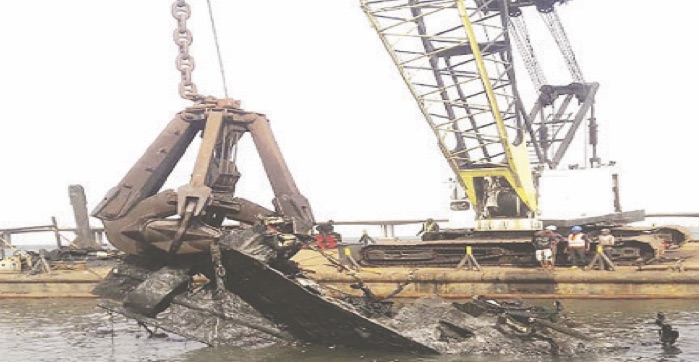
Nigeria’s waterways are currently home to an estimated 200,000 tonnes of steel trapped in abandoned wrecks, a treasure trove of raw materials worth approximately N30 billion if recycled. This vast reservoir of value, however, remains largely untapped, representing a missed opportunity for both revenue generation and industrial development in the country.
Beyond the financial windfall, the removal of these wrecks would significantly enhance maritime safety, ensuring safer navigation for vessels operating within Nigerian waters. Moreover, this initiative holds the potential to create thousands of jobs, particularly for the nation’s youth, addressing the critical issue of unemployment.
Recognising this potential, Dr. Bashir Jamoh, the former Director General of the Nigerian Maritime Administration and Safety Agency (NIMASA), took decisive action in 2021. He launched the wreck removal and recycling market in Nigeria, marking the beginning of a nationwide effort to clear these hazardous obstacles. This initiative, which commenced with the first phase of the wreck removal exercise, aimed to not only clear the waterways but also establish a sustainable recycling industry that could contribute significantly to the nation’s economy.
If fully harnessed, this effort could transform Nigeria’s maritime sector, turning what is currently a dangerous liability into a thriving economic asset. With proper management and investment, the wreck removal industry could position Nigeria as a leader in maritime safety, while simultaneously creating a robust new market for steel recycling and generating thousands of much-needed jobs.
Jamoh said NIMASA would issue a marine notice to the owners of abandoned vessels on Nigerian waters to pick them up.
“If ship owners did not remove the vessels after the expiration of the time frame, NIMASA will remove and auction those that are alive, and recycle those that are not alive,” he said.
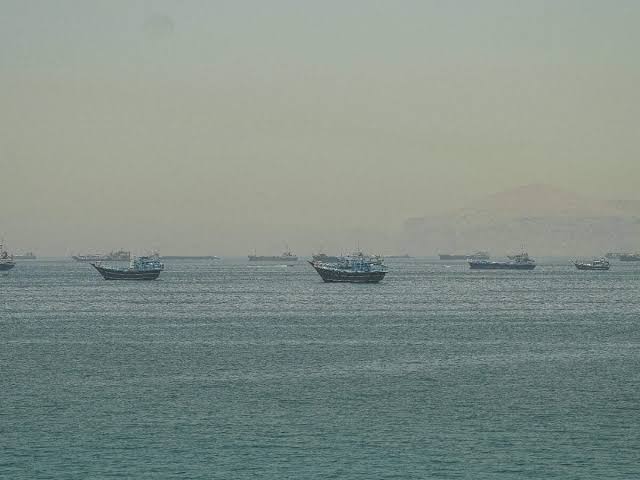
But today, there are tons of wrecks buried under the nation’s waters, which pose navigational challenges and are hazardous to the water transportation system.
Experts assert that the removal of wrecks presents a significant opportunity for Nigeria, potentially creating a robust value chain that includes numerous recycling plants and job opportunities for the nation’s youth. However, this potential remains largely unrealized due to a lack of serious government commitment to job creation and economic diversification.
Charles Okorefe, Advisory Head and Chief Executive Officer of Kamany Marine Services Limited, emphasised the vast business potential in wreck removal. According to Okorefe, despite its enormous promise, the industry has been largely ignored by the government, which has only offered token gestures rather than substantive support.
He noted, “One of the past NIMASA DGs, Dr. Bashir Jamoh, initiated the concept of wreck removal, but there seems to be an underlying politics hindering progress. Nigerian waters are rich with wrecks that could be serviced, recycled, and monetized. Wreck recycling is a flourishing industry in other parts of the world, particularly in Asia. Yet in Nigeria, political obstacles continue to impede this promising venture.”
Okorefe advocated for a strategic approach to address the issue, suggesting that a well-thought-out master plan for wreck removal, developed in collaboration with appropriate institutions, could greatly benefit the country. He highlighted that removing these wrecks would not only improve maritime safety but also enhance economic conditions. “Both for safety and economic reasons, it’s imperative that NIMASA devises a comprehensive program for wreck removal from our waters,” he added.
Gbenga Oyewole, a maritime expert and former Senior Special Adviser on Maritime Matters to ex-President Goodluck Jonathan, provided additional insight into the significance of wreck removal. He explained that wreck removal serves dual purposes: safety and economic gain. Oyewole distinguished between ‘critical wrecks,’ which are situated within navigation channels and pose significant hazards to ships, and other wrecks that, while not in the channels, still present dangers to smaller vessels and flying boats. He noted that these wrecks vary from partially submerged to fully submerged, each creating potential risks for maritime traffic.
The removal of wrecks from Nigerian waters offers a valuable opportunity to enhance safety and generate economic benefits. A proactive and strategic approach, led by the government and supported by relevant stakeholders, could transform this sector, turning hazardous obstacles into profitable resources while creating numerous job opportunities for the youth.
He emphasised that the danger posed by these wrecks cannot be underestimated, noting their potential for significant financial gain through proper removal. “The presence of these wrecks, and the way they have been handled historically, often stems from past practices where allocated funds for wreck removal were mismanaged. Contractors, paid by the government, frequently did the bare minimum—cutting only the parts visible above the surface while leaving the rest behind.”
He further explained that wreck removal in Nigeria faces additional challenges due to a lack of specialized equipment. “Many wrecks, especially those submerged in deep ocean waters or those that have been in place for extended periods, require highly specialized and heavy-duty equipment to remove. Unfortunately, such equipment is scarce in Nigeria.”
He proposed a solution, suggesting that the government could establish a ship recycling plant or yard. “There is substantial value in recycling these wrecks. A dedicated facility could transform old vessels into valuable materials like iron rods and high-quality steel plates, suitable for various applications. However, this potential hinges on effective government policy and oversight. If the government continues to fund removals without proper regulations, contractors may only perform minimal work to secure their payment, leaving many wrecks inadequately addressed.”
He concluded, “To fully harness the economic benefits and address the safety risks associated with wrecks, a comprehensive and well-enforced policy is essential. Only with this can we ensure that wrecks are removed thoroughly and efficiently, and that their potential is fully realised.”
He said if the government will give it to people that want to make money from it, the government can as well make more money rather than paying people.
“By asking people to go and remove it, you can also make an arrangement with such people to pay back certain amount of money to government. So it is not that you have dash it out to them, the government can as well begin to plan receiving money from the wrecks.
“When you remove them, you can have a sharing formula with them. That is one way I think it will benefit the government. Then, the second way is that if the government maybe through NIMASA and they are able to set up a ship recycling yard, it will mean a lot because it is not only that government make money from it but training of people, skill acquisition and employment could be generated from such things and it is sustainable. If NIMASA is looking in that direction, it is a good one,” he said.
The immediate past Executive Secretary of the Nigerian Shippers’ Council (NSC), Barr. Hassan Bello, said, “wreck removal is territorial between NIMASA, NPA and NIWA, it is under a jurisdiction and area of operation. If they are wrecks within the port unit for example, maybe NPA will have a role to play, so also wrecks within our territorial waters but the most important thing, these wrecks hindered navigation and that is really dangerous.
He said wrecks being removed can be also recycled, which can create employment, saying breaking and recycling of wreck or ship left behind is also a maritime activity that will bring out revenue and employment.
“We need a vibrant ship making industry in Nigeria. You know we have ship repair, shipbuilding and dockyard but we should have a standard one where ships will be recycled and this will add fortunes to Nigeria. The issue should be harmonised,” he added.