Follow Us on Google
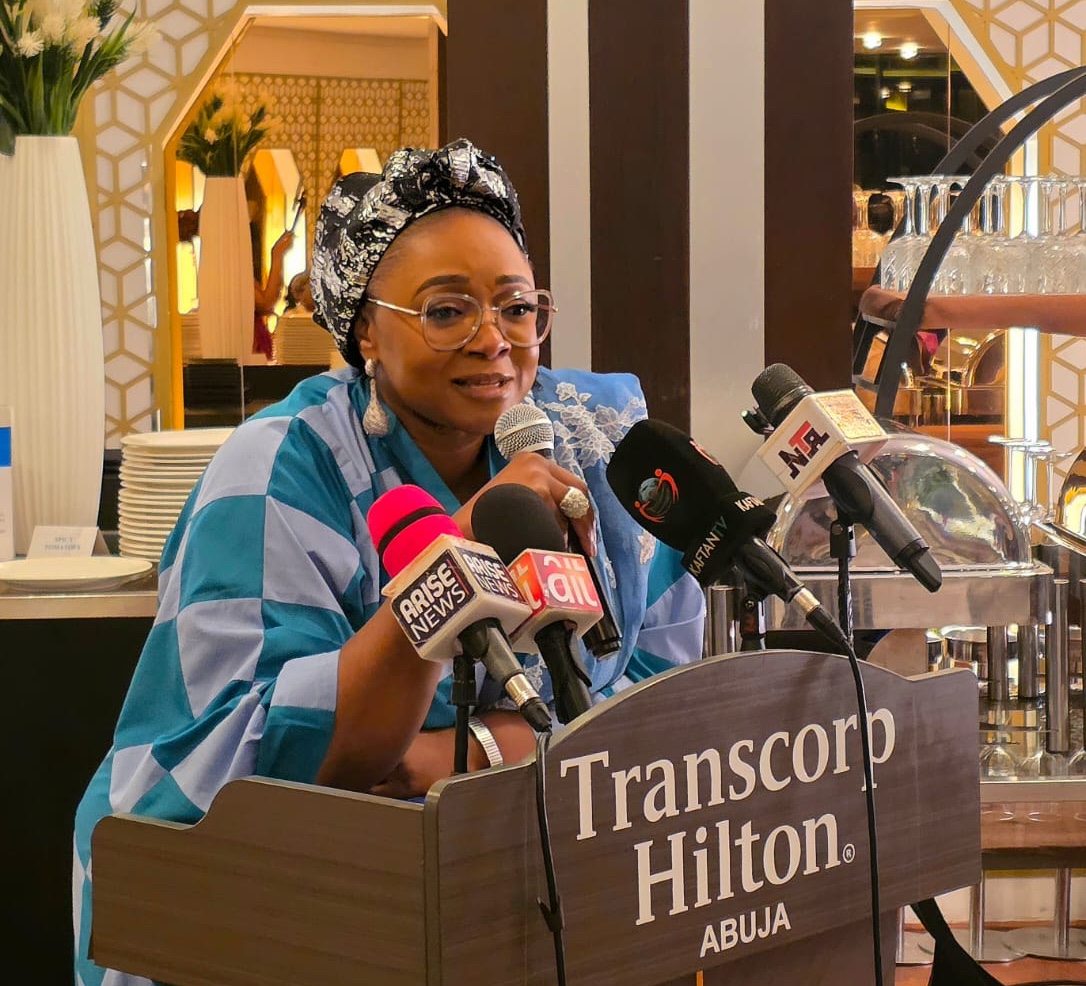
Women’s leadership is the strategic lever Africa must pull to profit from the African Continental Free Trade Area (AfCFTA) and accelerate post‑pandemic recovery, UNDP and Nigerian ministers told leaders at an Abuja summit on Tuesday.
The Women Leaders Networking Meeting, themed “Women Leading Africa’s Next Chapter” and convened by the United Nations Development Programme (UNDP) Nigeria with the ministries of Women Affairs and Foreign Affairs, pushed a single, urgent message: investing in women’s leadership is not optional. It is central to unlocking the continent’s growth potential.
“The question before us is no longer whether women should participate in Africa’s development—they already do. The more important question is whether Africa is creating the conditions that allow women to lead transformation at the scale our future demands, because the future we seek cannot be built by drawing on only half of our leadership capacity,” said UN Assistant Secretary‑General and UNDP Regional Director for Africa Ms Ahunna Eziakonwa.
Speakers argued that stronger, more inclusive leadership will directly strengthen institutions, deepen markets and speed innovation — outcomes needed if countries are to capitalise on the African Continental Free Trade Area and rebound from economic shocks.
“This is not only a gender conversation; it is a development conversation, because countries that fail to unlock the full potential of all their people inevitably limit the pace of their own transformation,” Eziakonwa added, linking political inclusion to economic performance.
“Eziakonwa pointed to practical tools already in motion: the African Facility for Women in Political Leadership and the Africa Academy for Women in Political Leadership, which drew more than 1,300 applicants from 41 African countries for its inaugural programme. “Africa does not lack women ready to lead. What we must do is continue investing in the institutions, networks and opportunities that allow them to do so,” she said.
On the economic front, she urged states to use AfCFTA and innovation platforms to scale women‑led enterprises. “The true measure of progress will not be how many remarkable women we can name, but whether remarkable women become entirely unremarkable because leadership has become genuinely inclusive,” Eziakonwa said.
UNDP Nigeria’s Resident Representative, Elsie Attafuah, described the gathering as a strategic platform for mentorship and collective action rather than a ceremonial reception. “Africa’s transformation will depend on the quality, diversity and inclusiveness of the leadership we build today,” she said, challenging participants to convert networking into a lasting movement that mentors future leaders and shapes policy long after the event.
Other News
“How do we strengthen the relationships that already exist, build new partnerships across sectors, mentor the next generation of women leaders and create a platform through which the collective wisdom, influence and experience gathered here can continue shaping Nigeria’s development long after this evening has ended?” Attafuah asked.
Nigeria’s Minister of Women Affairs, Imaan Sulaiman‑Ibrahim, said progress has been made, but large representation gaps persist across governance, diplomacy, industry and innovation. She described women as “Nigeria’s greatest assets” and urged stronger cross‑sectoral networks to drive governance excellence and economic diversification.
“Women remain under-represented in the corridors of power. Within our public institutions, diplomacy, industry and the portfolio of innovation, however, each one of us, in her own way, has broken the mould,” she said, highlighting initiatives such as the Nigeria for Women Project and the SCALE‑UP Programme. She noted that investments in women’s empowerment already exceed $540 million, with plans to scale funding beyond $2 billion.
Linking national problems to community resilience, the minister argued that stronger family systems would reduce insecurity and social ills. “Nobody dropped from the trees. Imagine if Nigerian families were strong. There would be no bandits, there would be no out‑of‑school children, and there would be no children suffering from malnutrition,” she said.
Speakers from state governments and civil society reinforced calls for concrete partnerships and targeted investments. Kwara State’s First Lady and Chairperson of Nigeria Governors Spouses Forum, Olufolake AbdulRazaq, pledged governors’ spouses’ support for health, education and economic programmes for women and children, urging deeper collaboration with development partners to reach rural and underserved communities.
Imo State’s First Lady and Chair of the Progressive Governors’ Spouses Forum, Mrs Chioma Uzodimma, praised Eziakonwa as an inspiration and said recognition of women leaders encourages broader ambition. “Her example shows the limitless possibilities available to women who lead with excellence and integrity,” she said.
Participants closed the meeting with commitments to deepen mentorship, fortify partnerships and build the institutional conditions that will let women lead at scale — positioning women’s leadership as the decisive factor in whether Africa’s next development chapter realises its economic promise.