Follow Us on Google

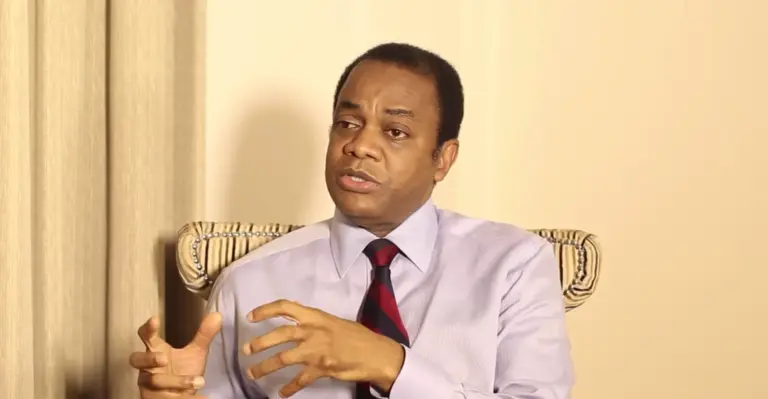
Lawyer and public affairs commentator Maxwell Opara has called on the Chief of Staff to the President, Femi Gbajabiamila, and other senior government officials allegedly linked to the fake Presidential Foreign Intervention Promotion Council (PFIPC) to resign or step aside pending the conclusion of investigations.
Speaking during an interview on ARISE News, Opara argued that public office holders under criminal investigation should not remain in positions where they could influence the outcome of a probe.
“There is an established crime. A fake agency was established. An office was given to the fake agency. An account was opened for the fake agency. Somebody was acting as a director in the fake agency,” he said.
According to him, while the alleged fake director has already been arrested, the same standard should apply to other officials named in the investigation.
“The Chief of Staff, the Head of Service and the Accountant-General are suspects. None of them is above the law,” Opara stated.
He faulted the decision to merely invite some of the officials for questioning while allowing them to remain in office.
“If you have arrested somebody, these other suspects should be arrested like the principal suspect. Nobody is above the law,” he said.
Opara maintained that stepping aside would help ensure the investigation is conducted transparently and without undue influence.
Other News
“One expected all of them that are suspects in this matter to step down. If you cannot resign, step aside,” he said.
He added, “You cannot be a judge in your own case. People will see it as though you want to use your office to influence investigators.”
Reacting to reports that the Chief of Staff planned to institute a defamation suit against the principal suspect, Opara described such a move as premature.
“Rushing to court to sue for defamation is a distraction. The priority should be to step aside and allow the investigation to proceed,” he said.
Addressing questions about evidence involving a deceased intermediary allegedly connected to financial transactions in the case, Opara said the courts would determine the credibility of the evidence based on testimony and documentary records.
“The court will decide based on the evidence presented, the testimony before it and the outcome of cross-examination,” he noted.
Opara concluded by urging anti-corruption agencies to demonstrate impartiality in handling the matter, warning that public confidence would depend on whether all those implicated were treated equally.
“If they want Nigerians to believe they are fighting corruption, they should treat everybody equally. Nobody should be made a scapegoat,” he said.