Follow Us on Google
…An economic burden, loss of millions of man-hours
By Doris Obinna
As Nigeria joins the rest of the world today to mark World Malaria Day (WMD), the country has become the second to approve the R21 malaria vaccine.
World Malaria Day is an international observance commemorated every year and recognizes global efforts to control malaria.
Globally, 3.3 billion people in 106 countries are at risk of malaria. In 2012, malaria caused an estimated 627,000 deaths, mostly among African children, a report shows.
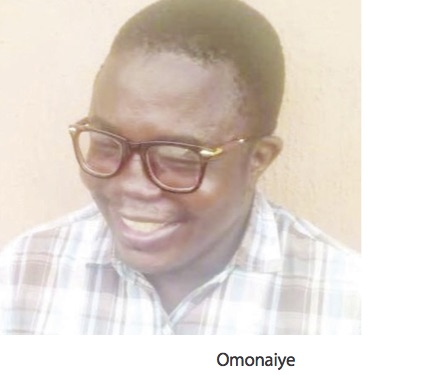
The malaria burden in Nigeria, according to medical director, God’s Goal Hospital, Lagos, Dr. Gabriel Omonaiye, is the greatest in the world.
“The figures are really frightening; 51 million cases and 207,000 deaths annually (approximately 30 per cent of the total malaria burden in Africa) and up to 97 per cent of the population being at risk.”
The 2023 WMD is marked under the theme “Time to deliver zero malaria: Invest, innovate, implement.” Within this theme, the World Health Organisation (WHO) is focusing on the third “I”, implement, and notably the critical importance of reaching marginalized populations with the tools and strategies that are available today.
Speaking further, Omonaiye said: “The WMD is a significant one considering the fact that malaria has killed millions of people over the millennia and is still killing till the present time. It has a heavy disease and economic burden, causing ill health and loss of millions of man-hours.
“The annual WMD is an occasion instituted by WHO to highlight the need for continued investment and sustained political commitment for malaria prevention and control.
“So, this year’s theme, “Time to deliver zero malaria: Invest, innovate, implement,” is in line with the original intention of instituting the WMD using the tools of economic, technological and human investments, continuous scientific and cultural innovations and their implementations to completely eradicate malaria.”
“The good thing is the R21 malaria vaccine is coming at the time that Nigeria and Ghana are starting the malaria vaccine. The governments of the malaria-endemic nations should continue to provide the support (technical, political, economic and social) to eliminate malaria,” he added.
Recently, the National Agency for Food and Drug Administration and Control (NAFDAC) approved the R21 malaria vaccine manufactured by the Serum Institute of India. This makes Nigeria the second country to approve the new malaria vaccine developed at the University of Oxford, after Ghana.
Director-general, NAFDAC, Prof. Mojisola Adeyeye, disclosed that the vaccine is indicated for the prevention of clinical malaria in children from five months to 36 months of age.
According to Omonaiye, “the R21 malaria vaccine is a recombinant adjuvanted vaccine produced by the Serum Institute of India Ltd; and the marketing authorization holder is Fidson Healthcare Ltd.
“It is to be administered at a dose of 0.5ml on children between the ages of five months and 36 months. It has been found to offer 75 per cent protection and the potential benefits outweigh the potential risks. At the first instance, 100,000 doses would be imported.
“So, the prospects are good but more quantities would be imported. It is a welcome development considering the heavy malaria burden that Nigeria has.”
According to WHO, malaria-affected countries and partners are strongly encouraged to deliver the WHO-recommended tools and strategies that are available now for all at risk of malaria, particularly those most vulnerable.
Also, with the latest World Malaria Report, countries have made some progress in expanding access to malaria services for most-at-risk populations. However, too many people at high risk of malaria are still missing out on the services they need to prevent, detect and treat the disease.
“Challenges in expanding access to malaria services have been compounded, particularly in sub-Saharan Africa, by the ongoing COVID-19 pandemic, converging humanitarian crises, restricted funding, weak surveillance systems, and declines in the effectiveness of core malaria-fighting tools.
“To address these threats and support countries in building more resilient malaria programmes, WHO recently published new guidance, strategies and frameworks; WHO has also increased the transparency, flexibility and access to its malaria recommendations.
“In addition to addressing the technical challenges facing implementation, there is a critical need to address the barriers people face in accessing quality health services. Investments in well-functioning health systems, built on a foundation of primary health care, can address people’s health needs close to where they live and work while, at the same time, reducing the cost of care and enhancing equity,” WHO disclosed.
Reports, however, show that the mosquito-borne disease kills more than 600,000 people each year, most of them children in Africa, and scientists have been trying for years to develop vaccines.
“Childhood vaccines in Africa are typically paid for by international organisations such as GAVI and United Nations Children’s Fund after they have been backed by the WHO, which is still assessing the vaccine’s safety and effectiveness.”