Follow Us on Google

By Bianca Iboma-Emefu
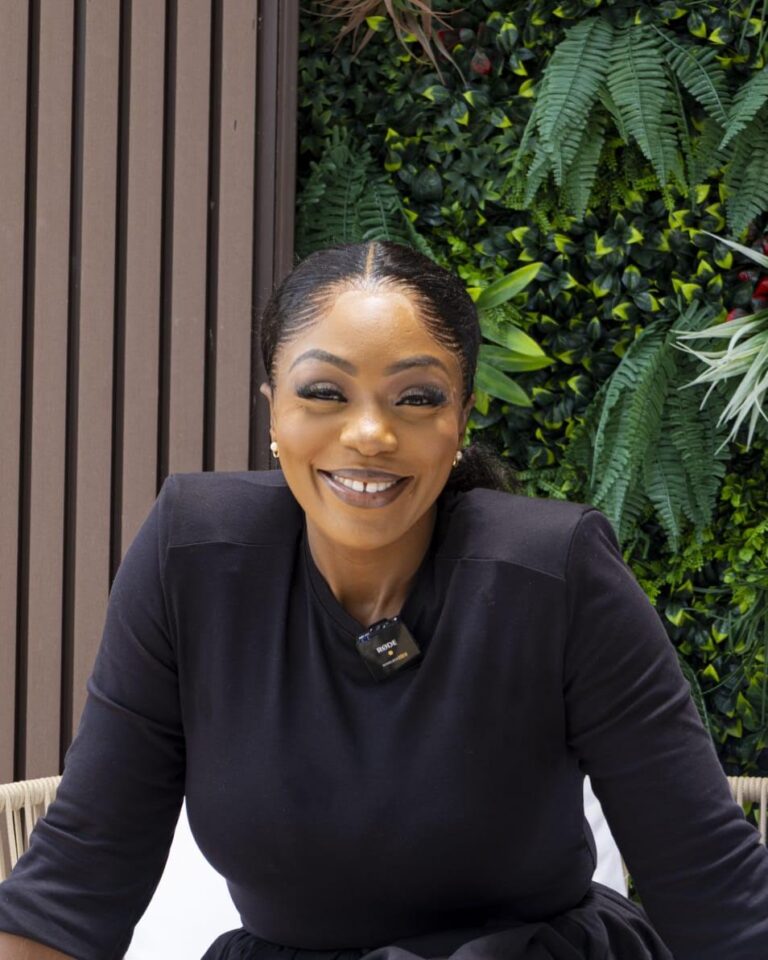
Adisa Risikat Adeola, convener, house of Rammah foundation quietly changed the lives of children roaming the streets during school hours when she registered 10 year old boy, simply named Ehije. Then, another three and the number grew slowly
Today, the foundation equips indigent children with school uniforms, sandals, books, and bags that restore dignity and confidence in Lagos, Osun, and Ogun states.
Looking at the widows’ plight, Adisa also took to empowering them with business support, cash, food, clothing and other necessities to help them feed their families and keep their children in school. Through consistent follow-up and an strong belief that no act of kindness is too small, Adisa has been able to bridge the gap between adversity and opportunity for children and widows
In this interview with Daily Sun, she shares the story of how a singular act of kindness to a 10 year old boy changed her trajectory
What first opened your eyes to the silent struggles of widows and out-of-school children in your community, and how did that moment turn into a lifelong calling?
It started from my shop. I noticed some children always roaming around during school hours. I began questioning them to understand why they were not in school. One particular boy, Ehije, was 10 years old and had never been registered in any school because his parents’ low income was barely enough to feed the children. With the consent of his parents, I made enquiries about government public schools, registered him, and the family was deeply appreciative. I went on to do the same for three other boys around my shop. My nephew noticed the boys coming to me for books and other school items. When he asked about the activities, I told him I simply wanted to give a little assistance to their families. That quiet observation from my shop became the seed of everything the House of Rammah Foundation is today.
When you look at a widow receiving support or a child wearing a new school uniform for the first time, what goes through your mind?
Seeing a student receive educational assistance and support for the first time fills me with pure joy and deep fulfillment. There is something indescribable about watching a child’s face light up when they put on a proper uniform or hold new books. It reminds me why we keep going.
You have empowered widows often in partnership with well-meaning Nigerians and companies. Can you take us into one of those empowerment programmes — what exactly happens from selection to the day of giving?
Our annual business support for widows and the elderly is one of the most life-impacting projects we run. The women look forward to it every year because it gives their businesses a real boost. This particular project where some of the widows are selected online, while others are chosen based on recommendations from people who know their situations intimately. From selection through to the day of distribution, everything is carefully organised so that the support reaches those who will use it productively.
How do you identify the widows who truly need help, and what criteria guide your decisions so that the support reaches those who need it most?
I personally recommend some women I already know as widows in genuine need. Others come through online channels, particularly via the Foodies and Spice platforms. We look for those whose daily struggles are clear and whose children are most at risk of dropping out of school.
Many of the widows you support go into small businesses such as grinding machines, kerosene trade, or petty trading. What kind of training or follow-up do you give them to make sure the empowerment is not just a one-day gift but a lasting change?
We do not just hand over items and disappear. We visit their business places three to four times a year. These follow-up visits allow us to see how they are managing, offer practical advice where needed, and encourage them to keep going. The goal is lasting change, not a one-day gift.
Tell us about a widow whose life was completely transformed through the foundation’s support. What was her situation before, and what is her story today?
It is not just one woman. Many of them are living testimonies today. Their stories of quiet resilience and gradual improvement continue to motivate us. When you see a woman who could barely feed her children now running a small trade that sustains her family, you understand the power of consistent, practical support.
In today’s tough economy, many widows are barely surviving. What specific challenges do you see them facing in the year ahead?
The basic challenge remains providing education for their children. Most of their income goes into daily feeding, leaving little or nothing for school fees, uniforms, or books. We respond by continuing our business-support programmes for the women and our educational-material distributions for the children, so that at least one burden is lifted.
From your experience, why is something as simple as a proper uniform so significant in the life of a child?
It is powerful because it is a necessity. A proper uniform encourages a child to feel confident and conscious of himself. Wearing a uniform for the first time is a big deal for a child who has never owned one. The smile, the self-esteem, the quiet confidence that appears on that child’s face is priceless.
Describe a typical “Back-to-School”— from planning to the moment the children receive their items. What emotions fill the air on those days?
Back-to-School and International Book Giving Day have become part of the culture at House of Rammah Foundation. We commemorate them differently: International Book Giving Day on Valentine’s Day, 14 February, and Back-to-School in September when the new academic session begins. We first identify schools and their most pressing needs—mainly stationery and school uniforms. We pick a date around school hours, obtain letters of approval from SUBEB, submit letters to the schools, and then we are good to go.
We print our exercise books, customize school bags, buy school sandals, gather two or three volunteers, and execute the project. The air on those days is filled with excitement, gratitude, and the pure joy of children who finally feel properly equipped for school.
Beyond the school items, how do you counsel or encourage the children and their parents about the value of education, especially for the girl child?
On International Day of the Girl Child, we go from school to school. We bring in different children’s advocates to counsel the pupils on the importance of education and self-awareness. We speak directly to both the children and their parents about the long-term value of staying in school, especially for the girl child.
Have you ever followed up on a child who received uniforms and books years ago? What became of any of them?
Yes, I have followed up on those who received uniforms, bags, and school sandals. For those on scholarship, to the glory of God, some have finished their secondary school education and gone on to vocational training. One of them, Daniel Adeyemo, is now in 200 level at the Federal Polytechnic, Ilaro, studying Building Technology. Stories like his keep us going.
Funding and logistics are always a challenge in humanitarian work. What has been your biggest obstacle in recent years, and how have you overcome it?
My biggest obstacle was a terrible accident I had in 2021 while returning to Lagos from Osun State. After that experience I almost decided I would never travel for any project again. But I overcame the fear and continued the work, though with greater caution and within my capacity.
How do you ensure transparency and accountability so that donors know their contributions are truly reaching widows and children?
I do not carry out any project sponsored by individuals or groups without sharing the entire process with them through videos. From planning to distribution, everything is documented and sent to the partners so they can see exactly where their support went.
What keeps you awake at night when you think about the widows and children still waiting for help?
The question of how to provide for their needs keeps me awake more nights than I can count.
Looking ahead, what is your biggest dream for this project in the future, especially concerning widow empowerment and educational support?
I would like to establish a tuition-free school and a vocational training centre for the less privileged.