Follow Us on Google
By Zika Bobby
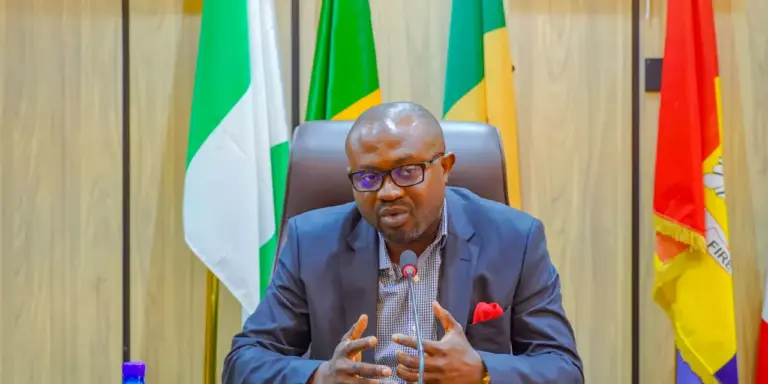
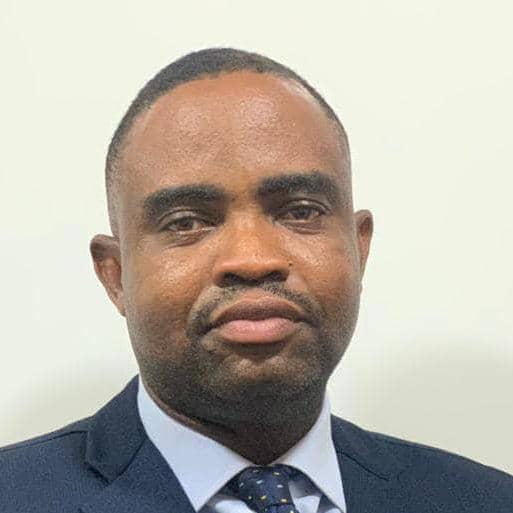
The Chief Executive Officer of Excellerate Business School and aspirant for the Lagos State House of Assembly (Apapa Constituency I), Dr Mike Oladunjoye Egbayelo, has declared that the 2027 presidential election is already a “done deal” for the ruling All Progressives Congress (APC).
The former Special Adviser on Education, Youth, and Sports for Apapa Local Government described President Bola Ahmed Tinubu as “magnificent” in handling the nation’s affairs.
Do you think the APC has done well in Lagos? Is it a political party for the Yorubas?
The All Progressives Congress (APC) has done remarkably well in lagos and has demonstrated what progressive politics should be Look at all the indices of governance,Lagos State under the APC has set an uncommon standard of excellence.
Look at massive infrastructural developments, lagos mega city Master plan,the THEMES agenda and so on . It has redefined what governance should be and other states are making Lagos a case study.
Don’t you think it’s time for Lagos to taste another political party?
Democracy thrives on competition of ideas, and it is healthy for citizens to ask such questions. However, elections should ultimately be decided not by party labels but by capacity, vision, and track record which I believe the progressive government in lagos has provided.
You don’t change a winning team.
What Lagosians want is effective governance, infrastructure, jobs, and security. If a party or candidate can convincingly demonstrate the ability to deliver these, they will earn the people’s trust.
For me, the focus is not simply about party politics; it is about service to the people of Apapa Constituency I. My campaign is built on practical legislative solutions for port communities, youth employment, environmental sustainability, and economic development.
If you are to rate the present administration of Bola Tinubu, how would you place it?
President Bola Ahmed Tinubu inherited a complex economic situation and has taken some bold decisions aimed at long-term economic restructuring.
Policies such as fiscal reforms, efforts to stabilize the currency, and attempts to reposition the energy sector reflect an effort to address structural challenges in the Nigerian economy.
However, every reform comes with short-term pain. Many Nigerians are currently facing economic pressures, and it is important that government continues to expand social protections, support small businesses, and improve purchasing power.
The president in my opinion is God sent to take us out of economic doldrums and to lay the foundation of a more prosperous and virile Nigeria.
Like I said the reforms may be tough but it’s like a refiners fire we will come out better and stronger.
Infact the economic indices are already showing
What are your Views on Women Emancipation?
I established a National Skills Qualification NSQ Training Center and with that platform we have empowered a lot of women with skills in various vocations My goal if elected a lawmaker will be to deepen various support platforms for women Encourage greater participation of women in politics and leadership Promote equal economic opportunities for women entrepreneurs Strengthen laws protecting women from discrimination and violence Expand education and leadership programs for young girls
I have already done a lot in that direction I mobilized over 3,000 young ladies of between 18-35 years in Entrepreneurship Development all over the nation, particularly in Apapa, Ikorodu, Badagry in lagos and other states such as Niger,Kaduna, Plateau and Kwara states.
Infact in Ogun State my business school trained over 500 women in skills such as Catering and Hospitality Management, Garment making, Leather Work etc So for me it’s a continuous process.
Other News
What is one specific bill you intend to sponsor within your first 100 days that directly addresses the unique needs of Lagosians?
Within my first 100 days in the Lagos State House of Assembly,as a certified shipper and a Felow of the Certified Institute of Shipping of Nigeria,I intend to sponsor the Lagos Port Host Communities Environmental Sustainability Bill.
This bill will dwell more on ensuring that Maritime organizations inculcate Sustainability and ESG components in their operations and are accountable to the host communities of Apapa,Lekki, Ikorodu and Badagry
Apapa is the gateway of Nigeria’s maritime economy, yet residents bear the burden of congestion, pollution, and infrastructure strain caused by port activities.
The bill will focus on establishing sustainable logistics corridors for port traffic, creating an Environmental Remediation Fund for host communities, mandating structured truck scheduling and digital traffic management, promoting green logistics practices in line with global ESG standards, and ensuring that a portion of port-related revenues supports local infrastructure and community development.This is a big issue that with the support of all stakeholders we will drive to ensure that Apapa community and other port communities begin to benefit from the presence of the ports in its domain because currently the council generates zero income from the ports
This legislation will help restore livability in Apapa while preserving its economic importance.
Lagos often faces friction between State and Federal laws. How do you intend to navigate matters on the Concurrent List, such as electricity or transport, to ensure Lagos has more autonomy?
Nigeria operates a federal system, and the Concurrent List provides an opportunity for states to exercise initiative.
Lagos has historically been innovative in areas like transport management and urban planning. My approach will be to support legislation that maximizes the powers already available to states while encouraging constructive collaboration with federal authorities.
For example, strengthening state frameworks for electricity generation and distribution, expanding urban rail and multimodal transport regulation, and encouraging public-private partnerships in energy and transport infrastructure.
The objective is not confrontation but cooperative federalism that allows Lagos to function efficiently as Nigeria’s economic nerve center.
What mechanisms will you push for in the House to increase transparency in the state’s Internally Generated Revenue (IGR) collection and spending?
Transparency is essential for public trust. I will advocate for legislative measures that strengthen oversight of revenue-collecting agencies such as the Lagos State Internal Revenue Service (LIRS).
These mechanisms include quarterly public reporting of IGR performance, digital dashboards showing revenue collection and expenditure allocation, strengthening the Public Accounts Committee of the Assembly, mandatory citizens’ budget reporting, and independent value-for-money audits for major projects.
When citizens clearly see how their taxes translate into roads, schools, and healthcare, public confidence in government increases.
How will you ensure that the ministries and agencies (MDAs) you oversee actually implement the projects they are funded for, rather than letting them become abandoned projects?
Legislative oversight must be active, evidence-based, and continuous.
As a legislator, I will push for project performance monitoring hearings, mandatory quarterly implementation reports from MDAs, on-site legislative inspection visits, and performance-based budget approvals.
My professional background in policy development, economic research, and institutional management, including my work with Excellerate Business School, has trained me to focus strongly on implementation and measurable outcomes.
For Apapa residents, the issue is simple: projects must not remain on paper—they must be completed and functional.
In the complex political landscape of Lagos, how will you balance the interests of your party leadership with the primary needs of your constituents when they conflict?
Political parties provide the platform for governance, but the ultimate responsibility of a legislator is to the people.
My approach will be guided by three principles: dialogue – engaging party leadership and stakeholders constructively; evidence-based advocacy – presenting clear data and policy analysis to support constituency needs; and transparency with constituents – ensuring that the people understand the decisions taken on their behalf.
Leadership is about building consensus without compromising the welfare of the people you represent. For me, Apapa Constituency I will always remain the primary mandate.