Follow Us on Google
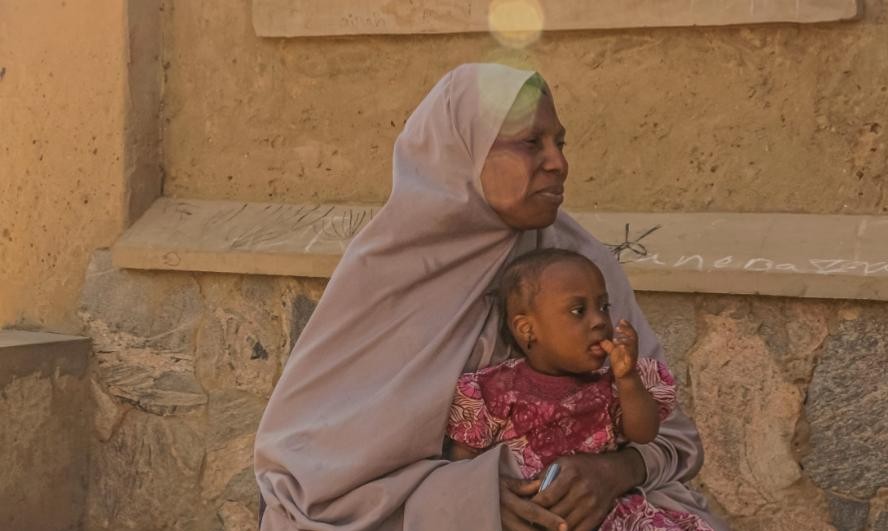
Why Nigeria’s fight for child survival must start with mothers
Nigeria cannot talk seriously about child survival without talking about maternal health. Healthy pregnancies and safe deliveries are only the beginning; and what happens to mothers and children in the months and years after birth often decides whether a child makes it to their fifth birthday.
In Nigeria, the latest Demographic and Health Survey shows that 110 out of every 1,000 children still die before age five, which is roughly one in nine Nigerian children. That is one of the heaviest under‑five burdens in the world, and it sits alongside a maternal mortality ratio that remains among the highest globally. The lives of women and their children are being lost along the same fragile continuum of care.
Clinicians see this linkage every day. Obstetrician and gynaecologist Dr Zeenaht Abdullahi puts it plainly: “In my experience, maternal health outcomes and survival of children in their early years are interwoven, where one significantly influences the other.
Mothers who are healthy during pregnancy and in the post-partum are able to provide hands-on care to their infant: ensuring the child has optimal nutrition by exclusively breastfeeding, cord care to prevent infection, and early detection of markers that might be indicative of a physical or neurodevelopmental anomalies. Healthier mothers have the physical and mental well being capacity to prevent, detect and subsequently seek care for children.”
Her perspective reflects what the data also show: when mothers are unwell, unsupported or constantly battling structural barriers, their children face higher risks of illness and death.
Yet once a “safe delivery” has been recorded, the system often looks away. Families return to communities where clean water is scarce, clinics are distant or under‑resourced, and preventable killers like pneumonia, diarrhoea and malaria are constant threats. Two women may leave the same facility with healthy newborns; months later, only one child reaches age five because only one mother could consistently access care.
Supporting mothers, therefore, is central to child survival. Evidence shows that simple, preventive interventions like exclusive breastfeeding, full immunisation, vitamin A supplementation, bed nets, and prompt treatment of common childhood illnesses, could avert most under‑five deaths if they were delivered reliably to the children who need them.
In high‑mortality settings like Nigeria, models suggest that scaling up these proven tools could save hundreds of thousands of young lives each year. But this only happens when health systems wrap support around mothers, not just at the moment of birth, but through the first five years of their children’s lives.
This is where initiatives like SARMAAN come in. The programme works through mothers in high‑risk communities to expand access to azithromycin mass drug administration for children aged one to 59 months, as part of broader child survival efforts.
Large trials in the Sahel, including Niger, have shown that biannual azithromycin distribution to young children can reduce all‑cause mortality by around 14–18 percent in very high‑burden settings. By building on the trust and contact points created during antenatal care, delivery and post‑natal visits, SARMAAN extends the promise of maternal care into early childhood. It also generates local data on coverage, safety and community acceptance to inform Nigerian policy.
Nigeria has less than a decade to meet global targets on maternal and child mortality. Treating maternal health and child survival as one continuous investment, and backing mothers through programmes like SARMAAN, offers a practical way to close the deadly gap between a safe delivery and a child’s fifth birthday.
Source: SARMAAN Advocacy team