Follow Us on Google
By Ngozi Nwoke
The World Health Organisation (WHO), and local nephrology studies have flagged Borno State in the North-East as having an alarmingly high prevalence of chronic kidney disease, with some communities reporting rates far above the national and global averages.
Health data indicate that in specific areas of Maiduguri metropolis, including the Guang community, roughly three in 10 individuals show signs of chronic kidney disease.
In peak areas of Borno State, local prevalence has been put at nearly 30 per cent. That compares to a national adult prevalence estimate of between 10 per cent and 19 per cent.
Elevated numbers have also been noted in neighbouring Yobe as well as in Jigawa State, according to researchers tracking the trend across the region.
Medical experts and health authorities say a significant portion of the severe cases recorded in the North-East fall under chronic kidney disease of unknown or non-traditional origins.
The pattern has prompted ongoing epidemiological investigations to understand the drivers beyond the usual risk factors such as hypertension and diabetes.
Nationally, the Nigerian Association of Nephrology estimates that about 10 per cent to 11 per cent of the overall Nigerian population lives with some form of kidney-related condition.
Authorities say further studies and targeted public health interventions are being considered for affected communities in Borno and surrounding states as work continues to identify the causes and expand access to screening and care.
The impact of the crisis is already visible in hospitals far from the epicenter, as about 500 kidney patients gathered at the Enugu State Teaching Park Lane. Among them were children of seven years old and above.
For many people, kidney failure still sounds like an adult problem. The images at the Enugu hospital showed a seven-year-old boy leaning on his mother’s shoulder, his ankles swollen. A 12-year-old girl sat quietly with a dialysis line still taped to her neck. A five-year-old clutched a small teddy bear while a nurse checked his blood pressure.
The disease is no longer just an adult disease in Nigeria. It is destroying the lives of children and robbing them of their childhood and future. With this number of people progressing to end-stage kidney disease and the fact that children are now part of that number, health workers and families say the situation demands urgent attention.
The income drain is devastating. Parents quit jobs to become full-time caregivers to their children suffering from the disease. Savings meant for school fees and university education go to creatinine tests and erythropoietin injections.
Doctors say the rise is not only about genetics. In the past, pediatric kidney disease was mostly linked to birth defects or rare inherited conditions. Now, clinicians are seeing a different pattern.
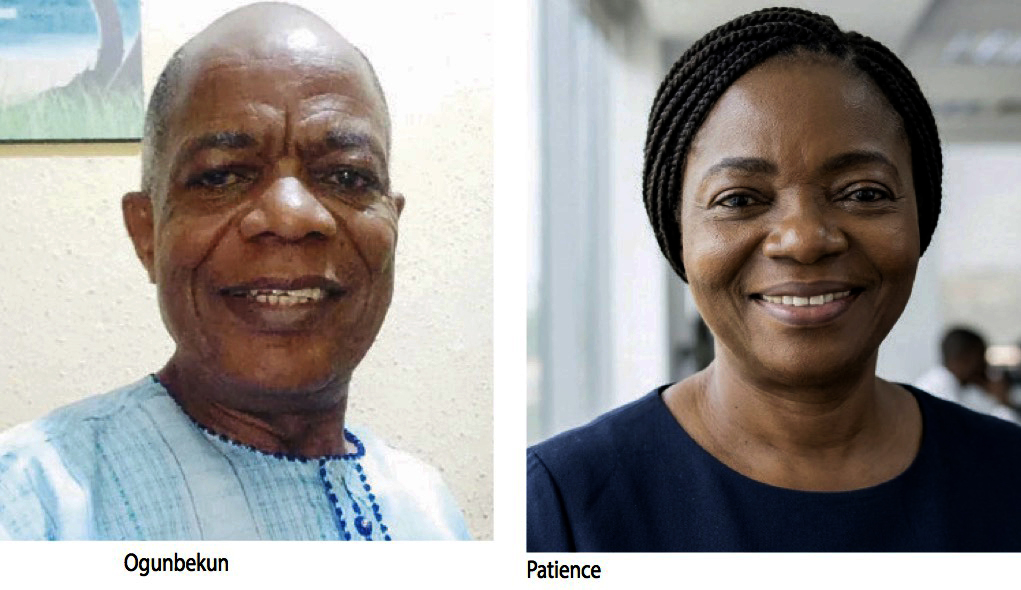
Patience Kalu, a consultant nephrologist at a teaching hospital in the South-East, described the rise of kidney disease in children as worrisome.
“First, what we are seeing with the rising cases of kidney, liver, and heart diseases is a mix of infections that were never properly treated, the abuse of medicines, and environmental exposures. Children come in with a history of repeated sore throats, skin infections, and malaria that progressed because they didn’t get complete treatment. Then, there is the prolonged use of unprescribed painkillers. Parents buy diclofenac or ibuprofen over the counter for fever and body pain and give it for days.
“Herbal concoctions are another big one. Many families go to traditional homes first, and the child takes unknown herbs for weeks before presenting to us. Some of these herbs are nephrotoxic. We also see toxic exposures from contaminated water and from children who help in small-scale work with chemicals. Add to that delayed diagnosis at the primary health centre level. By the time they reach us, many are already in stage four or five.”
On prevention, Kalu was direct.
“Preventive measures have to start at the community level. We need proper treatment of infections so that post-infectious kidney disease does not happen. Parents must stop self-medication. No more buying antibiotics and painkillers without a prescription. We must regulate herbal products and educate people that not everything natural is safe. Clean water and sanitation matter. We need routine screening in schools. A simple urine dipstick and blood pressure check once a year would catch many children early, before the kidneys are destroyed.”
Charles Akhimien, a public health physician who works with a non-governmental organisation supporting renal patients across three states, focused on what happens after diagnosis.
“Treatment options are limited, but they exist. For children, the options are conservative management with drugs, dialysis, and kidney transplant. Dialysis can be hemodialysis or peritoneal. The challenge is access. Nigeria’s resource-limited dialysis and transplant infrastructure was built for adults. What does twice-weekly dialysis look like for a 10-year-old? It means missing school, travelling long distances, sitting for four hours on a machine designed for a grown person, and dealing with low blood pressure and cramps.
“Peritoneal dialysis is gentler for children and can be done at home, but the consumables are expensive, and most centres don’t offer training for parents. Transplant is the best long-term option, but donors are scarce, and the cost is prohibitive. To access care, families first go to a tertiary hospital with a renal unit. They need a referral and lab work, and then they are placed on a waiting list. Some get support from NGOs or church groups, but most pay out of pocket.”
Other News
On government efforts to attend to the high number of patients with the disease, Akhimien noted small steps but large gaps. “There are efforts, yes. The National Health Insurance Authority (NHIA) has started including some dialysis sessions in its packages, but the coverage is not enough, and many states are yet to domesticate it. A few teaching hospitals have paediatric dialysis machines, but they are not enough for the demand.
“There are advocacy groups pushing for a renal registry and for subsidies on transplant. We need a national policy that prioritises paediatric kidney care, funds more paediatric nephrologists, and makes dialysis and transplant more affordable. Without that, children will keep dying on waiting lists.”
Fola Adeyemi, a nutritionist who runs a clinic counselling renal patients in Lagos, faults the diet choices of people. She noted that most parents often don’t know that food can help or harm their children.
“Diet and lifestyle can absolutely cause kidney problems in children, especially when combined with other factors. Too much salt in packaged noodles, seasonings, and snacks puts strain on the kidneys and raises blood pressure.
“Sugary drinks and processed foods contribute to obesity and diabetes, which are now appearing in teenagers. Herbal mixtures and ‘immune boosters’ sold in markets often contain heavy metals or substances that damage the kidneys over time. Low water intake is another issue.
“In school, many children don’t drink water because the toilets are bad, so they get dehydrated. Dehydration plus painkillers is a dangerous combination. For children already sick, we focus on a renal diet: controlled protein, low salt, limited potassium, and phosphorus, depending on the stage, and enough calories to support growth. But the bigger picture is prevention. Teach children to drink water, eat fruits and vegetables, avoid indiscriminate drugs, noodles, juice, and move their bodies. Parents and teachers need that awareness.”
Lagos-based medical doctor, Abayomi Ogunbekun also warned that early kidney disease in children is frequently missed because the symptoms look like normal childhood issues.
“Children with early kidney problems don’t usually complain about their kidneys. Parents and even doctors often overlook poor growth, fatigue, loss of appetite, and pale skin,” he said.
Ogunbekun listed other warning signs to watch for: swelling around the eyes and ankles, bedwetting in a previously dry child, foamy urine, blood in urine, very little urine in a day, headaches, and high blood pressure.
He advised that paediatricians include blood pressure checks and urine tests during routine visits, especially for children with a history of repeated UTIs or family kidney disease. For high-risk children, including those with sickle cell or diabetes, screening every six to 12 months is important.
“Finding things early gives us time to protect kidney function with blood pressure control, the right nutrition, and medications long before dialysis is needed,” he said.
From diagnosis, the medical doctor said families should immediately set up a care team with a paediatric nephrologist and renal dietitian and work with schools and social workers for support.
“The goal is for the child to keep going to school and growing normally while managing treatment,” he added.
Nigeria has fewer than 10 centres that regularly do paediatric dialysis, and transplant services for children are almost nonexistent locally. Most machines, chairs, and protocols were designed for adults. A 10-year-old on twice-weekly haemodialysis spends half a school week in hospital.
The vascular access is smaller, the fluid removal has to be precise, and the psychological toll is heavy. Some children develop anxiety around needles. Others ask why their friends are playing while they are on a machine.
Awareness is also poor. Many parents mistake early symptoms like swelling, fatigue, and poor appetite for malaria or worms. Teachers rarely know what to look out for at school. There is no routine childhood screening in most public schools. By the time a child reaches a nephrologist, the damage is advanced.
In Guang, a community in the Maiduguri metropolis, studies have shown alarmingly high rates of chronic kidney disease, with some reports suggesting up to nearly 30 per cent locally. While the North-East picture is complicated by conflict and displacement, doctors say similar cases exist elsewhere: infections, toxins, and late presentation.
For children, growth is stunted, bones weaken, anaemia sets in, and cognitive development slows down. Health advocates argue that the country cannot afford to keep treating kidney disease as an adult problem.
Children are now in the statistics. That means paediatric dialysis units in more geopolitical zones, training for more paediatric nephrologists and nurses, inclusion of renal screening in school health programmes, and subsidies for kidney transplant within reach.
It also means public education about the disease, radio jingles in local languages, training for public health workers to check urine and blood pressure, regulation of over-the-counter drugs and community dialogue on the dangers of some herbal remedies.
Kidney failure has moved into Nigeria’s classrooms. It is taking attendance in hospital wards instead. Until the health system catches up with infrastructure, funding, awareness, and early detection, more children will mostly join the already alarming queues.
The question is no longer whether children get kidney disease. The question now is what Nigeria will do before another generation loses its health, its education, and its childhood to a disease that, in many cases, could have been prevented or caught early.