Follow Us on Google
By Lawrence Agbo
Football jerseys are more than just pieces of clothing worn by footballers globally; they serve as an identity and a powerful symbol that connects sport with pop culture in a way few other pieces of clothing can.
Football jerseys play a significant role in pop culture, largely due to the identity they foster.
When someone wears a jersey, it’s about more than just backing a team. It’s a statement of loyalty, pride, and a sense of belonging.
A person in a Manchester United shirt or an FC Barcelona top is immediately tied to a broader community.
In places like Nigeria, donning a Super Eagles jersey carries even deeper meaning; it reflects national pride and evokes memories of unforgettable football moments.
Music has significantly shaped the way football jerseys are perceived in popular culture. Hip-hop, grime, and Afrobeats artists have embraced them as key elements of their style.
What was once just for the stadium is now a streetwear staple. Think of Burna Boy, Wizkid, Drake, and Stormzy; they’ve all sported football shirts, turning them into fashionable statements.
This shift has made jerseys not just cool but also stylish and culturally relevant, transcending the game itself.
Classic football jerseys hold a special kind of value, not just about supporting a team, but they also evoke emotional attachment, and people wear these shirts to relive memories.
Take the iconic 1994 Nigerian kit, for example. Or those old AC Milan shirts from the Opel days.
Classic Arsenal F.C. kits featuring JVC also come to mind. Each one sparks thoughts of legendary players and unforgettable matches.
Much like vintage band T-shirts, these jerseys weave stories. They link us to significant moments in the past.
Fashion brands have played a big role in transforming football jerseys into symbols of luxury and lifestyle.
Collaborations with names like Nike and Adidas, alongside clubs such as Paris Saint-Germain F. C., have elevated these kits to something you might see on a runway.
Nowadays, you spot jerseys paired with cargo pants, designer sneakers, oversized denim, and even formal attire. They have evolved beyond mere sportswear; now, they’re bold fashion statements.
Certain jerseys achieve legendary status due to the moments tied to them.
Think of Diego Maradona in 1986 or Zinedine Zidane in 1998. And then there’s Lionel Messi, lifting the World Cup in 2022. Those jerseys transform into symbols of football history.
In Nigeria, for instance, Jay-Jay Okocha turned the green-and-white jersey into something iconic for many. It is more than just fabric; it is about memories and stories that resonate deeply.
Social media has amplified this phenomenon. Platforms such as Instagram and TikTok have transformed jersey collecting into a vibrant culture.
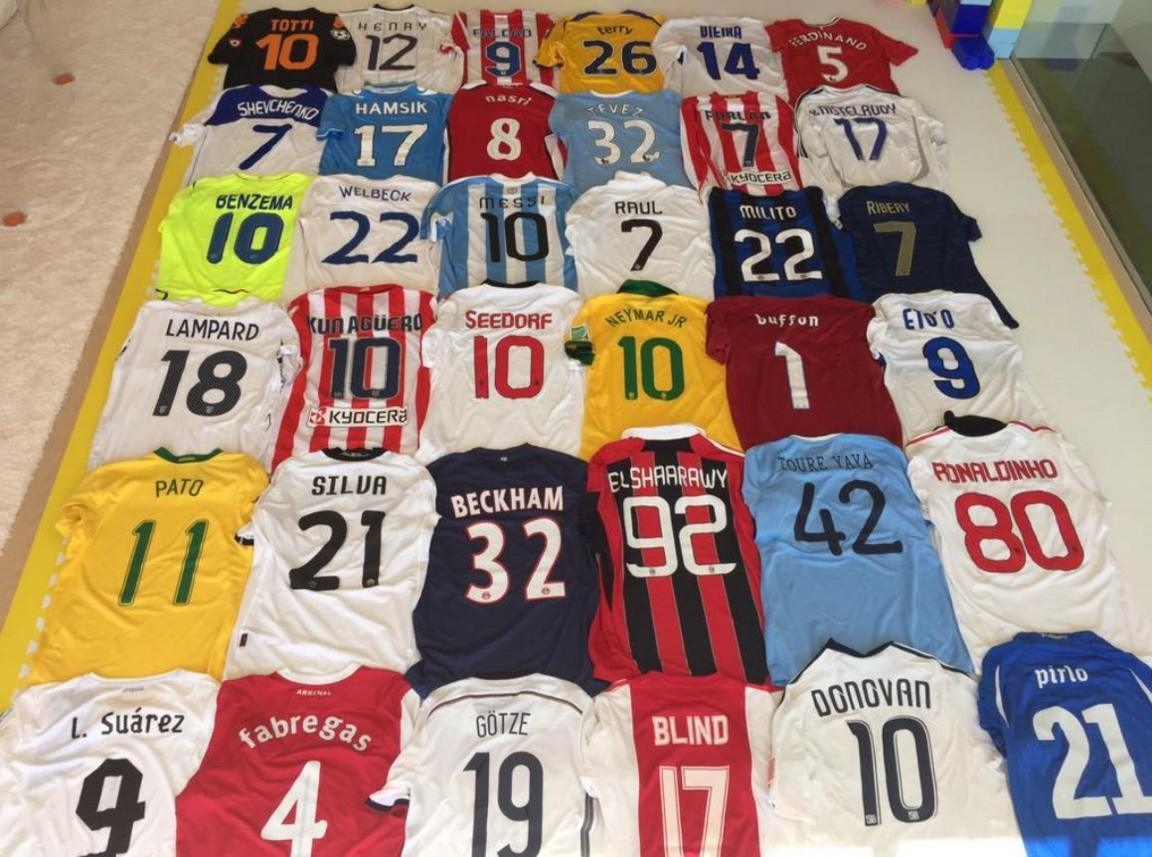
Limited-edition releases, hard-to-find vintage kits, and curated archive collections are now regarded as symbols of status—akin to coveted sneakers or high-end bags.
Having the right jersey? It can express one’s taste, showcase knowledge, and reflect cultural awareness.
Ultimately, football jerseys hold significance in pop culture because they blend sport, fashion, music, and identity.
They aren’t just for playing—they’re made to be noticed, remembered, and appreciated.
A football jersey transcends the game; it’s woven into the very fabric of our culture.