Follow Us on Google
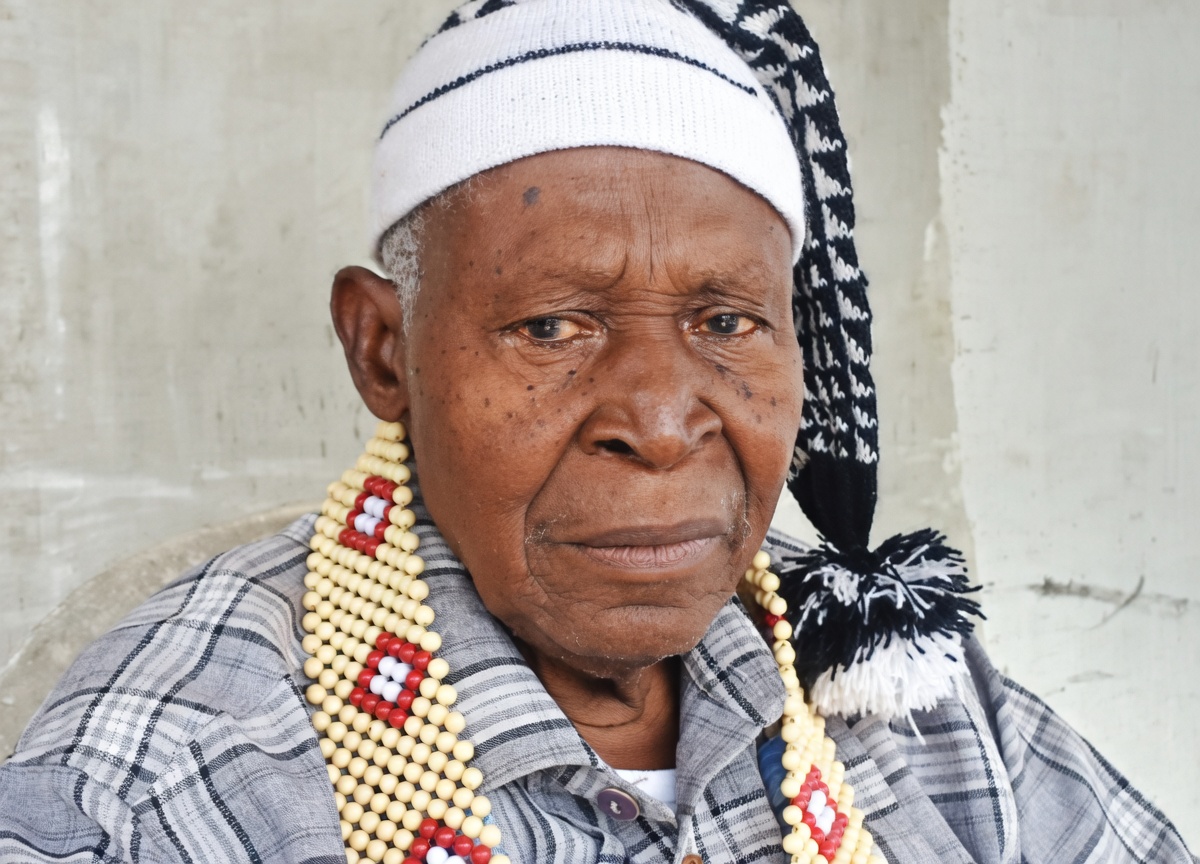
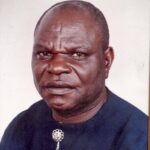
Osuu Ezeogo Sylvester Chima Oduko (Nma 1 of Idima Edda Kingdom) is the traditional ruler of Idima Edda Autonomous Community in Edda Local Government Area of Ebonyi State. His community has had an intractable land dispute with the Amasiri clan in Afikpo Local Government Area of the state, leading to killings and destruction. In this interview with select journalists, the elder statesman and former Permanent Secretary in the Ebonyi State Civil Service provides a historical account of how the Edda people settled in Okporojo; speaks on the violence allegedly unleashed on his people; and explains why he continues to advocate peace despite repeated provocation.
Sir, could you briefly tell us about yourself?
My name is Osuu Sylvester Chima Oduko, the Nma 1 of Idima Edda Kingdom. I am 86 years old. I was born and raised in Okporojo village, which is now part of the Idima Edda Community in the Edda Local Government Area of Ebonyi State. My father was Osuu Robert Oduko Ude. I became the traditional ruler of the Idima Edda Community in 2020, succeeding my late uncle; Osuu Agha Oduko. My parents originated from Ndi Okoro in Amangwu Edda Community. The Idima Edda Autonomous Community consists of the villages of Okporojo, Ogiri, Ama Eta, Ugwu Elu, Ndi Egbe, and Akanto.
Could you share your journey in government alongside your traditional rulership?
Before becoming the traditional ruler of Idima Edda, I served in the civil service of the former East Central State of Nigeria. My first posting was to Udi, after which I was transferred to Ogidi in Anambra State. I also served in Imo State and later in Ohafia in present-day Abia State, receiving several promotions along the way. At one point, I was seconded to the Joint Admissions and Matriculation Board (JAMB) in Aba, where I served for three years before returning to the Imo State Civil Service. I was later appointed Permanent Secretary, and when Abia State was created, we moved to Umuahia, where I continued in that role. At the time, I was the youngest Permanent Secretary. When Ebonyi State was created, I transferred to Abakaliki. My first degree is in Business Administration, but in 1984 I decided to study Law, making me also a lawyer. I retired from the civil service in 1999. During the agitation for the creation of Ebonyi State, I played a significant role. Many of my people in Edda were initially reluctant to join the new state, but I persuaded them, and eventually we agreed to become part of Ebonyi State. Because of that contribution, I am today recognized as one of the founding fathers of Ebonyi State. Unfortunately, many of my colleagues have passed away and only about 10 of us remain alive. The current governor, Chief Francis Nwifuru, recognises our role and has continued to accord the founding fathers the respect they deserve.
So, at what point did the Ndukwe people of Amasiri begin incursions into Okporojo?
As we say in Edda, “Ndukwe Ekweghi Uto,” which means the Ndukwe people do not desire peace. No matter what you do, they are rarely satisfied. Historically, the Ndukwe people were the last group to settle in Amasiri, and by the time they arrived there was very little land available. Amasiri consists of five communities: Ndukwe, Ihie, Ohaechara, Poperi and Ezeke. A colonial officer named Mr. Wellington once wrote a report stating that the Amasiri people were few in number and had limited land. This explains why they have historically attempted to expand into neighbouring territories. At present, they have land disputes with several communities including Akpoha, Okporojo/Oso, Ehugbo, and Ibii. When the Edda people, together with Ihie and Akaeze communities, donated land to the East Central State Government for a forest reserve, the Ndukwe people were not part of the donation because the land in question was nowhere near their territory. The land donated was known as Ozara Oko-Ugwu, named after Oko-Ugwu, an Edda hunter and farmer from Ufueseni who first settled there. However, after the donation, the Amasiri people changed the name to Ozara Oka-Ngwu, claiming that Oka was an Amasiri name. The colonial authorities did not concern themselves with the naming dispute, since their interest was simply the land for the government project. It must be emphasized that Ndukwe people were never part of that land donation.
Other News
What role did the Ozara Oka-Ngwu plantation play in the present crisis?
The Ozara Oka-Ngwu plantation was later sold to an individual without any consultation with the Okporojo people, who are the rightful owners of the land. This decision by the then governor to vest land acquired from a community into the hands of a private individual triggered the current crisis. Since the conflict began, the person who bought the plantation has attended almost every meeting held by the boundary committee, and he has consistently aligned himself with the Amasiri side. This has reinforced the belief among the Edda people that he may be sympathetic to their claims or even supporting their agenda. His interest in the plantation appears to be a major factor fuelling the violent conflict that escalated in 2023. Before this illegal vesting of communal land to a private individual, the Okporojo people had never experienced such deadly clashes with the Amasiri community, particularly those resulting in loss of lives and destruction of property. This situation raises serious concerns about: the legality of the transaction, the role of interested parties in boundary discussions, the need for a fair and transparent resolution
Why did the Edda people not retaliate despite repeated attacks?
Our people are peace-loving and law-abiding. We believe in the rule of law and due process. Despite the provocations, we have refused to take the law into our own hands out of respect for the appeals of the state government to maintain peace. Instead, we have submitted all relevant documents and evidence to the Ebonyi State Ministry of Border Peace and Conflict Resolution because we believe the matter should be resolved constitutionally and legally.
We learnt that many people had been lost by your community in these attacks; could you state the number?
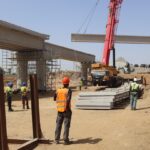
On the part of Okporojo alone, we have lost no fewer than 36 people since these attacks began. More than 100 houses have been burnt and other valuables, including vehicles and equipment used for the ongoing road project, have been destroyed or carted away. In the most recent attack, four of our people were killed and beheaded; one person was abducted and has not been seen since. We do not know whether he is alive or dead. On that day, many youths had gone to harvest palm nuts. The attackers took advantage of their absence to invade the village and unleashed violence on innocent people. Such acts, especially beheading, are barbaric and contrary to the culture of our people. It is deeply saddening.