Follow Us on Google

By Chinenye Anuforo
Africa’s push into artificial intelligence (AI) risks deepening inequality, unless governments deliberately integrate behavioural economics into technology policy and governance, Africa AI transformations coach and thought leader, Adeoye Abodunrin, has warned.
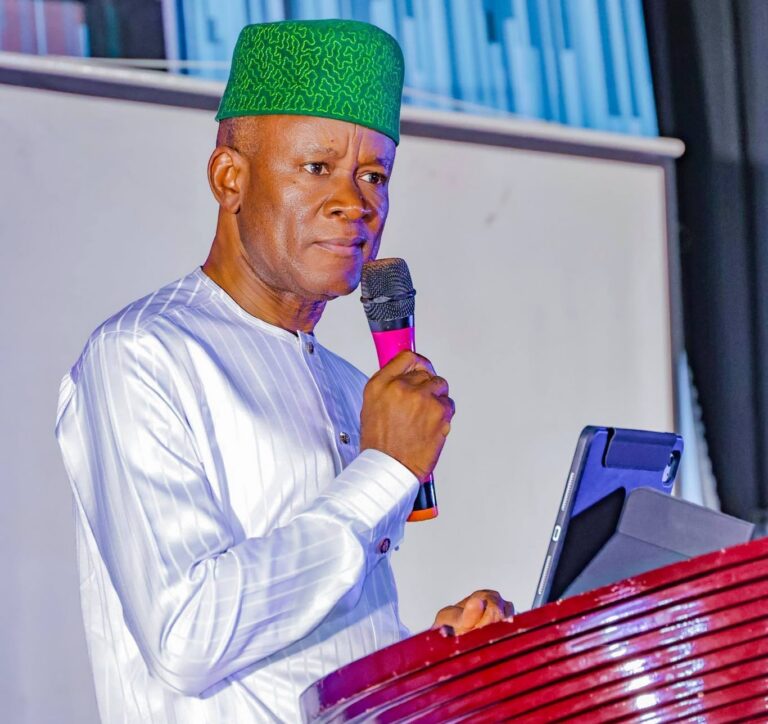
Speaking during a media briefing in Lagos, Abodunrin said Africa’s AI future must be shaped not only by advanced algorithms and digital infrastructure, but by a clear understanding of human behaviour, decision-making and socio-cultural realities that determine how technology is adopted and used.
“AI will only deliver inclusive growth in Africa if we design systems that understand how Africans think, decide, trust and adapt,” he said.
“Without behavioural economics, AI policies may look impressive on paper but fail at the level that matters most people.”
Abodunrin noted that many AI strategies across the continent focus heavily on technology acquisition while paying limited attention to behavioural incentives that influence adoption, productivity and trust in public systems.
According to him, behavioural economics offers governments critical tools to design AI-enabled policies that work in real African contexts, including digital identity systems, financial inclusion platforms, healthcare delivery, education, taxation and public service reform. “Africa does not suffer from a lack of ideas or talent,” he said.
“What we often miss is alignmentaligning technology with behaviour, culture and incentives. Behavioural intelligence is what turns AI from a shiny tool into a true development engine.”
Citing findings from the Google and Ipsos report, Our Life with AI: Helpfulness in the Hands of More People, Abodunrin said Nigeria is emerging as a global leader in AI adoption, with usage patterns showing rapid integration of the technology into learning, work, entrepreneurship and everyday problem-solving.
According to the report, 93 per cent of Nigerians use AI tools to learn and understand complex topics, well above the global average of 74 per cent. About 88 per cent of Nigerian adults have used an AI chatbot, compared with a global average of 62 per cent, while 91 per cent use AI to assist with work.
The data also showed that 80 per cent of Nigerians leverage AI to explore new business ideas or career transitions, nearly double the global average of 42 per cent. In addition, 91 per cent believe AI is positively impacting learning and access to information, with 95 per cent saying students and educators are likely to benefit.
“These figures show that Nigerians, especially young learners, professionals and entrepreneurs, are not just adopting AI at scale, but using it purposefully for growth and opportunity,” Abodunrin said.
However, he cautioned that high adoption rates also heighten the need for governments and institutions to design policies that reflect social realities such as trust, incentives, cultural norms and decision-making patterns unique to African societies.
“Behavioural economics helps us understand how people actually interact with AI systems and how policy choices shape outcomes across diverse communities,” he said. “Without these insights, AI strategies risk leaving behind the very people they aim to empower.”
He called on African leaders to embed behavioural frameworks into AI governance and regulation, invest in AI literacy and capacity building, and ensure that governance models reflect ethical, cultural and human values. He also urged support for locally relevant AI solutions that address real-world African challenges.
“AI should amplify African strengths, not widen global divides. When behavioural economics informs AI strategy, we unlock not just smarter technology, but smarter societies”, said.