Follow Us on Google
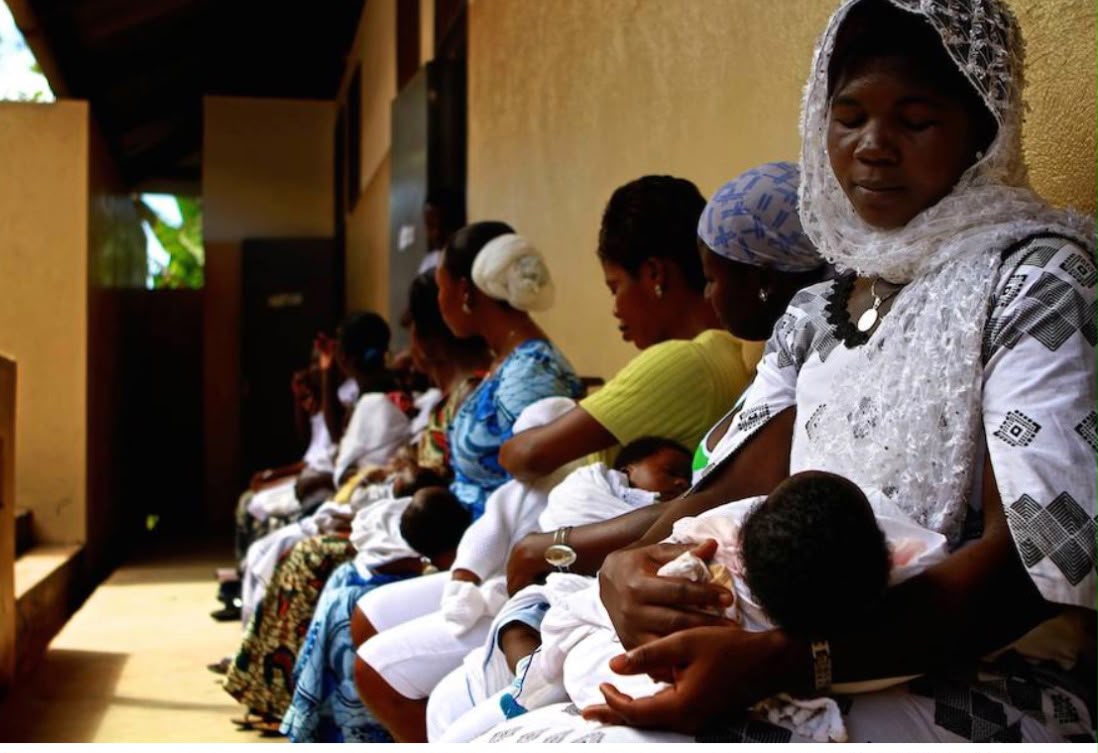
Nigeria’s latest health data tells a story of slow but real progress for children. Under‑five mortality has fallen from 132 to 102 deaths per 1,000 live births between earlier research and the 2023–24 NDHS, while immunisation coverage, exclusive breastfeeding, antenatal care attendance, skilled birth attendance and treatment‑seeking for childhood illnesses have all improved.
Yet, 102 deaths per 1,000 is still more than four times the Sustainable Development Goal target of 25. For policymakers and stakeholders gathering to shape the next phase of maternal and child health in Nigeria, the question is less whether progress is possible and more what it takes to make it routine.
One part of the answer lies in how the country has delivered child‑survival programmes at scale. More than 16 million children have now been reached through the SARMAAN (Safety and Antimicrobial Resistance of Mass Administration of Azithromycin in Children) Project across northern Nigeria, a milestone that says as much about system strength as it does about operational scale.
SARMAAN, is a child‑survival initiative that delivers supervised azithromycin to children aged 1–59 months in high‑mortality communities, through trained health workers and state primary health‑care systems, as part of a wider child survival package that still includes immunisation, nutrition, clean water and basic care. Its experience offers practical lessons for the wider maternal, newborn and child health agenda.
The first lesson is that saving children’s lives is a systems task, not just a clinical one. The improvement in under‑five mortality and service indicators is happening in a context where Nigeria’s health system remains fragmented, with federal, state and local authorities sharing overlapping responsibilities that can lead to duplicated efforts and disjointed delivery. SARMAAN’s operations show what it looks like when that fragmentation is managed rather than ignored. In the second quarter of 2026 alone, nine states successfully implemented house‑to‑house administration. Those rounds were only possible because procurement, logistics, financing, data systems, regulatory oversight, health‑worker training and state‑level coordination were aligned in advance.
Other News
The second lesson is that the “unseen work” is as important as the visible outputs. Public‑health success is often narrated in terms of bottles distributed or children reached. SARMAAN’s numbers are impressive on those terms, but the deeper value lies in how doses get from a central warehouse to a child’s mouth without eroding trust. Behind each round are state alignment meetings, last‑mile route planning, community dialogues, information materials, safety and pharmacovigilance systems, and fast feedback loops on rumours and concerns. Those are the same ingredients required for better antenatal care, safer births and stronger newborn care, which means the systems “muscle” built for one intervention can strengthen the MNCH agenda.
Finally, SARMAAN raises a constructive challenge for all of us: what happens when a child‑survival intervention proves it can be delivered at scale? Does it remain a time‑bound project, or does it become part of the permanent toolbox? As Nigeria’s under‑five mortality continues to decline, and as national plans and guidelines for maternal and newborn health are updated, the experience from SARMAAN suggests three collaborative priorities. First, integrate proven child‑survival tools into routine primary health‑care and child‑health strategies, so they are planned and budgeted for alongside immunisation, nutrition and WASH. Second, strengthen domestic financing so that continuity does not depend solely on external support. Third, keep investing in community trust, safety monitoring and data, so scale never outruns science or consent.
The improvements in child survival, breastfeeding, antenatal care and skilled birth attendance show that change is possible when policy, practice and partnership line up. SARMAAN’s delivery record is one piece of that picture, not the whole answer but a practical example of what coordinated, country‑led effort can achieve.
As Nigeria determines its next strategies for maternal and child health, the most powerful signal we can send is that programmes that work, and the systems that support them, are not temporary successes but building blocks for a future where mothers and children survive as a matter of course, not of chance.