Follow Us on Google
From Ndubuisi Orji, Abuja
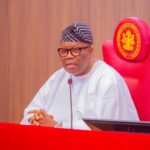
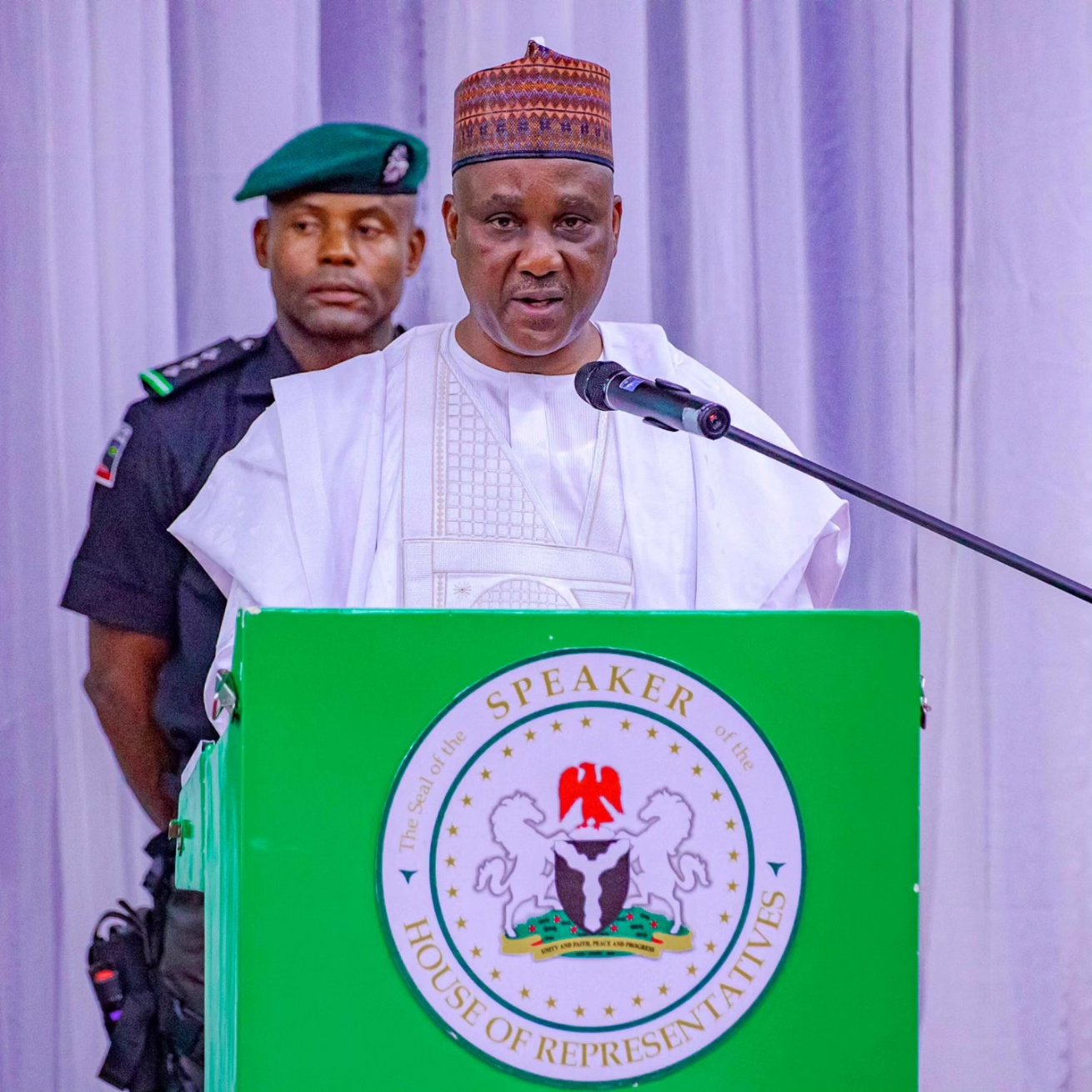
The speaker of the House of Representatives, Abbas Tajudeen, has that Nigeria must increase her intelligence capabilities to be able to combat the myriad of security challenges confronting the country.
Abbas stated this,on Thursday, while declaring open a public hearing organised by the House Committee on National Security and Intelligence,on three bills aimed at boosting Nigeria’s intelligence architecture.
The speaker, while commending the sponsors , noted that the proposed legislations represents a comprehensive move to strengthen the country’s security framework.
The proposed legislations are Bill for an Act to Establish the Department of State Services Trust Fund, Bill for an Act to Establish the Strategic Intelligence Management Institute and Bill for an Act to Provide for the Establishment of the DSS Research & Development Institute.
According to him, “across the country, challenges like terrorism, banditry, kidnapping for ransom, cyber threats, transnational crimes and other emerging security concerns continue to test our national institutions. In order to effectively confront these threats, we must improve our ability to gather, analyse and deploy intelligence in a timely and coordinated manner.
“A critical component of this is the issue of sustainable funding. Intelligence operations require consistency, flexibility and the capacity to respond rapidly to evolving threats. Our security forces operate in an increasingly complex and dangerous environment and require the support of certain resources—including modern equipment, logistics and welfare structures—in order to discharge their responsibilities effectively.”
He noted that “the proposed Department of State Services Security Trust Fund Bill represents an important attempt to move away from unpredictable and sometimes inadequate funding mechanisms towards a more sustainable framework that strengthens operational readiness and institutional effectiveness.”
According to him, the country cannot continue to demand outstanding commitment from security personnel, without first ensuring that they have the necessary tools and support they require in other to succeed.
Other News
Abbas added “equally important is the need to build indigenous capacity in security research, technology and innovation. While Nigeria frequently benefits from partnerships and the acquisition of external security technologies, the changing nature of modern threats requires that we increasingly develop solutions that respond specifically to our own realities, including our geography, demographics, languages and unique security challenges.
“The proposed Research and Development Bureau within the Department of State Services is therefore a critical step towards building a more proactive intelligence system. By investing in local expertise, technological innovation and evidence-based intelligence models, we strengthen our ability to anticipate threats, rather than merely respond to them. The future of national security lies not only in acquiring capabilities, but in developing them.
“We must also recognise the human element at the centre of every intelligence institution. Behind every intelligence report, every operation, and every strategic decision are men and women who require continuous training, professional development, motivation and institutional support.
“Taken together, these three Bills represent a comprehensive approach to strengthening our national security framework. They seek to provide greater capacity, promote innovation, enhance professionalism and ultimately deliver better outcomes for Nigerians.”
Earlier, the chairman of the committee, Ahmed Satomi, in his welcome address, explained that the three bills are intended to improve the funding and capacity of the intelligence security agencies.
According to him,”the bills before us seek to strengthen funding, build professional capacity, and enhance indigenous research capacity within our premier domestic security agency. No law made in isolation of the people it is meant to serve can stand the test of time. That is why you are here.”
Satomi added that the three bills are interlinked, noting that “one addresses funding, the second addresses professional training and coordination, and the third addresses indigenous capacity and technology. Together, they aim to position our intelligence agencies to better protect Nigerians and Nigeria’s national interest.”