Follow Us on Google
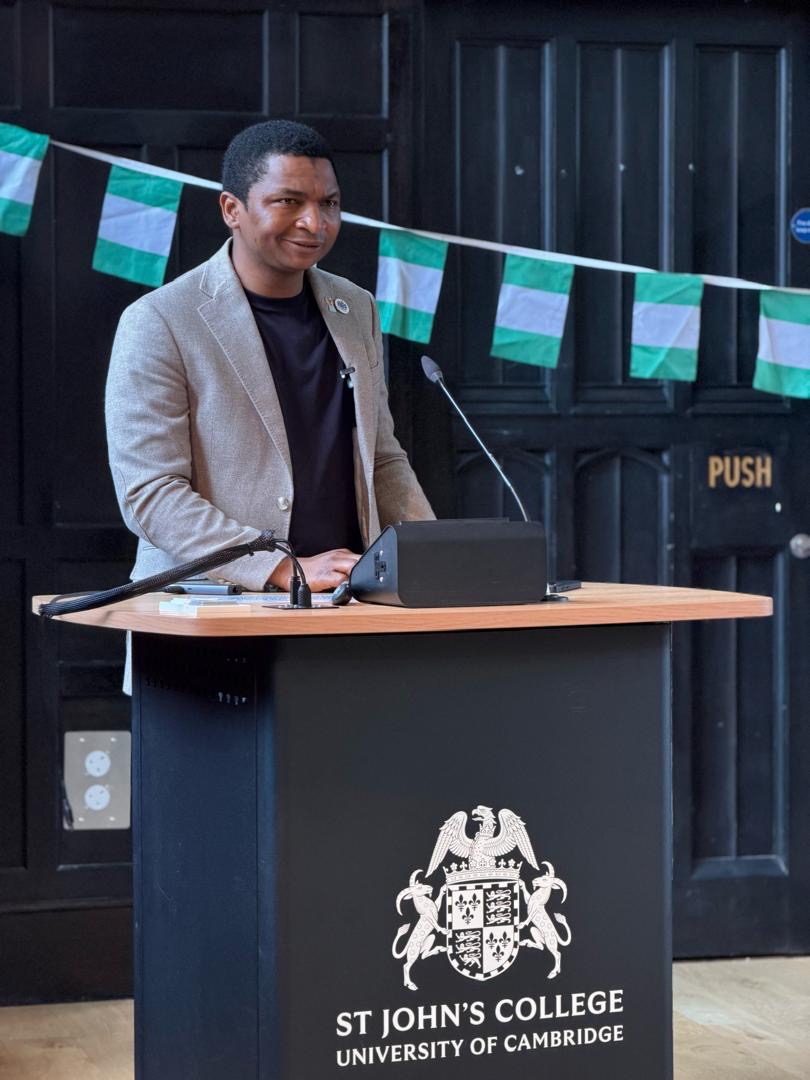
Nigerian civic activist and governance advocate Hamzat Lawal has called on young Nigerians to move beyond electoral participation and become active players in the country’s political process, arguing that meaningful change will require sustained engagement in leadership, accountability, and governance.
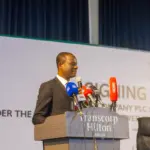
Speaking at the University of Cambridge on Saturday, June 20, 2026, during a Democracy Day event organised by the Cambridge University Nigerian Society, Lawal said Nigeria’s growing youth population possesses the numbers and influence needed to shape the country’s future but has yet to fully translate that potential into political power.
Addressing students and members of the Nigerian diaspora on the theme, “Beyond the Ballot: Leadership, Youth Participation & Nigeria’s Future,” Lawal reflected on his journey as an activist and the lessons he has drawn from years of civic engagement across the country.
He recounted travelling from Abuja to Bagega, a rural community in Zamfara State that drew national attention over lead poisoning incidents affecting children. According to Lawal, the experience highlighted what he described as a gap between public concern and government action.
“I travelled back to Abuja and started a campaign on Twitter with a hashtag called #SaveBagega,” he said, noting that the mobilisation of young people eventually contributed to the release of funding for intervention efforts.
Lawal said the experience later inspired the creation of Follow The Money, a citizen-led accountability initiative focused on tracking public expenditure and ensuring that government resources reach intended beneficiaries. He argued that questions surrounding public finance remain central to governance challenges in Nigeria.
“Where are funds coming from? Where are they going to? Most importantly, how do our leaders judiciously use this money?” he asked, while questioning whether citizens are receiving adequate value from increased taxation.
The activist also challenged members of the Nigerian diaspora to remain engaged in the country’s affairs, pointing to the significant volume of remittances sent home each year. He argued that financial ties alone should encourage greater interest in governance and public accountability.
A significant portion of his remarks focused on youth representation in politics and the campaign that led to Nigeria’s NotTooYoung To Run reforms, which lowered age requirements for elective offices.
Lawal recalled that early efforts to convince lawmakers were met with scepticism. However, he said a broad coalition of young Nigerians eventually succeeded in pushing for constitutional amendments that expanded opportunities for younger candidates.
“A lot of people thought it just happened. No, it took about 10 years,” he said. “We formed an alliance across the Niger and started this movement.”
He argued that young Nigerians often underestimate their collective influence, particularly given the country’s demographic structure.
“We have the numbers. We determine the outcome,” Lawal said.
While reflecting on his earlier years as an activist, Lawal said his understanding of power and political change has evolved. Rather than focusing solely on protest, he urged young people to participate directly in politics and public institutions.
“Power is actually created. And then, to ensure justice, you share power,” he said.
Concluding his address, Lawal encouraged young Nigerians to overcome their reluctance toward political engagement, arguing that previous generations who negotiated Nigeria’s independence were themselves young people.
“Why are we scared of politics?. Isn’t it better that we die and leave a legacy?” he asked.
Lawal is the founder of Follow The Money and Connected Development (CODE), organisations known for promoting transparency, citizen participation, and accountability across Africa.
His remarks at Cambridge come amid renewed debate over youth participation, governance reforms, and the future of democratic leadership in Nigeria.