Follow Us on Google
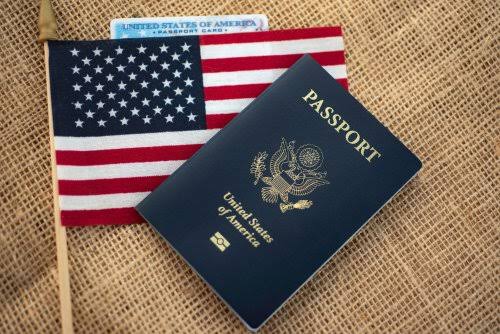
The United States has warned that citizens who owe more than $2,500 in unpaid child support risk having their passports revoked or denied under existing federal regulations.
The US Department of State said the measure applies to Americans who fall behind on child support payments, stressing that such individuals will not be eligible to obtain or renew a passport until their debts are cleared.
“Individuals with significant child support debt should contact their state child support agency immediately to make payment arrangements and avoid passport revocation,” the department said.
It added that: “If you owe more than $2,500, federal regulations do not allow us to issue you a U.S. passport and we may revoke your valid U.S. passport.”
According to the department, affected individuals will be formally notified through email or postal mail, depending on the contact details provided in their last passport application.
The agency explained that even when a debt is paid, a revoked passport cannot be used for travel, meaning the holder must apply afresh before they can regain travel rights.
Other News
“If you have urgent travel, be aware the process for your state and the Department of Health and Human Services (HHS) to remove your name from its records may take a minimum of 2–3 weeks,” it said.
It also warned that US citizens abroad whose passports are revoked may only be issued limited-validity travel documents to return home, until their child support debts are fully settled and verified.
The State Department said applicants with outstanding arrears must first clear payments through their state child support enforcement agency before any passport application can be processed.
It noted that the Department of Health and Human Services is responsible for updating federal records once payment is confirmed and a debtor’s name is cleared.
The policy is based on a 1996 federal law that allows US authorities to deny or revoke passports for individuals owing more than $2,500 in child support.
While the law has existed for nearly three decades, the State Department said improved data sharing with federal agencies has made enforcement more systematic, leading to more consistent revocations and restrictions.