Follow Us on Google
From Timothy Olanrewaju, Maiduguri
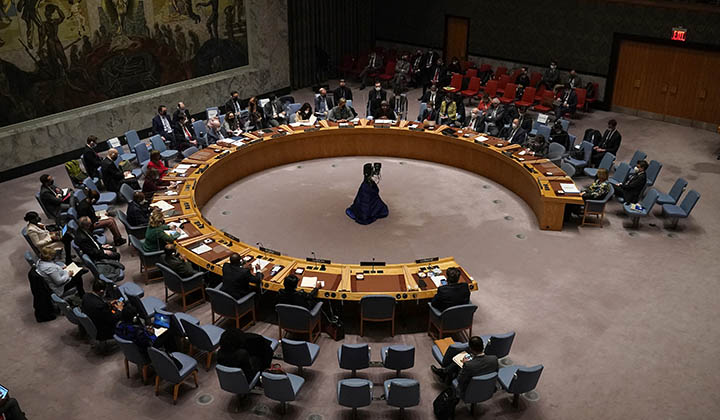
The United Nations has urged the Federal and state governments and other stakeholders to prioritise domestic funding for humanitarian interventions in Nigeria as foreign aid continues to decline.
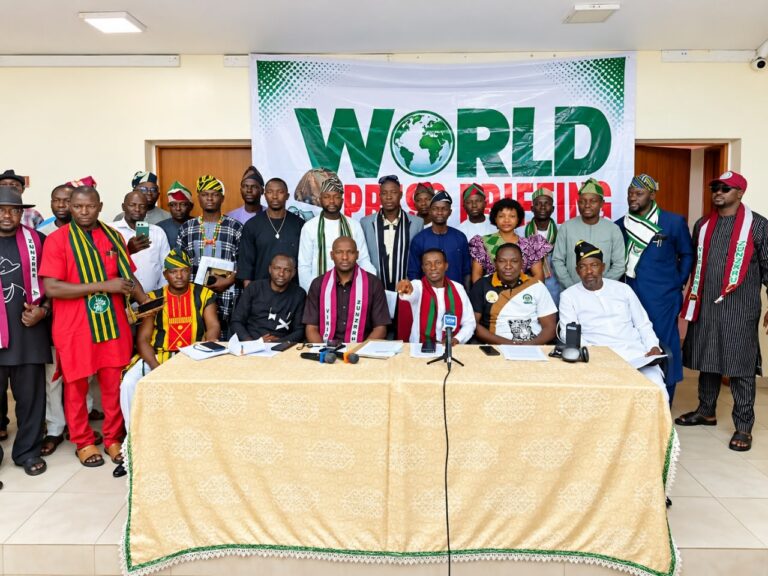
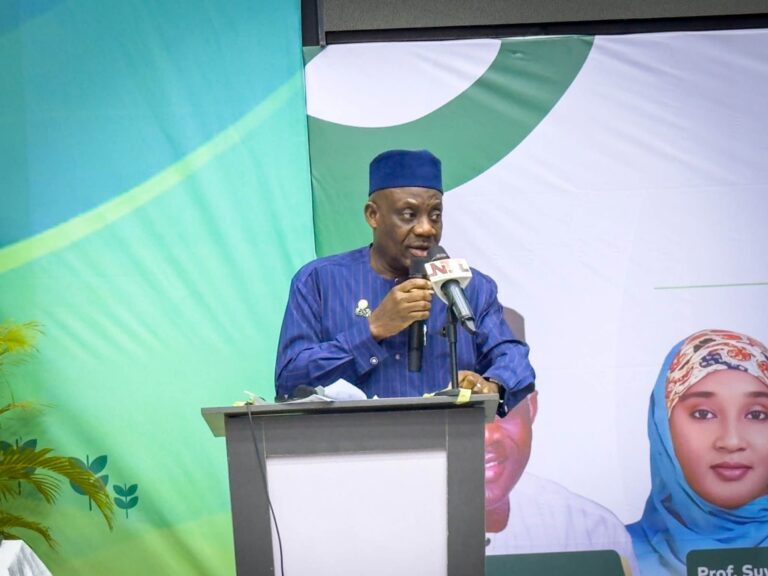
The UN Resident and Humanitarian Coordinator in Nigeria, Mohammed Fall, made the call on Wednesday at a media engagement in Maiduguri to mark this year’s World Humanitarian Day.
Fall said the reduction in humanitarian funding from the United States should serve as a wake-up call for Nigeria and other humanitarian actors to develop domestic sources of funding rather than wait for foreign assistance to resume.
“This is not all about Nigeria. It is a global challenge that funding is declining for humanitarian activities. We must start looking for domestic solutions to our funding that can find humanitarian solutions,” he said.
The UN official also urged humanitarian organisations to review their operations, particularly to eliminate duplication of interventions and improve the efficiency of responses.
On the recent attacks and abductions of children in the Northeast by insurgents, Fall said the security situation had improved compared with the period between 2014 and 2017.
He, however, called for stronger collaboration between humanitarian actors and government authorities to consolidate peace in the region.
Other News
Fall said combating violent extremism was a complex but achievable task, noting that the conflict had created severe humanitarian consequences, including malnutrition and health emergencies. “The country is facing one of the worst humanitarian crises with severe acute malnutrition.”
He disclosed that about one million people were now severely malnourished, underscoring the scale of the humanitarian challenge.
The UNICEF Deputy Representative in Nigeria, Dr Rownak Khan, said the organisation was supporting the Federal and state governments to develop protocols for addressing severe acute malnutrition in the North East.
She said UNICEF was also supporting the screening of children from communities through health facilities and strengthening the supply of Ready-to-Use Therapeutic Food (RUTF).
“We also support in ensuring the pipeline flow of Ready-to-Use Therapeutic Food,” Khan said.
According to her, Nigeria has some locally produced therapeutic food, which could reduce costs and ensure more timely supplies for the treatment of children suffering from acute malnutrition.
She said locally produced RUTF was effective in tackling severe acute malnutrition and could help strengthen Nigeria’s response to the growing humanitarian needs.