Follow Us on Google
From Scholastica Hir, Makurdi
As part of efforts to ensure child rights protection in the media space, the Child Rights Information Bureau (CRIB) of the Federal Ministry of Information and National Orientation, in collaboration with United Nations Children’s Fund (UNICEF), has trained media practitioners on ethical journalism and child rights reporting.
The two-day training, which was held in Port Harcourt, Rivers State, was aimed at making newsmen understand the legal and ethical frameworks governing the reporting of children in Nigeria, including the Child Rights Act and international conventions, identify and mitigate risks associated with reporting on children, ensuring their safety, privacy and dignity are protected.
The training was also to ensure that journalists recognise and report on critical child rights issues such as child abuse, exploitation, education, health and the impact of conflict in a responsible and impactful manner and applying best practices in interviewing children, handling sensitive information and protecting sources, among other objectives.
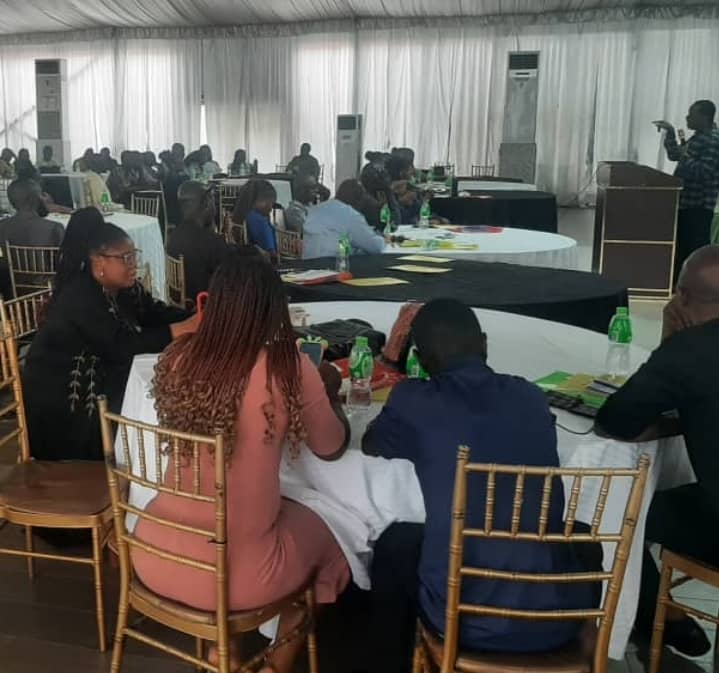
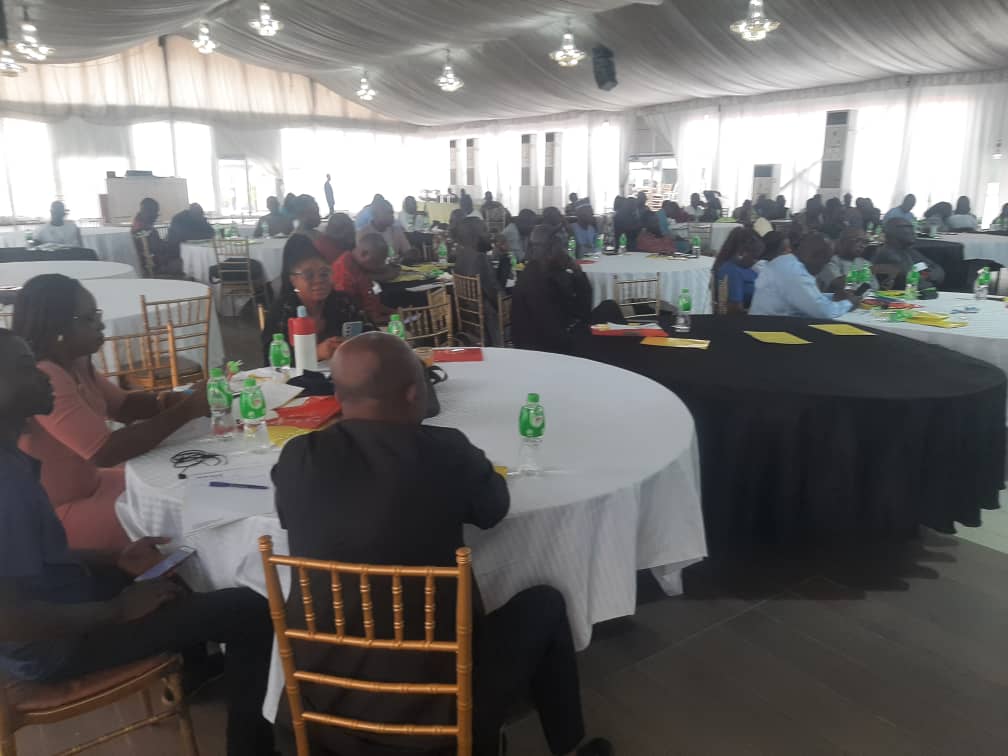
Welcoming participants to the training, the Country Representative of UNICEF, Wafaa Saeed, said UNICEF does not play with the media, which was why the training was organised.
Saeed, who spoke through the Communication Specialist for UNICEF, Susan Akila, said UNICEF believes that children do not have a voice and the media is better positioned to speak for them.
“We do not play with our media partnership. We believe that the media are the foot soldiers, they are important not just to UNICEF but to the children of Nigeria. And it is the reason for this training, to ensure they do not report the children in harm’s way, that if an injustice is done to a child, the perpetrators do not go away unreported and unpunished.”
She urged participants to take advantage of the training and sharpen their skills in reporting issues affecting the children.
The Chief of Field Office UNICEF, Port Harcourt, Rivers State, Anselem Audu, emphasised the critical role journalists play in shaping public perception and influencing the well-being of children in Nigeria.
He said the media has the power to amplify the voices of children, highlight their struggles, and bring attention to issues that affect their well-being.
He noted, however, that “with this power comes great responsibility. The way we report on children, and their stories can have a lasting impact on their lives.
“Ethical reporting of children matters because it builds trust and heals division. In a nation or society with diverse ethnicities, religions, and perspectives, the media is the glue that can hold people together or the wedge that can drive them apart.
Other News
“Ethical journalism, characterised by accuracy, fairness, and balance, is the antidote to misinformation and hate speech.”
He further noted that ethical reporting protects the vulnerable, especially children, protecting their identity, giving them a voice, and prioritising their best interests and ensuring the child’s right to a future free from shame and harm.
Audu called on journalists to prioritise children’s best interests by ensuring that their reporting does not harm or exploit children.
He said, “Seek out diverse perspectives, include children’s voices and experiences in your reporting, report with empathy and accuracy, balance your reporting with sensitivity and fact-based information.”
He urged the media practitioners to see the two-day training as an empowerment to be a stickler for fact-checking, accurate reporting and protector of the vulnerable.
He stated that ethical reporting on children is not just a moral imperative; it is a professional obligation to create a safer and more supportive environment for Nigeria’s children to thrive.
The Assistant Director/Head of Child Rights Information Bureau, Federal Ministry of Information and National Orientation, Temitoye Falayi, said the session brings together journalists, media practitioners and advocates who play vital roles in shaping public understanding, influencing attitudes and protecting the most vulnerable members of society, the children.
He said the training is designed to help the trainees reflect on their ethical obligations as journalists, explore best practices for reporting on children’s issues and strengthen their understanding of child rights as enshrined in national laws and international conventions.
“Through open discussions, case studies and shared experiences, we aim to build a media culture that protects children’s identities and amplifies their voices responsibly and upholds the highest ethical standards.”
He encouraged them to engage fully, and reaffirm their commitment to a media landscape that not only informs but also protects and empowers, while he appreciated UNICEF for sponsoring the event and for the role they have played over time concerning the Nigerian children.