Follow Us on Google
From Fred Ezeh, Abuja
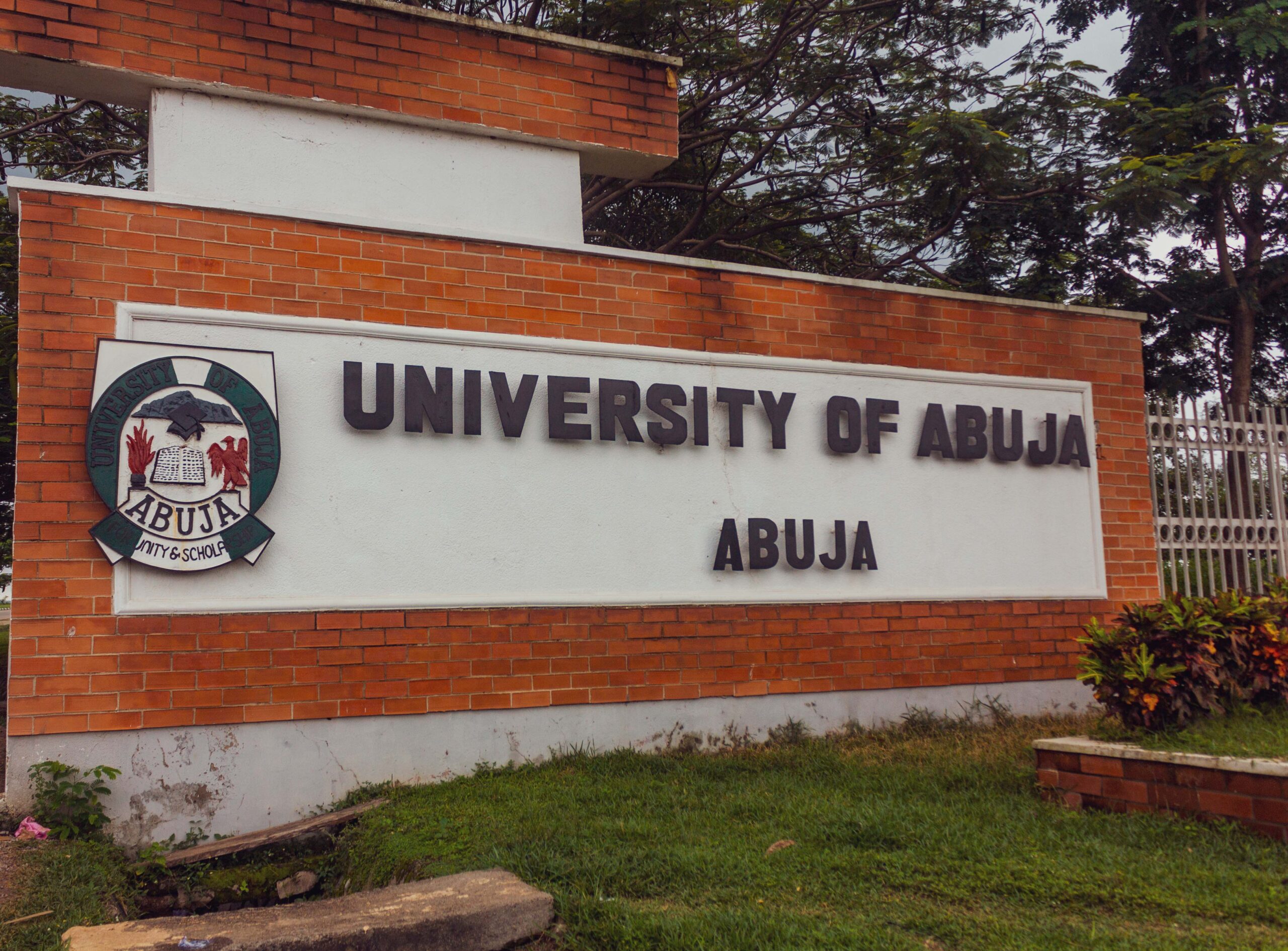
The University of Abuja (UniAbuja) has championed a tree-planting campaign within the University campus and environs as part of measures to preserve the ecosystem.
Director General, National Council on Climate Change (NCCC), Dr. Omotenioye Majekodunmi, alongside the officials of the National Green Great Wall (NAGGW) joined the University management led by Chairman of the Governing Council, Senator Olanrewaju Tejuoso, and Vice-Chancellor, Prof. Hakeem Babatunde Fawehinmi, to launch the campaign with multiple tree-planting exercise as part of activities for the convocation ceremony schedule for weekend.
UniAbuja management said tree planting has become a routine in the university since it realised the importance of protecting the environment, hence it joined the climate change awareness campaign to educate and enlighten the people on the importance of protecting the ecosystem.
In a lecture tiled “Carbon Credits from Tree Planting: Opportunities and Challenges for Nigeria’s Climate Goals”, the Director-General of the NCCC highlighted the huge financial and health gains of protecting environment through tree planting.
She explained that a carbon credit represents a measurable reduction or removal of greenhouse gas emissions, stressing that trees does this through carbon sequestration, absorbing carbon dioxide from the atmosphere and storing it in biomass and soil.
She added: “When trees are planted, protected, and sustained, the carbon removal can be measured, verified, and converted into carbon credits. Those credits can then be traded in carbon markets, creating a pathway through which environmental restoration can attract finance.
“For Nigeria, tree planting is no longer an environmental gesture, but a development strategy. It can support climate action, restore degraded land, create jobs, strengthen resilience, and open access to climate finance. We are not starting from zero. We have degraded lands in need of restoration. We have ecological zones that can benefit from afforestation, agroforestry, mangrove restoration, and shelter belt expansion.
“We also have a large youth population capable of driving innovation and green jobs. We have communities ready to engage. We have national climate priorities. And we now have stronger momentum to build a credible carbon market ecosystem. The world does not reward potential. It rewards credibility, and this is where many countries get it wrong. They assume planting trees is enough. It is not.
“The future will belong to countries that can measure carbon precisely, govern projects properly, verify results transparently, protect communities fairly, and bring integrity to the market. That is how you move from simply planting trees to building a credible carbon economy.”
Other News
She also mentioned some opportunities that are abound in a tree-based carbon projects particularly in unlocking climate finance at a larger scale. “For too long, developing countries have had bankable climate needs but insufficient access to finance.
“Carbon finance can help bridge part of that gap, especially where restoration projects generate measurable outcomes. It can attract investment into forests, farms, watersheds, mangroves, and degraded landscapes. Tree planting can become a tool for rural economic revitalisation.
“When done properly, the projects could create jobs in seedling production, nursery development, planting, monitoring, extension services, forest maintenance, data gathering, verification support, and digital environmental services. This means climate action can become a source of local enterprise, not just international negotiation.
“Additionally, Nigeria can build a competitive advantage in nature-based solutions. In a world increasingly looking for high-integrity credits, countries that can produce credible credits from agriculture, forestry, and land-use activities can position themselves strategically. This is not just about selling credits. It is about entering the future of green trade and sustainable investment.
“Tree planting can also support food systems and resilience, especially where we link it to agroforestry. Trees on farms can improve soil health, reduce erosion, provide shade, restore moisture cycles, increase long-term productivity, and diversify farmer income. In that sense, climate action and agricultural productivity do not have to be in conflict.
“Nigeria can also build a new generation of climate careers and businesses. The carbon economy is creating professions that barely existed a few years ago: carbon analysts, MRV specialists, climate financiers, project developers, GIS experts, environmental lawyers, registry managers, and nature-tech innovators.”
She, however, maintained that forests are assets, and communities could become stakeholders when people are properly educated and enlightened and good policies are implemented.
She vowed that Nigeria will not simply participate in the carbon market, but Nigeria will help to shape it so that when history looks back at this generation, it will recorded that they did not inherit a changing world and stand still, but they built the institutions, the markets, the science, and the courage to transform it.
Yahoo Mail: Search, Organize, Conquer