Follow Us on Google
In Abuja, Nigeria’s capital city, an invisible yet deadly crisis is unfolding in plain sight: the growing prevalence of fake and substandard drugs. These counterfeit medications are infiltrating pharmacies and open markets, posing severe risks to public health. According to a 2022 NAFDAC report, 1 in 5 medicines sold in border regions fails potency tests, leaving countless Nigerians unknowingly consuming harmful or ineffective drugs.
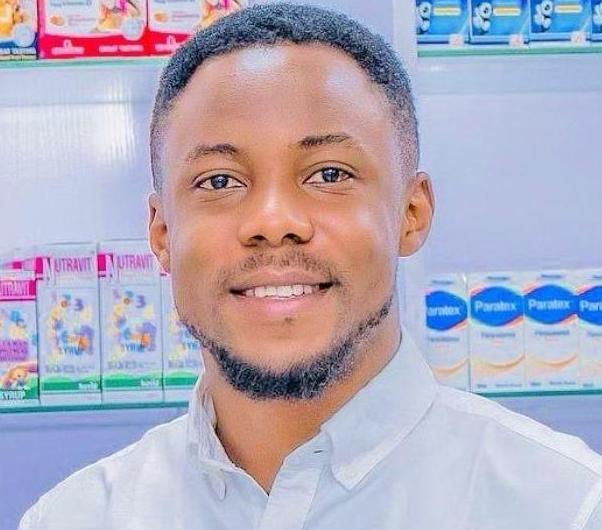
This is not just a healthcare issue; it is a public safety emergency. Pharm. Cordia Ogbeta (BPharm, PharmD), a former Formulation Scientist at May & Baker Nigeria PLC, has spent years advocating for safer pharmaceutical practices and is now one of the leading voices addressing this epidemic. His mission? To protect Nigerians from fake drugs and restore trust in the country’s healthcare system.
*The Perspective of a Formulation Scientist* Pharm. Cordia Ogbeta brings an insider’s knowledge to this fight. Having worked at May & Baker, a company known for its high standards in pharmaceutical manufacturing, he understands what it takes to produce safe and effective drugs.
“At May & Baker, we didn’t take chances,” Ogbeta explains. “Every batch of medication went through rigorous testing, including High-Performance Liquid Chromatography (HPLC), to ensure its potency and safety. Counterfeiters don’t care about these processes. They skip the science, mix random chemicals, and package their products to look legitimate.
”The result, Ogbeta says, is an influx of medications that either don’t work or actively harm those who take them. Counterfeit antibiotics, for example, have become a significant problem. “When antibiotics fail because they’re fake, people blame the healthcare system not realizing that the medication itself is the culprit,” he says. “This erodes trust in legitimate healthcare providers and worsens drug resistance.
*”The Role of Abuja’s Markets and Borders* As a central hub for commerce, Abuja has become a key target for counterfeit drug syndicates. Smuggling routes near Abaji and other border areas make it easy for fake medications to enter the city’s supply chain, finding their way into markets like Nyanya, Wuse, and Kubwa.
“These counterfeit drugs don’t just end up in street markets,” Ogbeta points out. “They make their way into pharmacies, where unsuspecting customers buy them thinking they’re getting genuine treatments.
”One alarming case involved fake antimalarial drugs sold in Kubwa. In late 2022, a coordinated effort between NAFDAC and local authorities led to the confiscation of over 1,000 packs of these counterfeit medications. But for every shipment intercepted, many more evade detection.
*The Fight Back:* Ogbeta’s Comprehensive PlanPharm. Ogbeta firmly believes that the counterfeit drug crisis can be tackled with the right combination of technology, enforcement, and public engagement.
1. *Digital Track-and-Trace Systems* Ogbeta advocates for a track-and-trace system that assigns each legitimate pharmaceutical product a unique QR code. Pharmacists and consumers can scan the code to confirm the product’s authenticity.“This system has already worked in countries like India and Ghana,” he explains. “It’s time for Nigeria to adopt it. When people can verify their medications instantly, counterfeiters lose their power.
”2. *Stronger Border Control* The porous borders around Abuja remain a critical weak point. Ogbeta recommends deploying advanced scanning equipment and training customs officers to spot counterfeit shipments before they reach the city.“Stopping fake drugs at the border is our first line of defense,” he says. “Once they’re inside, it becomes much harder to trace and remove them.
”3. *Harsher Penalties for Counterfeiters* Current penalties for counterfeit drug production and distribution are insufficient to deter offenders. Ogbeta is advocating for stricter laws that impose heavier fines and longer prison sentences.“Counterfeiting isn’t a victimless crime it kills,” he says. “The punishment should reflect the severity of the harm caused.
”4. “*Public Education Campaigns* Ogbeta has made it his mission to empower Nigerians through education. He organizes workshops and radio campaigns to teach people how to identify counterfeit drugs and where to buy safe medications.“Most people don’t know what to look for,” he says. “Simple things like checking for a tamper-proof seal or buying only from licensed pharmacies can save lives.
*”The Human Toll* The consequences of fake drugs are not abstract they are deeply personal. Ogbeta shares a story of a diabetic man in Gwagwalada who suffered life-threatening complications after unknowingly using counterfeit insulin. In another case, a 6-year-old girl from Nyanya died after taking fake malaria tablets.“These aren’t just numbers,” Ogbeta says. “These are people families devastated because someone chose profit over human life. It’s heartbreaking, and it’s why I won’t stop fighting this fight.
*”Building Partnerships for Change* Ogbeta’s efforts are gaining momentum, thanks to collaborations with organizations like NAFDAC, the Pharmaceutical Association of Nigeria, and private tech companies. Together, they have:
Launched the ‘Check Your Drug’ mobile app, allowing consumers to verify their medications.
“Trained pharmacists in Abuja to spot counterfeit drugs and educate their customers.
“Supported law enforcement in intercepting counterfeit shipments.“No one can solve this alone,” Ogbeta says. “We need manufacturers, regulators, pharmacists, and the public to work together.
*A Call to Action* Pharm. Ogbeta is urging all Nigerians to play their part in the fight against counterfeit drugs:
“Report Suspicious Products”. If you suspect a drug is fake, contact NAFDAC at [0909-763-0506] or report it on their website.
Verify Medications
Use the ‘Check Your Drug’ app to confirm the authenticity of your medications.
Stay Informed
Follow NAFDAC on social media for updates and alerts about counterfeit drugs.“We all have a role to play,” Ogbeta says. “Every report made, every drug verified, and every educated consumer brings us closer to ending this crisis.
*”A Vision for a Safer Future* Despite the challenges, Ogbeta remains optimistic. “We can solve this,” he says. “With better technology, stricter regulations, and an informed public, Abuja can lead the way in eradicating counterfeit drugs not just in Nigeria, but across Africa.”Through his leadership and advocacy, Ogbeta is proving that meaningful change is possible. For Abuja’s residents and beyond, his work offers hope and a plan or a future where medicines can be trusted, and lives are no longer put at risk.
Resources & Contact
To report counterfeit medications or verify authenticity, contact NAFDAC at [0909-763-0506] or visit their website for a list of approved pharmaceutical products.
Alarm Bells from the Front LinesPharm. Cordia Ogbeta (BPharm, PharmD), co-founder of ShowCare Pharmacy and a certified antimicrobial steward, has witnessed the trend firsthand. “I’ve seen patients walk into market stalls, buy random ‘strong’ pills, and stop taking them halfway,” he told Vanguard Nigeria. “Once bacteria develop resistance, we’re left with fewer and fewer treatment options.”
Dr. Ibrahim Ajala, an infectious disease specialist at Lagos University Teaching Hospital, corroborates Ogbeta’s concerns. “A Nigerian Centre for Disease Control (NCDC) report shows a 25% jump in multi-drug-resistant infections from the previous year. That spike is extremely worrying.”
ShowCare Pharmacy’s Grassroots InterventionIn response, Ogbeta launched an Antimicrobial Stewardship Initiative at ShowCare Pharmacy, slashing unwarranted antibiotic dispensing by 30% through strict prescription checks, patient counseling, and free community workshops. “These drugs must be treated as precious resources,” he stresses. “We can’t afford to squander them.
Policy Shifts & Public Awareness
To stop antibiotic resistance from spiraling out of control, Ogbeta advocates:
• Banning Over-the-Counter Antibiotic Sales through tighter regulatory clampdowns.
• Nationwide Awareness Campaigns, similar to polio eradication efforts, using radio, TV, and social media.
• Expanded Pharmacy Stewardship Programs across states, ensuring consistent prescription reviews.
“We have a narrow window to act,” Ogbeta warns. “In the war against antibiotic resistance, every Nigerian must play a part.”