Follow Us on Google
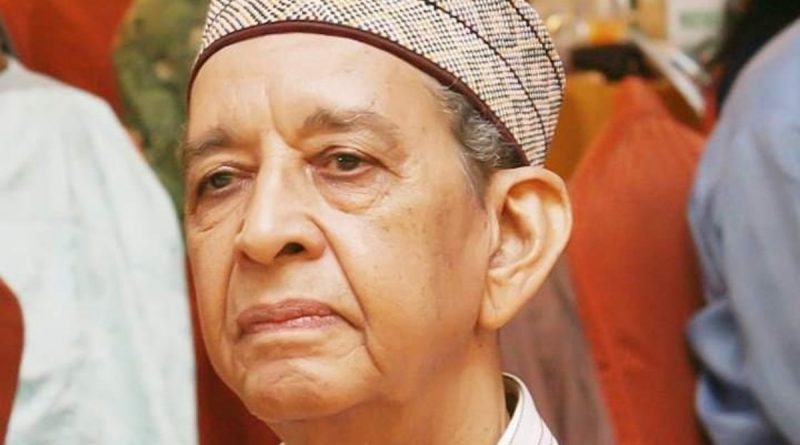
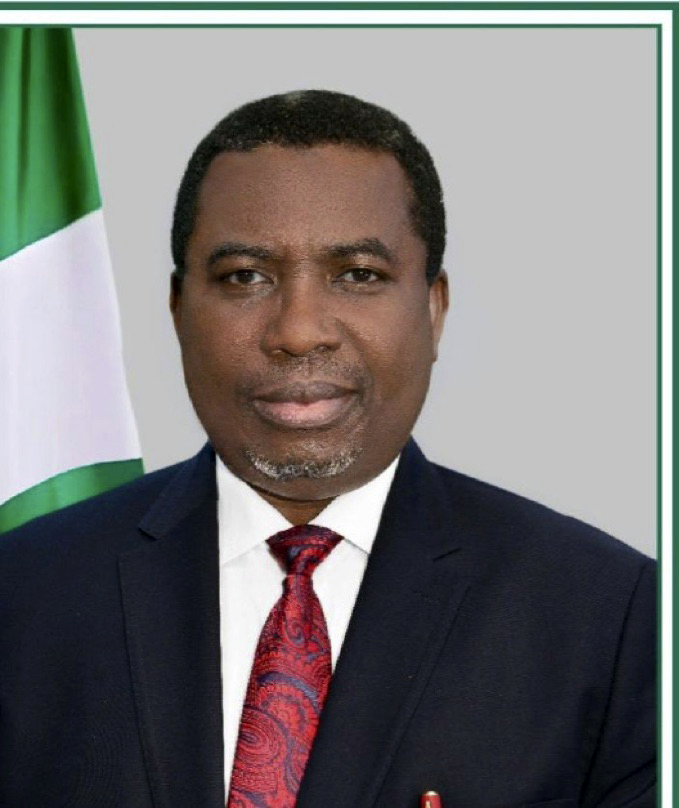
Foremost Nigerian Professor of Community Medicine, educator, researcher and university administrator, Umar Shehu, died recently at the age of 93. He was one of the few Nigerians whose career in public service spanned over a long period, straddling the civil service, medical practice and university administration. He was Nigeria’s first emeritus professor. He held visiting professorship in many Nigerian and foreign universities, including the School of Medicine, University of North Carolina at Chapel Hill, United States of America. He was also a statesman and one of the three founding fathers of Kanem Bornu Historical and Cultural Foundation (KBHCF) and Bornu Elder’s Forum (BEF). According to the secretary of BEF, Dr. Bulama Gubio, who announced his death in Maiduguri, Shehu was the last of the troika that was made up of late Dr. Shettima Ali Monguno and late Maina Ibrahim Damcida.
Born December 8, 1930, in Bornu Province, North-Eastern State of Northern Nigeria, Shehu started primary school in Maiduguri from 1935-1940, followed by middle school from 1941 – 1943. He studied at Kaduna College, Zaria, between 1944 and 1947, before proceeding to University College, Ibadan from 1948 -1953. He spent time at University of Liverpool in two separate periods from 1953 -1956 and between 1966 and 1967.
After obtaining a medical degree from University of London, he started work as a pre-registration House Surgeon at Southport Infirmary, United Kingdom. He returned the same year to the Government of Northern Nigeria as pre-registration House Physician and gradually climbed the ladder in the medical profession. He held various positions as Medical Officer, Senior Medical officer, Principal Medical Officer, Assistant Chief Medical Officer and finally Chief Medical Officer in charge of Preventive Services Division between 1967 and 1968.
He was offered the position of Permanent Secretary Ministry of Health and Chief Medical Officer in the North-Eastern State but declined, preferring instead the job of a lecturer at Ahmadu Bello University, Zaria. He became a Reader and acting Head of the Department of Community Medicine in the University between 1968 and 1970. Within the period he served as deputy Dean, Faculty of Medicine and acted as the Director of the Institute of Health.
Shehu had an impressive public service career. He became a Professor of Community Medicine in 1970 and served between 1970 and 1978 as the Head of the Department, Deputy Vice-Chancellor and Vice-Chancellor Ahmadu Bello University, Zaria. He equally held important positions at the University of Maiduguri and was, between 1993 and 1994, the Provost of the University’s College of Medical Sciences and Sole Administrator. He had earlier, between 1978 and 1980, served as the Vice Chancellor of the University of Nigeria, Nsukka where he made substantial improvement in the university’s academic and administrative development. Between 1991 and 1994, he presided over the Board of Management, University of Ibadan, where he provided strategic guidance and oversight to the University’s hospital operations. He also served as pro-Chancellor and Chairman of the Governing Council Bayero University Kano from 1993-1996 and as the pro-Chancellor and Chairman Governing Council University of Lagos.
Between 1973 and 1975, he became the President of Medical Schools in Africa. He was external examiner in Public Health of the University of Ghana Medical School. He also served as chairman, Board of National Agency for the Control of AIDS (NACA), STOPAIDS and was the Patron, Guild of Medical Directors Nationwide Network for Health as well as Nigerian Medical Forum of Great Britain and Ireland. Shehu made a lot of contributions to the improvement of public health in Nigeria and served as Trustee on the board of many foundations like National Foundation on Vesicovaginal Fistula (VVF), Nigerian Tuberculosis and Leprosy Association etc. He contributed much in global health and had a lot of publications in the Medical Journal. He worked closely with the World Health Organization (WHO), serving at different times as the Organization’s Adviser, Consultant, and Coordinator of its national programs. He was coordinator/representative of WHO in Nigeria, and its director Sub-Regional Health Development Office 111. In 1990 he became WHO representative in Ethiopia.
No doubt, the death of Professor Umar Shehu is a huge loss to Nigeria and the gap will take sometimes to close. President Bola Tinubu echoed the same sentiment. He said: “Emeritus Professor Shehu was a giant even among that legendary generation of pioneering indigenous professionals in our country, and the story of his life is saturated with many firsts, golden steps across the realms of medical practice, school administration and humanitarian services.” He was indeed a giant and we commiserate with his family and the medical/university community over the huge loss. May his soul rest in peace.