Follow Us on Google
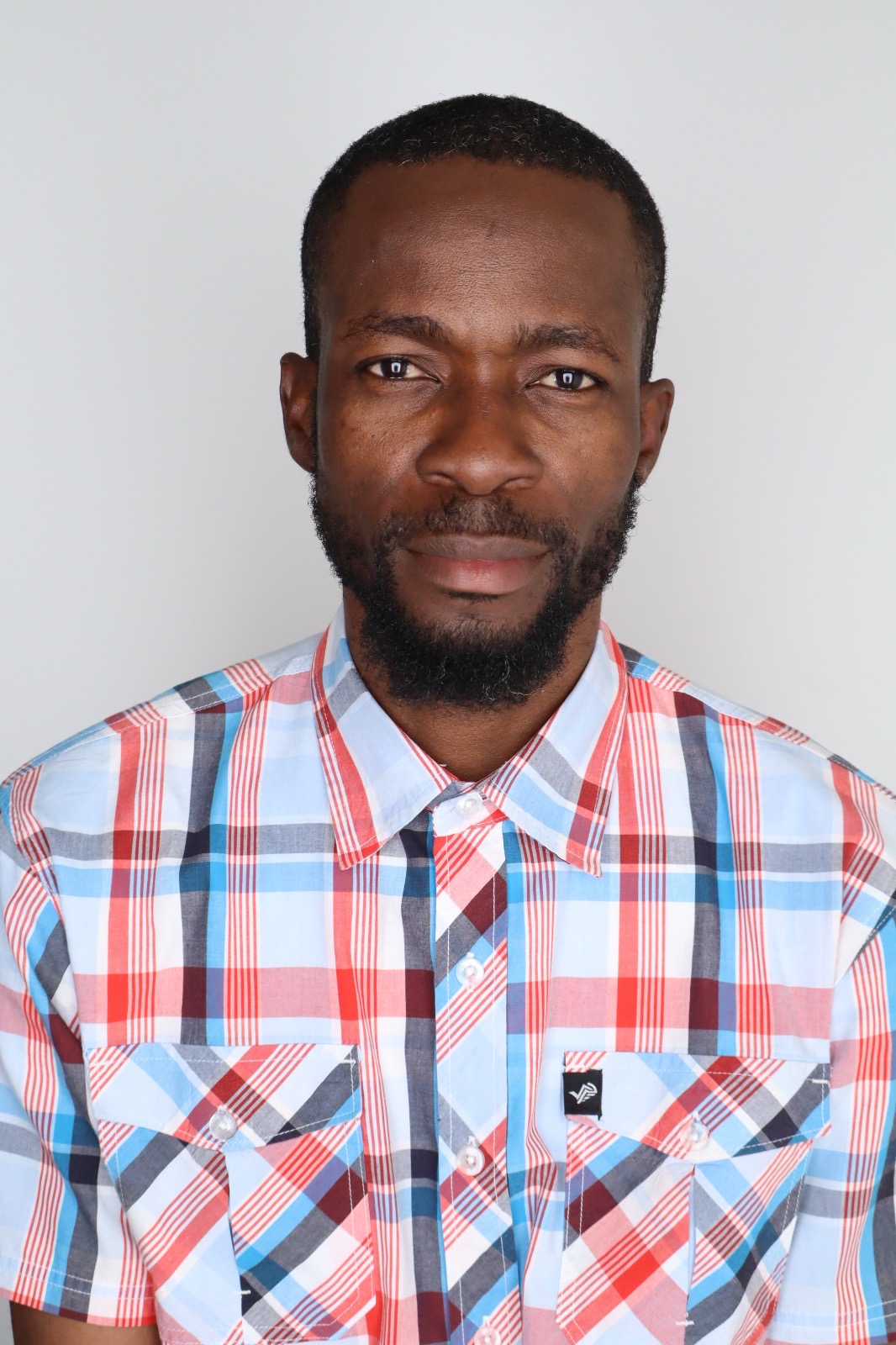
Nigeria’s healthcare system continues to grapple with critical challenges from long hospital wait times to poor record-keeping and delayed emergency responses. But according to Tunde Ohiozua, a Nigerian data and compliance expert, one of the most overlooked issues is how the country manages risk and regulatory processes.
He explains that many hospitals and clinics operate reactively, taking action only after something goes wrong whether it’s a medical error, a regulatory inspection, or a patient complaint. “By that time,” he says, “the damage is already done.”
Ohiozua argues that this approach is outdated and dangerous. He is calling for a transformative shift in how healthcare operations are managed in Nigeria one that leverages data, proactive planning, and technology to identify and address risks before they escalate.
With professional experience in both the U.S. and Nigeria, Ohiozua has worked across multiple sectors, including healthcare and finance. He has helped organizations design systems that monitor performance, ensure regulatory compliance, and support better decision-making. Now, he’s focused on bringing those innovations back home.
“Nigeria doesn’t just need more hospitals we need smarter ones,” he emphasizes. “Hospitals where information flows seamlessly, where staff are trained to spot early warning signs, and where care is coordinated across departments.”
He believes that local health centers and teaching hospitals alike can benefit from adopting tools such as digital patient records, real-time monitoring systems, and integrated compliance checklists tools that are embedded into everyday operations, not just implemented for government appearances.
This vision aligns with the National Digital Health Strategic Framework, Nigeria’s policy initiative aimed at using technology to strengthen healthcare delivery. However, Ohiozua cautions that policy alone is not enough. Real progress, he says, comes when digital tools are applied effectively and personnel are properly trained to use them.
“We need systems that think ahead,” he says. “That way, we can avoid unnecessary deaths, reduce the burden on health workers, and provide Nigerians with the quality care they deserve.”
For Ohiozua, the future of Nigerian healthcare is not just about increased funding it’s about using existing resources more wisely, efficiently, and with foresight.