Follow Us on Google
By Joe Apu
The International Olympic Committee (IOC) has announced a sweeping policy change barring transgender women and athletes with Differences of Sexual Development (DSD) from competing in female category events, with implementation set for the 2028 Summer Olympics.
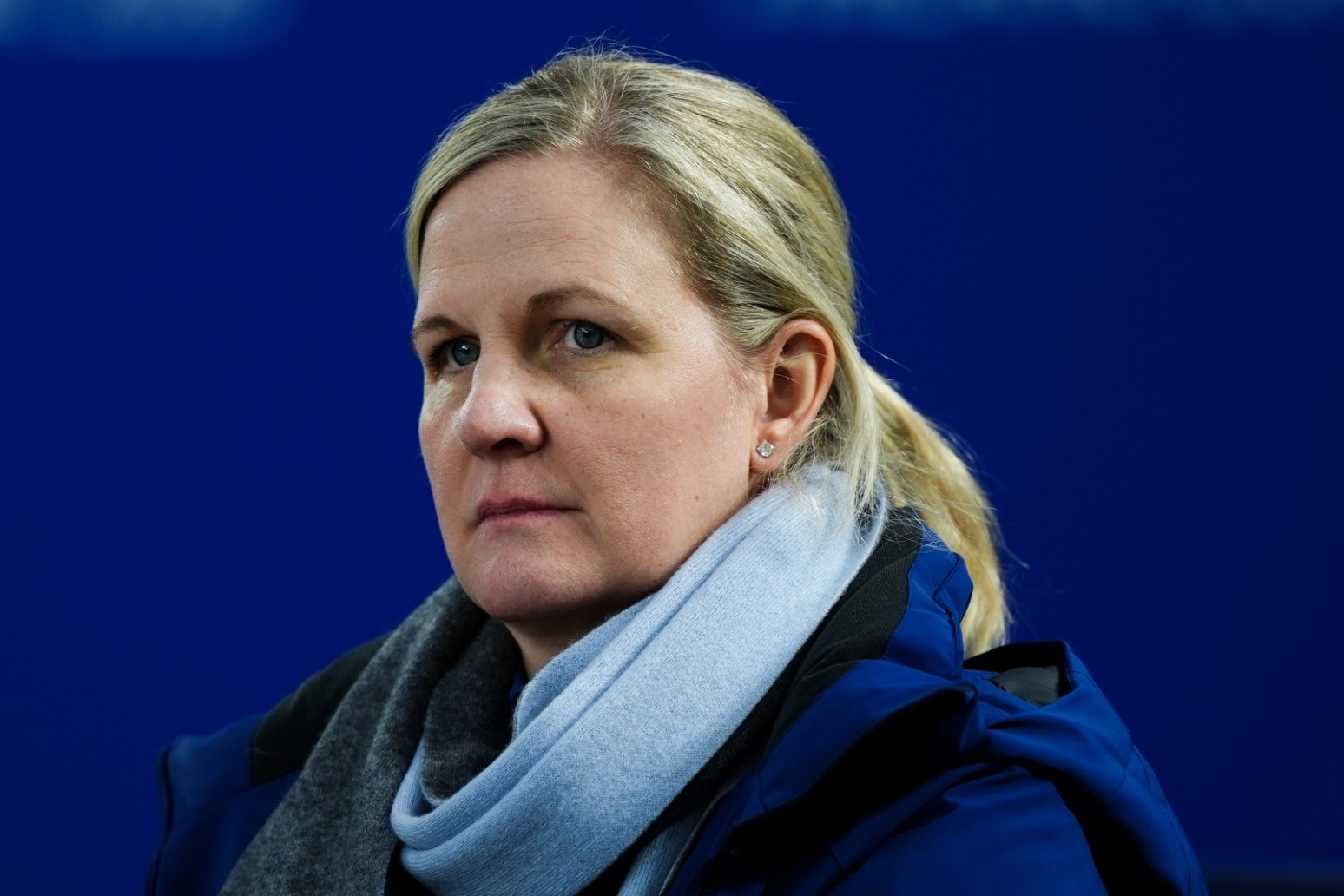
According to the IOC President Kirsty Coventry, the decision is rooted in scientific evidence and designed to safeguard fairness and safety in women’s sport.
“As a former athlete, I passionately believe in the rights of all Olympians to take part in fair competition,” Coventry stated, adding that “it would not be fair for biological males to compete in the female category.” She also noted that in certain disciplines, safety considerations were a key factor.
Under the new rules, athletes seeking to compete in female events at LA28 and beyond must undergo a one-time genetic screening to confirm biological sex. The process involves a non-intrusive cheek swab or saliva test to detect the presence of the Sex-determining Region Y (SRY) gene, which the IOC considers a consistent biological marker of male sex development. “There must be clear education around the process and counselling available, alongside expert medical advice,” Coventry added.
The IOC’s decision marks a significant shift from its previous, more inclusive framework introduced in 2021, which moved away from universal testosterone limits and allowed international federations to set sport-specific eligibility rules. That earlier approach had been widely interpreted as an attempt to balance inclusion with competitive fairness, but it also led to inconsistent regulations across different sports.
Other News
In recent years, several global federations have tightened their own policies. World Athletics and World Aquatics, for example, introduced restrictions on transgender women competing in elite female categories, citing scientific studies on performance advantages linked to male puberty.
The issue has also been shaped by high-profile cases involving athletes with DSD, including South African middle-distance runner Caster Semenya. Her long-running legal battle over eligibility rules brought global attention to the complexities surrounding sex classification, biology, and human rights in sport.
Scientific debate has remained central to the controversy. Some studies suggest that athletes who have undergone male puberty may retain advantages in strength, endurance, and physiology, even after hormone therapy. However, critics of restrictive policies argue that the science is not definitive and warn of potential discrimination and exclusion.
Human rights groups and advocacy organisations have also raised concerns about privacy, dignity, and the potential psychological impact of mandatory sex verification testing, particularly genetic screening.
The IOC’s adoption of a standardized genetic-based criterion signals a move toward uniformity across all Olympic sports, replacing the patchwork of federation-led rules that previously existed. It also represents one of the most decisive interventions yet by the Olympic body in the ongoing global debate.
With less than two years to the Los Angeles Games, the policy is expected to trigger further legal, scientific, and ethical discussions, as stakeholders across sport, medicine, and human rights continue to grapple with how best to balance inclusion with fairness at the highest level of competition.