Follow Us on Google
The hospitality industry is in the middle of a major shift and technology is playing a major role in it.
The familiar buzz of a luxury hotel lobby, once defined by warm greetings, bustling receptions and lengthy check-in queues, is rapidly giving way to a new reality.
Today’s traveller demands efficiency, digital convenience, and seamless interactions. This shift in guest behaviour dominated discussions at the Africa Hospitality Summit hosted by the Lagos Business School (LBS), where industry leaders convened to map out the sector’s evolving landscape.
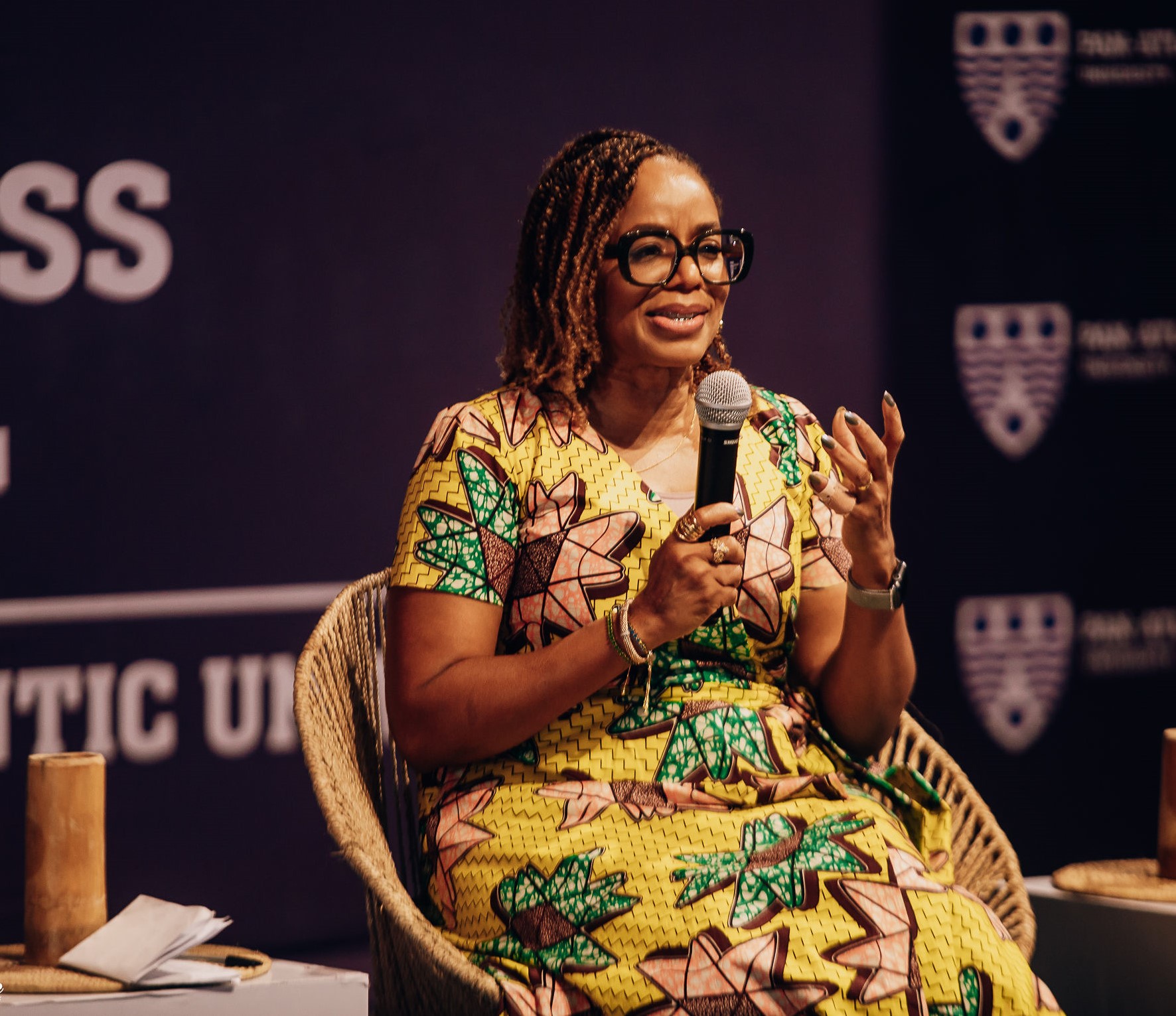
Among the key voices shaping the conversation was Uzoamaka Oshogwe, Managing Director and Chief Executive Officer of Transcorp Hotels Plc, the hospitality arm of Transcorp Group. Speaking on a high-level panel focused on digital innovation, sustainability, and the redefinition of guest experience, Oshogwe laid out a compelling vision for the future of African hospitality.
The summit brought together policymakers, investors, operators, and executives from across the continent. Speaking during the panel titled “Reimagining the Future of Hospitality in Africa,” Oshogwe underscored the rising expectation for digital-first service delivery. She identified contactless interaction as a dominant trend that hotels must urgently embrace.
“The trend is now about contactless; people are so busy, they do not want to stand in front of the reception and wait for you to check them in,” she noted. According to her, convenience, speed, and personalisation now constitute the core of competitive advantage, with guests increasingly seeking autonomy over their hotel experience.
For Oshogwe, technology has moved far beyond being a luxury or a competitive differentiator—it has become a fundamental requirement. From mobile check-ins to smart room features and AI-powered service systems, digital transformation is reshaping how hotels operate and how guests engage with brands.
But digital advancement is only one part of the transformation. Oshogwe emphasised sustainability as the other critical driver redefining hospitality. She stressed that environmental responsibility can no longer be framed as an optional corporate social responsibility activity but must be embedded into core business operations.
“Stakeholders want to know how you do business,” she said. “What you do about recycling, what your long-term plans are for reducing plastic and saving the planet for the next generation.”
She outlined Transcorp Hotels’ ongoing sustainability initiatives, including energy efficiency programmes, waste reduction systems, and structured recycling practices. Oshogwe presented these efforts as essential not just for regulatory compliance or brand reputation, but for building a resilient, future-proof business that aligns with global expectations.
The panel also featured respected industry voices including Ifeanyi Asiodu, Moyo Ogunseinde, Kofi Abunu, and Dr. Belinda Nwosu of LBS. Together, they explored challenges such as inconsistent regulation, limited infrastructure, rising operational costs, and the investment needed to modernise ageing hotel assets across the continent.
Oshogwe’s contributions reinforced Transcorp Hotels Plc’s reputation as a leading force in innovation, operational excellence, and sustainable practices. Under her leadership, the company has consistently championed the integration of technology and sustainability into hospitality operations, setting benchmarks for the broader industry.
As Africa’s hospitality landscape continues to evolve, the message from the summit was unmistakable: the future will belong to operators who embrace technology, elevate guest autonomy, and embed sustainability into every layer of their operations. Transcorp Hotels Plc, a subsidiary of Transnational Corporation Plc, remains positioned at the forefront of this transformation, redefining standards through exceptional service, innovation, and a long-term commitment to environmental stewardship.