Follow Us on Google
Nigeria and the African Development Bank (AfDB) have rallied African nations to take full control of the continent’s vast mineral resources by prioritising local value addition, regional cooperation, and strategic financing to unlock greater economic benefits.
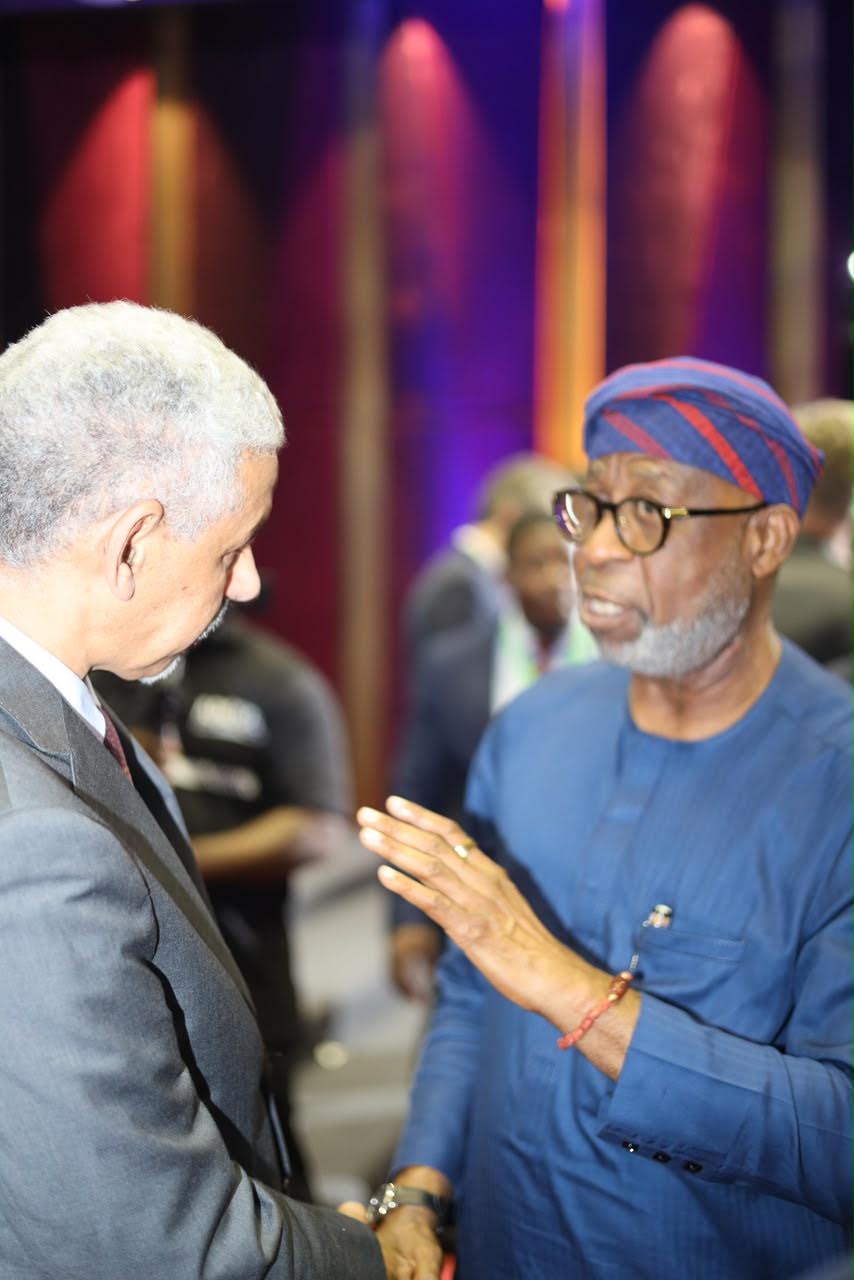
Speaking at the Ministerial Forum on Critical Minerals, Value Chain and Beneficiation in Abidjan, Côte d’Ivoire, the Minister of Solid Minerals Development, Dr Dele Alake, urged mineral-producing countries to abandon isolated approaches and embrace regional collaboration to maximise Africa’s mineral wealth.
Alake said Africa must move beyond exporting raw minerals and instead focus on processing, beneficiation, and industrialisation to achieve economic independence.
“While the mantra of value addition has ushered in an era of economic independence for mineral-producing nations, we need concrete, actionable strategies to take charge and be in full control of our natural assets to ensure total economic freedom,” he said.
The minister, who chairs the Africa Mineral Strategy Group (AMSG), also advocated data sovereignty, insisting that Africa should stop relying on the Australia-based Joint Ore Reserves Committee (JORC) for reporting its mineral resources.
According to him, the continent should adopt the Pan African Resource Reporting Code (PARC), developed by the Africa Minerals Development Centre (AMDC), to ensure transparency, consistency, and reporting standards tailored to Africa’s unique geological realities.
Alake also proposed the establishment of a West African minerals processing corridor stretching from Lagos to Dakar, modelled after the Lobito Corridor, to enable countries to share infrastructure, reduce costs, and strengthen regional mineral value chains.
Other News
He lamented that intra-African trade remains at just 16 per cent, compared with about 60 per cent in Asia and 70 per cent in Europe, stressing that greater economic integration was essential for Africa’s industrial transformation.
In his remarks, AfDB President Dr Sidi Ould Tah described it as a paradox that Africa possesses enormous mineral wealth but continues to record limited economic gains.
He noted that despite the continent’s huge deposits of critical minerals, these resources have not translated into corresponding GDP growth or attracted sufficient foreign direct investment.
The forum ended with the adoption of the Abidjan Declaration, which places financing at the heart of Africa’s mineral development agenda.
Under the declaration, the African Development Bank pledged to deploy financing instruments, technical expertise, and capital mobilisation to support strategic mining projects, de-risk investments, develop bankable projects, and accelerate competitive, inclusive, and sustainable mineral value chains across the continent.
The declaration also urged African governments to build national and regional capacity capable of attracting investment, creating jobs, and ensuring that mineral wealth delivers lasting economic transformation.
The forum attracted more than 20 African ministers responsible for mining, energy, industry, and natural resources, alongside representatives of AfDB, Afreximbank, the US Export-Import Bank, and global mining companies from Germany, Canada, and the United States.