Follow Us on Google
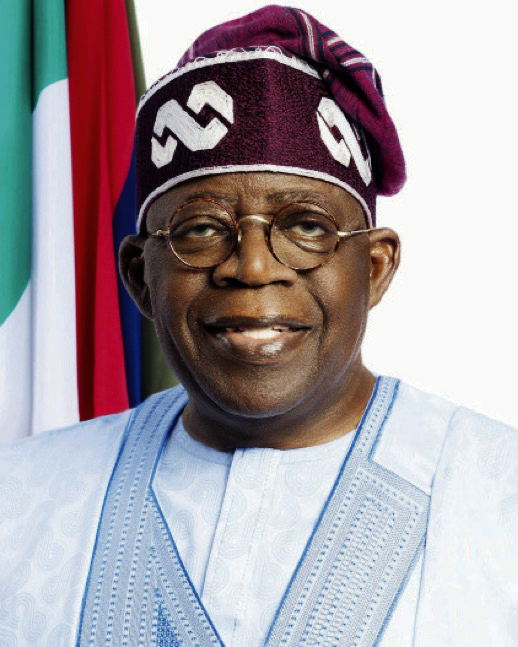
President Bola Tinubu recently unveiled five coordinated programmes worth about $3.05 billion aimed at reducing poverty, strengthening community resilience and improving healthcare and education across the country. The Minister for Finance and Coordinating Minister of the Economy, Taiwo Oyedele, who represented the president, launched the programmes in Abuja on July 16.
The programmes include the Nigeria Community Action for Resilience and Economic Stimulus Additional Financing (NG-CARES), the Solutions for Internally Displaced and Host Communities (SOLID) initiative, and the Human Capital Opportunities for Prosperity and Equity (HOPE) package, which includes HOPE Gov, HOPE PHC and HOPE Edu. According to the President, the five programmes are not separate entities but one coordinated national strategy for poverty reduction, human capital development, and community resilience.
The programmes would align with the federal government, states and local governments around a ward-based approach to improving livelihoods, education, healthcare and social protection. “We are building a Nigeria where extreme poverty is banished, where every child has access to quality education and healthcare, and where every community can withstand adversity and recover faster and stronger,” Tinubu said.
A breakdown of the initiative indicates that NG-CARES would receive about $1.25 billion in additional World Bank financing to support smallholder farmers and small businesses. SOLID, backed by $300 million from the World Bank, would bridge humanitarian relief and long-term development for IDPs and their host communities, while $1.5 billion HOPE package would strengthen primary healthcare, foundational learning, teacher development and governance in public education. Minister of Budget and Economic Planning, Abubakar Bagudu, said they would strengthen social protection, expand economic opportunities, improve human capital outcomes, and support vulnerable communities across the country.
The ambitious initiative is coming at the right time, especially given the unflattering estimates of Nigeria’s poverty indexes by the World Bank and National Bureau of Statistics (NBS). According to the World Bank, poverty in Nigeria rose to 63 per cent in 2025, despite a slowdown in inflation, indicating the limited impact of recent macroeconomic improvements on household welfare. The bank made the disclosure in its Nigeria Development Update (April 2026) titled “Nigeria’s Tomorrow Must Start Today: The Case for Early Childhood Development,” which was released recently. Details of the report showed that Nigerians living below the poverty line increased from 56 per cent in 2023 to 61 per cent in 2024, before peaking at 63 per cent in 2025. The figure must have gone higher with the rising inflation occasioned by the crisis in the Middle East. In related reports, official figures from the National Bureau of Statistics (NBS) indicated that 40.1 per cent of Nigeria’s population lived below the national absolute poverty line. This means that about 82.9 million Nigerians were classified as poor.
Other News
The revelations by the World Bank and NBS are disturbing. The statistics align with a new United Nations report which listed Africa as overtaking Asia as the continent with the highest number of people facing hunger. The report, jointly published by the Food and Agriculture Organisation and four other UN agencies, found that 309 million people in Africa suffered from hunger in 2025, representing 20 per cent of the continent’s population. By comparison, 292 million people in Asia, or about six per cent of its population, were affected by hunger during the same period. According to the UN, the findings reflect a shift in the global hunger landscape. The rising state of poverty in Nigeria places the country among countries facing hunger.
We commend the President’s poverty alleviation programmes and call for their seamless implementation. We agree with the President that the success of the programmes will depend so much on delivery and transparency. The amount earmarked for the project is huge and laudable. There is need to ensure that the programmes are extended to the target groups and not party supporters alone. Beneficiaries of the initiative should be selected from all states and every part of the country. Every state and local government area in the country should be accommodated, irrespective of political or party leanings.
The previous federal government’s poverty reduction interventions were not fairly implemented. Let the current programmes not go the same way. There should be transparency and sincerity of purpose in their implementation. The poverty rate in the country is a time bomb. Any measure that will reduce poverty in the country is commendable. The government should carry Nigerians along in the disbursement of the funds and other packages contained in the initiative.