Follow Us on Google


By Zika Bobby
Nigerian companies risk devastating reputational damage, financial losses and erosion of public confidence unless they urgently strengthen their defences against deepfakes and artificial intelligence (AI)-driven misinformation, communication and marketing experts have warned.
They cautioned that a single fabricated video, false corporate announcement or manipulated message could spread within minutes, triggering a crisis before an organisation has time to respond, and urged businesses to overhaul their crisis management plans, tighten internal controls on AI use and establish credible systems for detecting and countering misinformation.
The warning came during a virtual webinar titled, “Safeguarding Brand Reputation in Nigeria’s AI Era: Preparing Organisations for Deepfakes, Synthetic Media and AI-Driven Misinformation,” organised by MSc Media and Communication students of the School of Media and Communication, Pan-Atlantic University (PAU).
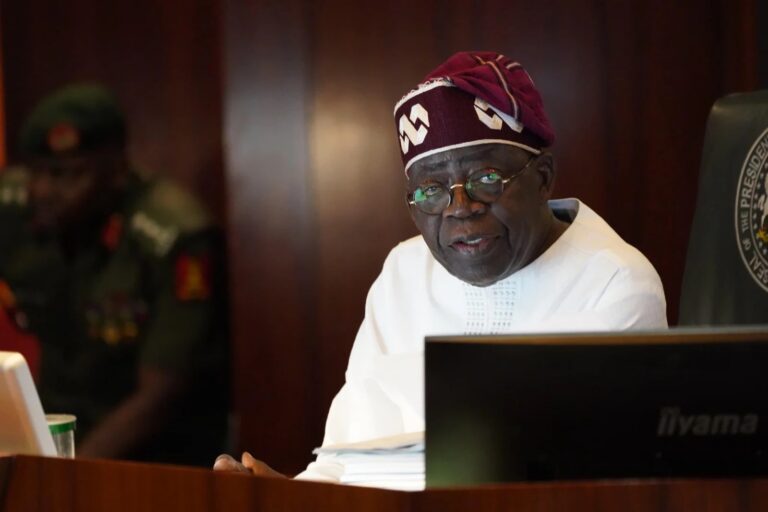
The event, which attracted 107 participants, including public relations practitioners, marketers, journalists, academics and students, followed a recent warning by the Advertising Regulatory Council of Nigeria (ARCON) over a fraudulent AI-generated Facebook advertisement that allegedly used the likenesses of President Bola Tinubu, Minister of Finance Taiwo Oyedele and industrialist Aliko Dangote to promote a fake investment scheme.
The development, according to the speakers, illustrated how easily synthetic content could exploit the identities and reputations of prominent individuals and institutions to mislead unsuspecting members of the public.
Delivering the keynote address, Data and Tech Innovation Specialist, Adenike Aloba, said although artificial intelligence had fundamentally altered the environment in which organisations operated, the principles of effective reputation management remained largely unchanged.
“AI has changed the conditions in which reputation is managed more than it has changed the fundamentals of reputation management,” she said.
Aloba identified three major areas requiring corporate attention: external threats from individuals deploying AI maliciously, internal risks arising from organisations’ adoption of the technology and the need to deploy AI strategically without surrendering human judgment and oversight.
She cautioned against responding impulsively whenever manipulated content surfaced, explaining that organisations must first establish the reach, credibility and potential consequences of misinformation before determining an appropriate response.
“Speed does not mean panic,” she said, urging corporate communication teams to develop procedures for assessing threats, verifying information and coordinating responses across relevant departments.
Citing the case of Air Canada, which was held liable after its AI-powered chatbot provided misleading information to a passenger about bereavement fares, Aloba warned that companies could face serious consequences when technology was deployed without adequate supervision.
She argued that communication professionals should participate in decisions about AI adoption from the planning stage rather than being invited only after reputational damage had occurred.
According to her, corporate communicators must be involved “at conception, not at crisis,” adding: “You cannot outsource your brand strategy to AI.”
Also speaking, a faculty member at Olabisi Onabanjo University and Chairman of the Training and Professional Development Committee of the Nigerian Institute of Public Relations (NIPR), Dr Oludare Ogunyombo, raised concerns about the reliability of AI detection systems.
He recalled an instance in which an academic paper that recorded a five per cent plagiarism score on an institutional checking system was subsequently classified as 90 per cent AI-generated by another detection tool.
Ogunyombo said the conflicting results demonstrated the limitations of existing detection technologies and the dangers of relying exclusively on automated systems to determine the authenticity or origin of content.
General Secretary of the NIPR Lagos Chapter, Samuel Adeyemi, described AI-generated content as “the new normal,” but expressed concern that many communication professionals remained inadequately prepared for the challenges accompanying its widespread adoption.
He highlighted ongoing AI training initiatives by the institute and urged practitioners to become more involved in corporate decision-making, particularly where emerging technologies could affect organisational credibility.
Adeyemi challenged communication professionals to stop complaining about their exclusion from management decisions and instead “take our seats where decisions are being taken.”
Divisional Director at Marketing Edge, Anietie Udoh, similarly warned practitioners against treating AI as a substitute for human creativity and professional judgment, stressing that the value of the technology depended on how responsibly and effectively it was deployed.
Providing an example of internal governance, Group Head of Marketing and Communications at CapitalSage Holdings, Ilabeshi Gabriel, disclosed that the company had established a dedicated AI committee and developed a Standard Operating Procedure (SOP) to regulate the adoption and use of artificial intelligence.
He explained that the arrangement required legal and information security teams to examine AI tools before they were introduced into the company’s operations.
“We will not say we won’t use it, but we need to know the limitations and guard against them,” Gabriel said.
The need for coordinated crisis responses was further demonstrated during a live simulation tagged “The Deepfake Drill,” in which panellists were presented with a hypothetical crisis involving a fictional financial institution, Harmattan Bank.
In the scenario, a manipulated video falsely portrayed the bank’s Managing Director as announcing a N20,000 daily withdrawal limit, attracting 1,200 reposts within 20 minutes.
The panellists were required to explain how an organisation should respond to such a development before the misinformation triggered widespread panic or damaged public confidence.
Aloba recommended an immediate assessment of the threat, the deployment of a verified spokesperson across official communication channels, appropriate legal measures and direct engagement with critical stakeholders.
Adeyemi cautioned that legal action must be carefully managed to avoid creating the impression that an organisation was intimidating members of the public who might have unknowingly circulated false information.
Gabriel emphasised the importance of promptly debunking fabricated content and sustaining communication with customers, investors and other stakeholders beyond the initial crisis.
He recommended a stakeholder reassurance campaign lasting between 30 and 90 days, explaining that rebuilding confidence required consistent communication and demonstrable action.
“Trust is not a feeling; it’s a process,” he said.
Pioneer Head of Public Relations at MTN Nigeria and Chief Executive Officer of Xlr8 Limited, Calixthus Okoruwa, described artificial intelligence as an additional reputational risk that organisations must incorporate into existing crisis management systems.
He maintained that companies with established records of transparency, responsible conduct and credible communication were better positioned to withstand misinformation attacks because the public would be less inclined to believe allegations inconsistent with their reputation.
Okoruwa stressed that a strong corporate reputation, built over time through consistent performance and responsible engagement, remained one of the most effective safeguards against fabricated information.
The panel moderator, Bemigho Awala, said the discussions demonstrated that managing the threats posed by synthetic media required more than technological solutions, emphasising the importance of governance, leadership, professional ethics and organisational preparedness.
“The question is no longer whether organisations will encounter synthetic media, but how prepared they will be,” Awala said.
The webinar was organised by MSc Media and Communication students of Pan-Atlantic University as part of the institution’s Project-Based Internship Programme for the 2025–2026 academic session.