Follow Us on Google

By Damiete Braide
Experts in human rights, education, healthcare and autism care have called for an end to discrimination against children with autism and other neurodevelopmental conditions, urging government, schools, parents and law enforcement agencies to embrace inclusion and appropriate support.
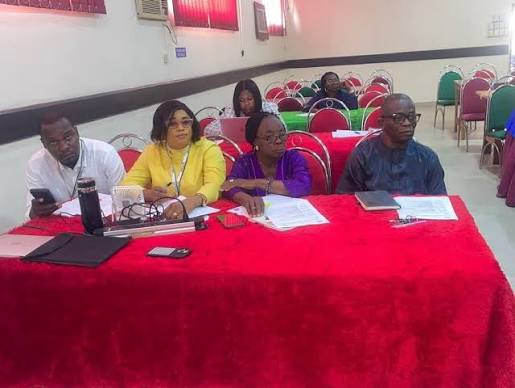
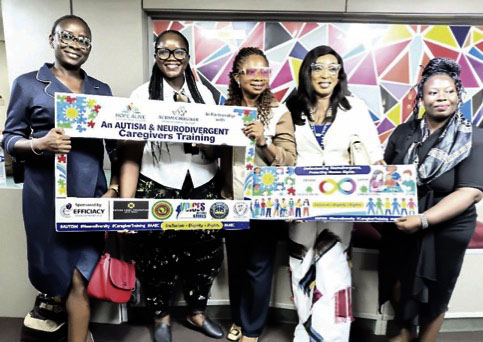
They made the call at a hybrid Autism and Neurodivergent Caregiver Training organised by Hope Alive Educational Centre, in partnership with the Autism Caregiver Training Institute at the Lagos Chamber of Commerce and Industry Conference Centre, Ikeja, Lagos.
The programme attracted about 30 participants physically and virtually. It was organised under the theme “From Awareness to Action,” to deepen public understanding of autism and equip caregivers with practical knowledge.
Founder of Hope Alive Educational Centre and human rights lawyer, Adeyinka Titilayo Adeyefa, said the initiative was inspired partly by a disturbing video showing police officers allegedly brutalising a young man living with autism and Down syndrome because they did not understand his behaviour.
She said the incident highlighted the consequences of widespread ignorance about neurodevelopmental conditions and the need to educate professionals who interact with vulnerable individuals.
Adeyefa explained that behaviours such as pacing, repetitive hand movements and unusual responses to instructions could be associated with autism rather than deliberate disobedience.
She expressed concern that some mainstream schools still reject children with developmental differences, while specialised institutions remain financially inaccessible to many families.
She called on government to make diagnostic services more affordable, strengthen inclusive education policies and train teachers and healthcare professionals to support children with neurodevelopmental conditions.
Professional caregiver, Mayowa Adeeyo, challenged misconceptions surrounding autism, describing it as a neurodevelopmental condition rather than an infectious disease, spiritual affliction or consequence of parental failure.
“Autism is not contagious, not due to vaccines, not due to parental background, and it is not spiritual or a curse,” she said.
Adeeyo urged parents to monitor their children’s developmental milestones, particularly communication, social interaction and repetitive behavioural patterns. She identified delayed speech and differences in responding when called as possible indicators requiring professional assessment, cautioning against drawing conclusions without consulting qualified professionals.
She also raised concerns about the shortage of trained caregivers, warning that inadequate professional capacity could undermine support for children with additional needs.
Other News
Autism educator Basudha Modak, who participated virtually, urged parents and teachers not to judge children’s intelligence by how quickly they respond to questions or instructions.
She explained that some autistic children require additional time to process information and communicate their thoughts, urging caregivers to exercise patience and create supportive learning environments.
Educator Barbara Lebo called for increased investment in teacher training dedicated funding for inclusive education and the establishment of additional autism support centres.
On the legal implications of discrimination, legal practitioner Tessy Osakwe reminded participants that the dignity of every Nigerian was protected under Section 34 of the 1999 Constitution.
She also referenced the Discrimination Against Persons with Disabilities (Prohibition) Act, warning against physical abuse, humiliation and bullying of children because of their developmental characteristics.
Osakwe stressed that inclusion should not be treated merely as charity but as a fundamental human rights obligation.
Contributing, speech therapist Goodness Udeokolo encouraged parents to appreciate their children’s individuality and seek professional assessment before commencing treatment or therapy.
She urged families to explore appropriate communication strategies, speech therapy and other evidence-based support services.
“Value them, find the best strategy to deal with them; be proud of them; don’t bully them,” she said.
The organisers said the training formed part of a month-long awareness campaign by Hope Alive Educational Center, which advocates for the rights of children, women, older persons, persons with disabilities and other vulnerable groups.
They stressed that meaningful inclusion required sustained collaboration among families, schools, government institutions, healthcare providers, law enforcement agencies and civil society organisations.
The experts urged Nigerians to move beyond occasional awareness campaigns and embrace practical measures to improve access to education, healthcare, professional care and legal protection, insisting that children with autism need understanding, acceptance and opportunities to develop their potential.