Follow Us on Google
From Ndubuisi Orji, Abuja
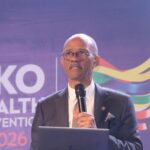
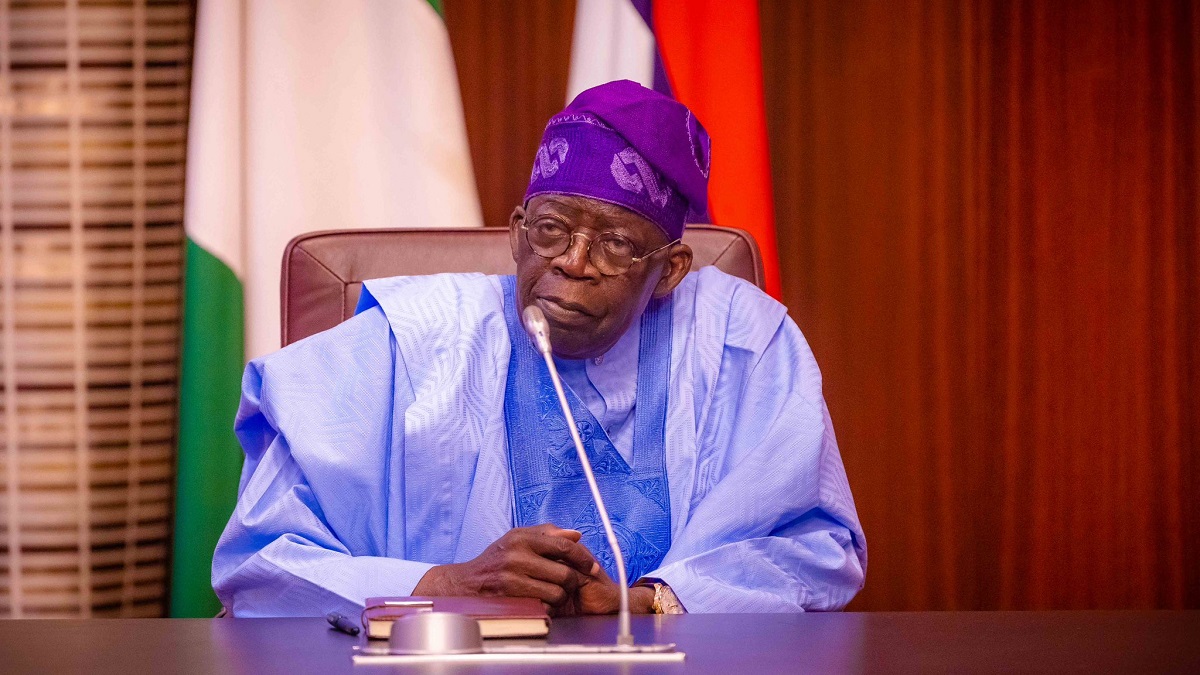
Director of the Abuja School of Social and Political Thought, Dr Sam Amadi, has accused President Bola Tinubu of allegedly an “exclusionary” politics and ruling “with the tiniest minority of any president. “
Amadi, who stated this, in a keynote address at a workshop organised by the Political Commission of the Nigeria Labour Congress ( NLC) for leaders of political thought, said it would be disastrous for the country if the alleged maladministration and mismanagement of the country’s resources continues in the next three years.
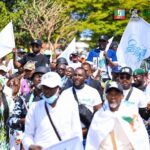
He noted that the country is “terminally” ill,, noting that the danger Nigeria is in was obvious during the last “end bad governance”, where northern youths marched in Kano, Kaduna and other states without fear of their lives.
Consequently, Amadi noted that ” There is an extreme urgency to get Nigeria out of intensive care unit and into a general hospital ward where recovery, revival and regeneration can commence.
“The country is terminally sick. The only difference between Nigeria and a person in intensive care is that Nigeria is presently not receiving any care.”
The academic, while calling for electoral reform and “real and radical party restructuring, ” decried the ideology among the existing political parties. He noted that though the country’s “first republic ended in a civil war and the second republic ended with military coups, the quality of democracy in those periods are far better than today.”
Furthermore, Amadi, while using the Labour Party, as a basis for his analysis, stated that the opposition party has the opportunity to reform itself and rescue the country from her present problems.
According to him, “we don’t have the luxury of well-managed parties anymore. Politicians proudly talk about parties as mere SPVs, vehicles to get to power and either discard or mismanage. “
On his part, the acting chairman of the Political Commission Professor Theo Ndubuaku, blamed the country’s developmental challenges to broken politics.
Ndubuaku said “as a Political Commission, we are committed to changing the narrative not by mere polemics or sloganeering but by active engagement with the political process.
“In this regard, we are conscious of the paramount role of knowledge as an enabler of effective political thought and action.”