Follow Us on Google
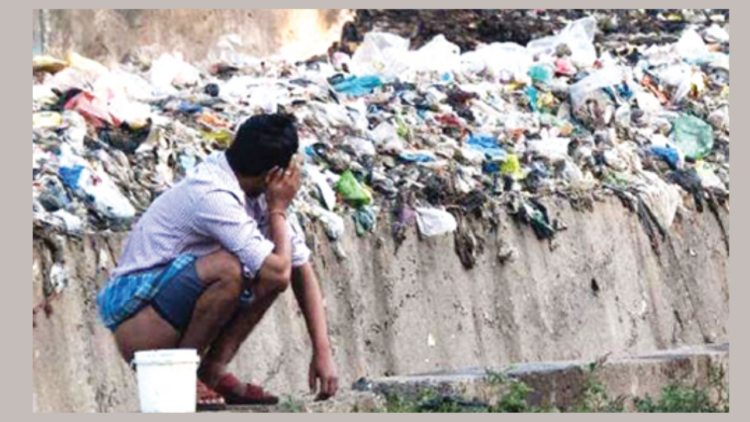
The United Nations Children’s Fund (UNICEF) has disclosed that Nigeria will build about 3.9 million toilets annually to meet the 2025 national and 2030 global targets for ending open defecation. The agency’s Chief of Water Sanitation and Hygiene (WASH), Dr. Jane Baves, stated this recently at a two-day Maiden Toilet Business Owners Conference in Abuja. Currently, Nigeria builds between 180,000-200,000 toilets annually. Unfortunately, this figure is grossly inadequate in a country with over 200 million people.
According to the 2021 WASH National Outcome Routine Mapping on Nigeria’s sanitation status, about 48 million people practise open defecation, while 95 million had no access to basic sanitation services. It also revealed that about 1.3 per cent of GDP or N455 billion is lost annually due to poor access to sanitation–health, health care savings and productivity. The report further says that every dollar invested in water and sanitation results in economic benefits ranging from $3 to $34. Open defecation is practised in all the 36 states and the Federal Capital Territory, Abuja but Kwara and Plateau were categorised as having the highest population of people who practised open defecation in 2021. They were followed by Ebonyi and Kogi states.
Globally, between 2000 and 2022, the number of people practising open defecation reduced by more than two-thirds. However, in 2022, there were still 36 countries with open defecation rates between 5 per cent and 25 per cent. In 13 countries, more than one in four people still practise open defecation.
According to the World Health Organisation (WHO), 54 per cent of the global population or 4.2 billion people used a safely managed sanitation service. At the same time, over 1.7 billion people still do not basic sanitation services, such as private toilets or latrines. Out of these, 494 million people still defecate in the open, for example in street gutters, behind bushes or into open bodies of water.
In 2020, 45 per cent of the household wastewater generated globally was discharged without safe treatment. In all, at least 10 per cent of the world’s population is thought to consume food irrigated by waste water. It has also been established that poor sanitation reduces human well-being, social and economic development.
Experts opine that poor sanitation is linked to the transmission of diarrhoeal diseases such as cholera, as well as typhoid, intestinal worm infections and polio. They also say that it increases stunting and contributes so much to the spread of antimicrobial resistance. It has also been reported that over 829,000 people in low and middle income countries die as a result of inadequate water, sanitation, and hygiene each year, representing 60 per cent of total diarrhoeal deaths. Poor sanitation is also believed to be the main cause in some 432 of these deaths and is a major factor in several neglected tropical diseases. These include intestinal worms, schistosomiasis and trachoma. It can also contribute to malnutrition.
It is sad that open defecation is pervasive in Nigeria. Even big cities such as Lagos, Kano, Abuja and others witness the ugly phenomenon. To eliminate open defecation by 2025 target, Nigeria must invest so much money in constructing more toilets and latrines across the country. Since the government cannot build 3.9 toilets annually for many years to close the wide gap in the provision of sanitation services, we urge the private sector to invest in this multi-billion naira business. Some of the benefits of improved sanitation include reduction in the spread of intestinal worms, schistosomiasis and trachoma. These are neglected tropical diseases that cause suffering for millions of people. Apart from reducing the severity and impact of malnutrition, it can promote dignity and boost safety among women and girls.
All tiers of government must be part of the crusade to eliminate open defecation in the country. The local governments should regard this as their project considering the fact that open defecation is practised more in the rural areas than in the urban centres, which have more sanitation services. That is seemingly why Dr. Didi Walson-Jack, the Permanent Secretary, Ministry of Water Resources, has enjoined the Toilet Business Owners (TBOs) to complement government’s effort towards achieving the goal of ending open defecation in Nigeria. The business, she says, is capable of huge returns in investment. The Bola Tinubu administration should regard this as a priority project.