Follow Us on Google
This is the concluding part of this article on the need for a Federal Ministry of Maintenance in Nigeria. In this final installment, the conversation moves beyond identifying the problem to exploring practical solutions and the kind of leadership, planning and long-term thinking needed to build a culture of maintenance that will protect our infrastructure, our environment and our future.
One of the greatest causes of infrastructure failure in Nigeria is poor storm water management. Time and again, we build roads across valleys, wetlands and floodprone areas without giving enough thought to where the water will go when the heavens open. The result is almost predictable. Heavy rains come, water becomes trapped, the soil beneath the road begins to weaken, foundations gradually give way, and before long, another road has failed. We blame the rain, but the real failure often began long before the first drop fell.
This is where a Federal Ministry of Maintenance can make a real difference. Every project should begin with a proper understanding of the environment in which it is built. Roads that pass through low-lying areas should be complemented by welldesigned culverts, storm water drains, canals, retention ponds and detention basins.
These are not luxuries; they are essential parts of any infrastructure that is expected to last. Excess water should be safely collected and directed into rivers, reservoirs, wetlands or designated outfalls without causing erosion or flooding elsewhere. Good engineering does not fight nature. It understands it, respects it and works with it.
I often think back to a time many Nigerians still remember with nostalgia. Streams were alive. Wetlands flourished. Children spent their afternoons by the water, watching fish swim through crystal-clear streams, searching for crayfish beneath stones, or catching freshwater crabs hidden among reeds and grasses. Those waterways were more than channels that carried rainwater away. They were living ecosystems that supported both nature and the communities around them.
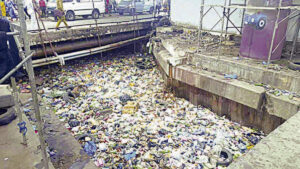
Sadly, many of those places have disappeared. Blocked drainage channels, indiscriminate refuse disposal, unchecked development and years of neglect have transformed thriving ecosystems into polluted waterways. Flooding has become more frequent, while the wildlife that once flourished has quietly disappeared. Yet this does not have to be our permanent reality. Properly maintained drainage systems, constructed wetlands and retention ponds can do more than control floods.
They can restore habitats, improve water quality and bring life back to places that have long been abandoned. Sometimes, protecting infrastructure also means protecting nature.
Maintenance in the twenty-first century must also embrace technology. We live in an age where problems can be identified long before they become disasters.
Geographic Information Systems (GIS), drones, satellite imagery, sensors and digital asset registers can help monitor roads, bridges, drainage systems and public buildings in real time. Instead of waiting for a bridge to collapse or a road to become impassable, we should be able to detect warning signs early and respond before lives and public funds are put at risk.
Technology should not belong to government alone. Citizens should also become active partners in protecting public infrastructure. Imagine a simple mobile application through which anyone can report a blocked drainage channel, a dangerous pothole, a failing bridge or a damaged public facility. A report made today could prevent a tragedy tomorrow. Maintenance should never be driven by emergencies alone; it should be guided by timely information, swift action and a shared sense of responsibility.
But even the best technology will achieve very little without the right leadership.
Creating another ministry, by itself, will not solve Nigeria’s problems. Institutions are only as effective as the people entrusted with them. A Federal Ministry of Maintenance must never become another political reward or an avenue for patronage. It should be led by men and women whose commitment is not to titles but to service.
A Minister of Maintenance should be a person of integrity, competence and
discipline; someone willing to leave the comfort of the office to inspect projects personally, enforce standards without fear or favor, hold contractors accountable and protect public investments as though they were personal possessions. Public infrastructure belongs to every Nigerian, and it deserves guardians who understand the weight of that responsibility.
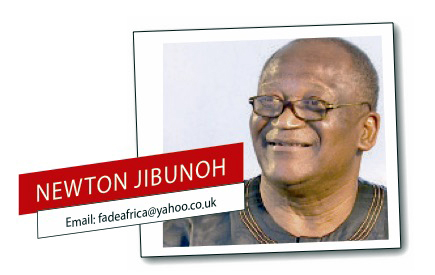
The truth is that this idea is not entirely new. Long before this conversation gained renewed attention, renowned environmentalist Chief Newton Jibunoh had consistently advocated for the establishment of a Federal Ministry of Maintenance.
He believed that Nigeria could not continue celebrating the construction of new roads, cities, industries and public facilities while allowing existing ones to deteriorate through neglect. His argument was simple but profound: a nation that cannot preserve what it has built will always struggle to sustain development.
This article builds on that vision. The ministry I imagine would be more than a department that fixes broken roads. It would be an institution responsible for maintenance, asset management, environmental stewardship, infrastructure monitoring, planning, accountability and long-term sustainability. It would help cultivate a culture where preserving public assets becomes as important as creating them.
Every abandoned road tells a story. Every blocked drainage channel, every collapsed bridge and every neglected public building speaks of opportunities lost and resources wasted. They remind us that the problem is not always a lack of money or ideas.
More often than not, it is a failure to care for what we already have.
Nigeria has never lacked ambition. We dream big, we build big and we celebrate big. But somewhere along the line, we forget that the true measure of development is not what we commission today; it is what standing decades from now remains.
Establishing a Federal Ministry of Maintenance would be about far more than creating another government institution. It would signal a change in national thinking. It would say that public assets are not disposable, that taxpayers’ money deserves protection, and that development does not end when the ribbon is cut. It begins there.
If we truly want to build a prosperous and resilient nation, then we must learn to value maintenance as much as construction. We must replace a culture of neglect with a culture of stewardship, accountability and foresight. For in the end, the nations that endure are not merely those that build the most, but those that faithfully preserve what they have built for generations yet to come.